Finding the Right Expert Witness for Your Case
Article overview: This article explains Finding the Right Expert Witness for Your Case and the scientific, legal or practical evidence readers should understand.
How to select the right expert witness
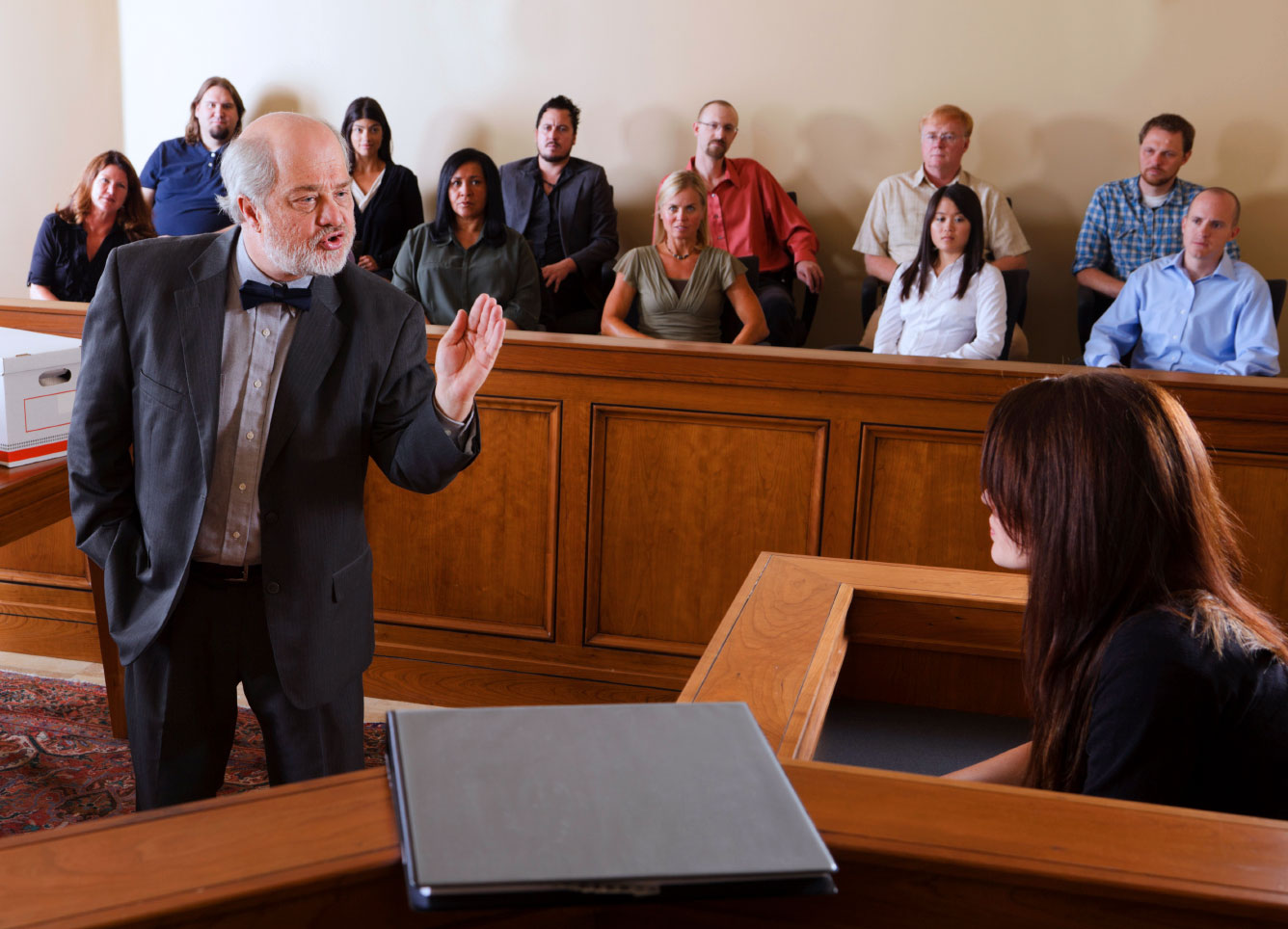
Qualified, Credible and Confident: Selecting an Expert Witness An expert witness can make or break a case. They are called in to testify on complicated subjects – usually scientific or technical – and must be able to make their specialist knowledge accessible to the court. But it’s not just the facts that are important. So what should you look for when selecting one such person for your case? What Kind of Expert Do You Need? There are many types of expert witnesses. Do you need an expert to consult but not testify, or do you require them to take the stand and argue their interpretation of the evidence? Sometimes your case may call for someone who will need to educate the court about an important theory or concept, and sometimes they may be required to testify that the tests they carried out are sound and impartial. When making your selection, think about these three broad categories: academics, practitioners, and professional expert witnesses. Academics may have industry experience, but are often called in for more theoretical or analytical topics, like statistics or psychoanalysis. A practitioner, on the other hand, has gained their expertise by working in the field. They may have qualifications but the clout of their argument is based on many years of industry experience – such as an independent auditor or skilled technician, for example. Lastly, a professional expert witness is someone who has made a career by applying his or her knowledge specifically to legal proceedings. They may work independently, or for a consulting firm. Not only are they qualified as an expert, but they also have litigation experience, which may prove vital. What you need from your expert in court determines the kind of expert you should hire. What is Their Expertise? Pay attention to their qualifications: where did they study, what kind of postgraduate work have they done, and what have they published? This is especially important with academic witnesses. With publications, look for peer-reviewed journals and credible conference proceedings. In the case of a forensic toxicologist in particular, look at the combination of subjects they’ve completed and any research they’ve done. Are they an expert in pharmacology, biochemistry, environmental sciences or medicine, for example? Are They Credible, Experienced and Trustworthy? Their qualifications tell you something about their credibility, but you may want to dig deeper. Your attorney should vet any candidates before calling them to consult or testify. Have they published any academic papers, articles or blog posts that would contradict their testimony, or make them appear an unreliable source of knowledge? This is where a professional expert witness may be more suited to the task, as their career relies on dependability, professionalism and a trustworthy track record. You may also want to check that the person you choose does not have a conflict of interest. For instance, have they ever testified for, or been retained by, the opposition? You need to make sure this is not an issue before you reveal any important information regarding your case. How Do They Present Themselves? Once you have selected an expert witness (or a few potential candidates for the job), you should conduct a face-to-face meeting. Do they appear professional and well presented? Are they confident and earnest? These kind of emotive judgments may seem less important, but think about how the expert will be perceived by the judge and jury if called upon to testify. Your chosen specialist needn’t be suave, but they should be able to think on their feet, and present their profession with respectability. The interview is also a good time to make sure that they are available for any necessary court dates, and to discuss their rates.Authoritative sources and further reading
- California Evidence Code section 720: expert qualifications
- U.S. Courts: current Federal Rules of Evidence
- Ninth Circuit jury instruction on expert-opinion testimony
Related reading: For related context, read Debunking the Top Forensic Toxicology Myths, Workplace Drug Testing in California, When Do I Need a Forensic Toxicologist?. Browse the Forensic Toxicology topic hub.