Article overview: This article explains Duties of an Expert Witness and the scientific, legal or practical evidence readers should understand.
SEO structure updated July 24, 2026.
Putting the Expert in Expert Witness
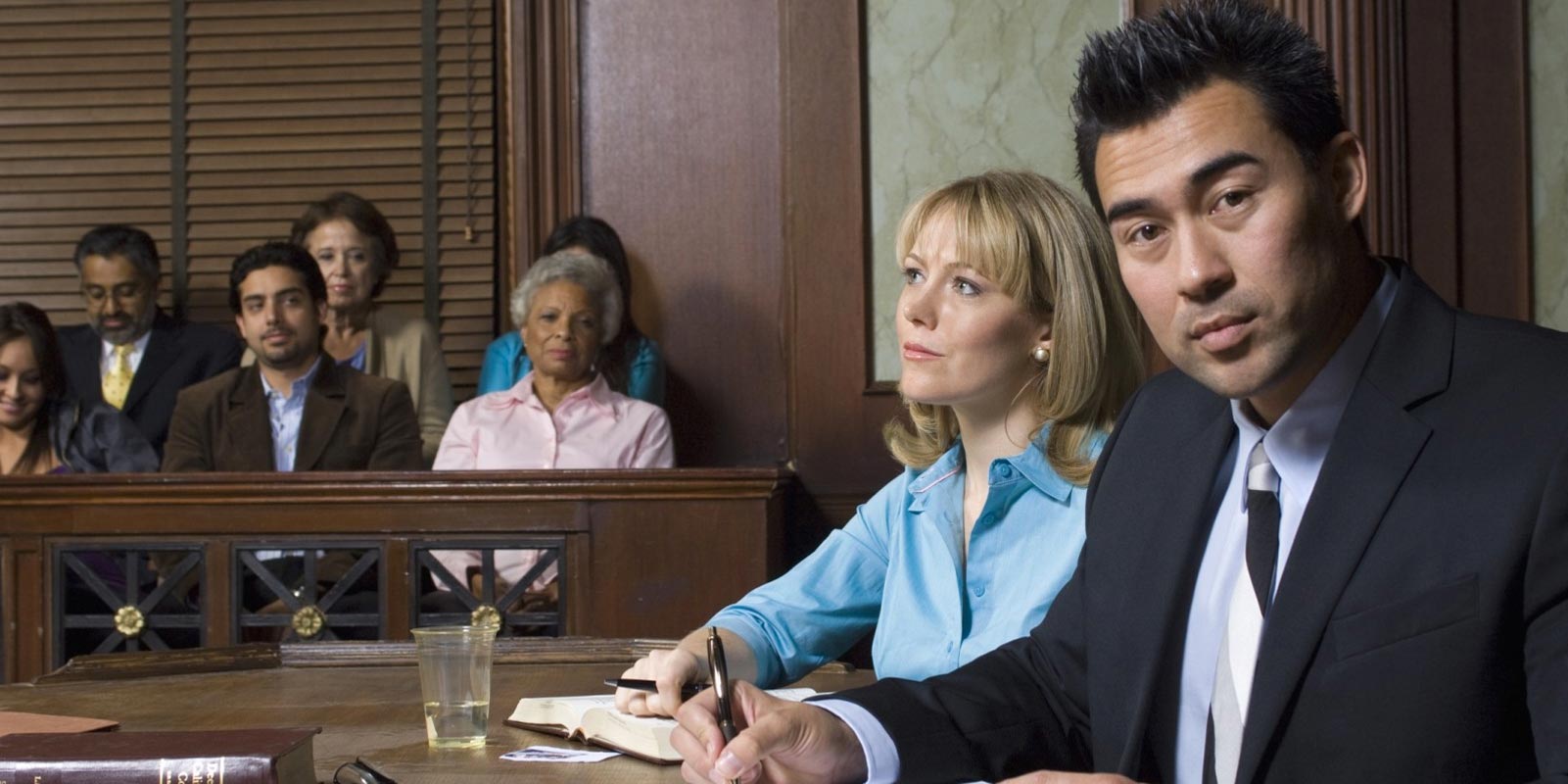
Despite what TV would have you believe, court cases are rarely won by lawyers alone. The truth is a good expert witness can make all the difference when it comes to final judgments – especially when one considers that the facts of a case are seldom black and white. But most people are unaware when it comes to the actual details of an expert witness testimony. Who gets to be an expert witness? What are the expectations or requirements when proffering evidence on the stand? How can an expert witness be objective and still support the client they’re speaking for?
What Does the Law Say?
Compared to countries like the United Kingdom or Australia where strict laws are placed foremost on keeping expert witnesses impartial, US legislation has maintained comparatively lax standards when it comes to partisan testimony. Rule 702 of the Federal Rules of Evidence sets out the law for what is and is not admissible during court litigation. Specifically aimed at testimony, it sets out four requirements that have to be met in order for an expert witness to take the stand:
- The expert’s professional or scientific knowledge must be helpful in interpreting the evidence being used to try the facts at hand.
- The evidence offered by the expert witness must be sufficiently grounded in fact.
- The evidence is based on reliable principles widely accepted by the relevant professional community.
- The expert witness has applied these principles satisfactorily to the facts at hand.
These four elements therefore set the backdrop for what is judicially acceptable as admissible professional evidence. You can see that expert witnesses in US courts have no comparative federal statutory enforcement when it comes to impartiality. The above restrictions are essentially in place to ensure that testimony is grounded in relevant and accepted facts and offered by an appropriate professional.
Ethics and Experts
This does not however mean that expert witnesses are free to testify however they like. The issue comes in with the fact that these witnesses are subject to monetary compensation for their efforts – compensation that could potentially motivate unethical or, worst case, fraudulent testimony. If this were the case the American judiciary would be forced to rely on a system of academic and professional ‘mercenaries’ for hire. Public policy and professional associations therefore hold the expectation (often explicitly) that members who are hired to provide evidence must be assistants of the courts first and supporters of their clients second. To exemplify a distinction, an expert witness would be well within the law (and would obviously be expected) to provide a sound argument that falls in favor of a defendant’s plea or version of facts. But when testimony is proffered which knowingly and deliberately omits or contradicts certain facts or principles in favor of a defense it’s likely the judge will take steps to overturn the testimony, or worse.
Dutiful and True
The principle duty for expert witnesses is therefore to provide insightful, truthful and unbiased information which the judge or jury can use to reach a lawful and just verdict. It is the ambit of the lawyer to determine beforehand whether this testimony will be helpful or harmful to their client’s case. For this reason lawyers will typically consult with an expert witness beforehand to determine the above, and not invite a professional to provide evidence against their own client. Whilst not their primary function, it is still a recognized secondary objective not to testify to the detriment of their clients – so long as this does not conflict with the responsibility to remain factual and unbiased. Finally, expert witnesses must not misrepresent their own credentials. Fraudulent activities in this regard can lead to devastating consequences for both witnesses and their clients – to the extent that lawsuits have even been filed against the former as a result.
Expert witnesses, therefore, form a crucial aspect of the judiciary, and many times the judgment can and does come down to the impact of their evidence.
The expert’s core obligation
The expert’s duty is to method and evidence rather than the party who retained the witness. A defensible opinion states its assumptions, discloses important limitations and remains supportable when the opposing side tests it under cross-examination.
Continue with expert-witness duties and courtroom analysis.
Controlling rules and testimony standards
Related reading: For related context, read The Importance of an Expert Witness, What is Forensic Toxicology?, Different Types of Samples Used by a Forensic Toxicologist.