Commentary and legal developments involving Uber litigation and plaintiff-side practice.

Browse all blog topics and articles.

Category: Uber vs. Plaintiff Attorneys

Commentary on rideshare litigation, plaintiff representation, insurance disputes, and issues involving Uber and injured claimants.

Uber Technologies v. Wingate, Russotti, Shapiro, Moses & Halperin

This article explains Uber Technologies v. Wingate, Russotti, Shapiro, Moses & Halperin and the scientific, legal or practical considerations discussed in the source material.

Uber Technologies v. Law Group of South Florida: Case Filing
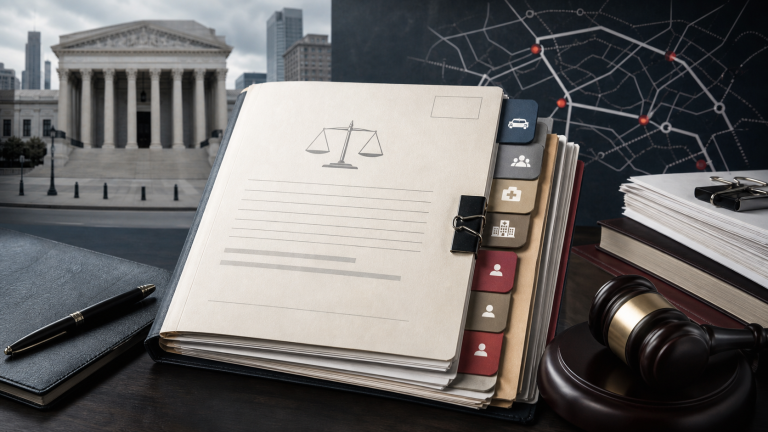
Read the complaint in Uber Technologies v. Law Group of South Florida and related defendants. The filing presents allegations, not adjudicated findings.

Uber Technologies v. Downtown LA Law Group

This article explains Uber Technologies v. Downtown LA Law Group and the scientific, legal or practical considerations discussed in the source material.


The National Black Lawyers

top 40 lawyers

civil trial law

Lawyers of Distinction

Loading...

Recent Blog Articles

Why Were Sixteen On-Road Cannabis Test Drives Stopped?

Safety-related test termination is part of the trial record and should not disappear behind a lane-weaving average. In Arkell and colleagues’ on-road crossover trial, 16 of 188 test drives, or 8.5%, were ended because of safety concerns. How was the study structured? Twenty-six healthy occasional cannabis users were randomized across…

Read Article: Why Were Sixteen On-Road Cannabis Test Drives Stopped?

When Does a Brain GHB Cutoff Become Unreliable After Death?

A proposed brain GHB cutoff is not reliable without considering decomposition. Thomsen and colleagues suggested 10 mg/kg as a tentative distinction between postmortem formation and prior intake, while identifying extensively decomposed bodies as an important exception. How was the proposal developed? The study analyzed frontal-lobe gray matter and femoral blood…

Read Article: When Does a Brain GHB Cutoff Become Unreliable After Death?

Did Twelve Hours Without Cannabis Make a Positive Urine Screen an Acute-Intoxication Test?

A positive urine cannabinoid screen in this study was a use-history criterion, not proof of acute intoxication during the driving test. The researchers separately required a 12-hour abstinence period and rescheduled participants reporting more recent use or appearing intoxicated. How were participants selected? Dahlgren and colleagues recruited 28 chronic, heavy…

Read Article: Did Twelve Hours Without Cannabis Make a Positive Urine Screen an Acute-Intoxication Test?