Workplace Drug Testing in California
Article overview: This article explains Workplace Drug Testing in California and the scientific, legal or practical evidence readers should understand.
SEO structure updated July 24, 2026.
What California employers should know about workplace drug testing
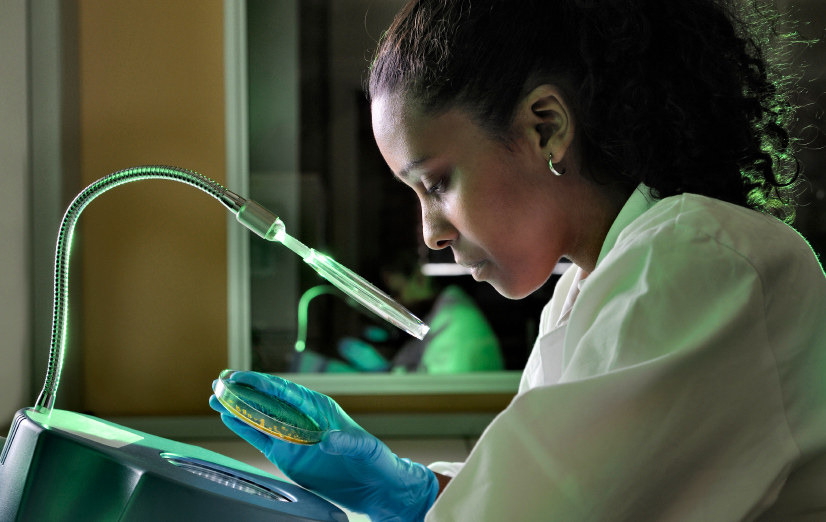
California, Forensic Toxicologists and the Workplace Drug testing in the workplace is a very controversial issue; it specifically challenges the right to privacy of employees in both private and public companies. In California in specific, citizens’ rights are respected and protected against unlawful testing but under certain circumstances, forensic toxicologists are called in to perform lawful drug tests. When is Drug Testing in the Workplace Lawful? Every case in California is considered individually, weighing up contributing factors, such as the nature of the drug test, the manner in which it is conducted, whether a professional forensic toxicologist will conduct the testing, the reliability of the test, and the reasons for testing, in each instance to give an accurate and fair ruling. Who does the testing? Forensic toxicologists are scientists who study and identify substances in the body. They collect and analyze different samples from the body and can detect and classify foreign or toxic substances as well as the quantity and duration of their consumption. What Substances Can Be Tested For and How? Toxicologists can analyze blood, urine, saliva, and hair samples and can detect a wide range of substances including alcohol, marijuana, heroin, and certain poisons. Types of Testing Although each instance is considered separately, there are a few instances we will explore, as they are the most commonly encountered. In every instance, the employer must pay for the toxicologist to take and process the sample. 1. Pre-employment Drug and Alcohol Testing This type of testing is done before the confirmation of employment – typically after the job offer but before the potential employee is placed on the payroll. This testing is only considered lawful if it is done in a non-discriminatory way, if done by a professional toxicologist or as part of a routine medical examination of all applicants, if results are confidential, and if the sample collection process is minimally invasive. 2. Drug Testing of Current Employees- Random Drug Testing Although the Supreme Court of California has not decided the appropriateness of random drug testing, it is generally considered to be an unlawful act. It is, however, allowed if the employee’s health or safety is in question i.e. if they have to man heavy machinery or if they are in a security-sensitive position i.e. their position may affect the public safety.
- “Reasonable Suspicion” Testing In this instance, the employer must have sufficient suspicion of drug use or alcohol consumption before or at work for testing to be lawful. This can include lack of concentration or orientation, strange behavior, or even the smell of alcohol on the person.
- ‘Post-Accident’ Drug Testing A toxicologist administers this test after an incident has already happened at work. This is considered lawful if done with sufficient suspicion that drugs or alcohol were involved.
Authoritative sources and further reading
- SAMHSA drug-free workplace program guidance
- SAMHSA workplace drug-testing resources and specimen guidance
- FDA overview of drugs-of-abuse tests
Related reading: For related context, read When Do I Need a Forensic Toxicologist?, Forensic Toxicology Drug Testing, Using an Expert Witness in a DUI Case. Browse the Forensic Toxicology topic hub.