Category: Forensic Toxicology
Toxicology Lawyer Talks Medical Marijuana in the Workplace
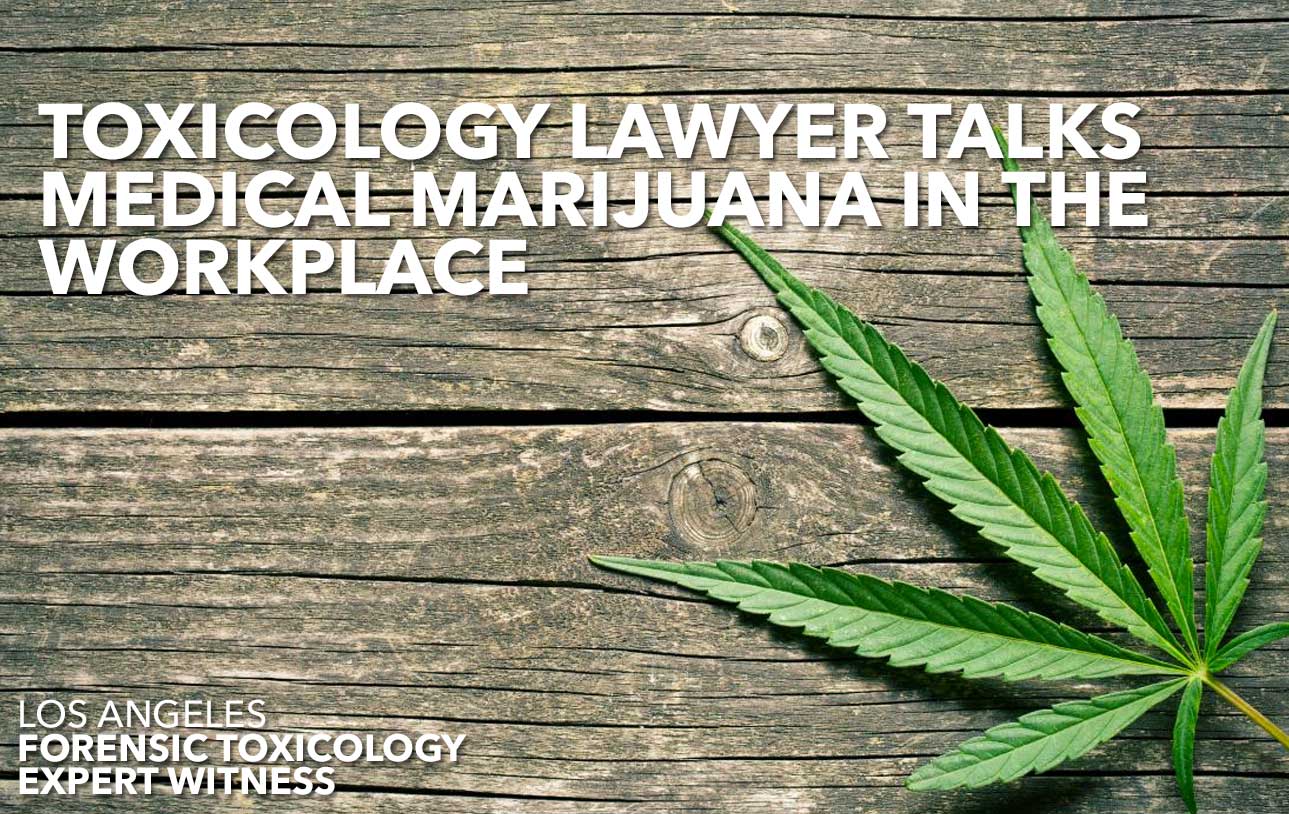
With the recent legalization of recreational marijuana and medical marijuana in a handful of states, a common question has been raised amongst employees and employers: in states where marijuana has been legalized should it be allowed in the workplace? The answer to this question is not cut and dry, there…
The Legal Viability Of Over-The-Counter Drug Testing Kits
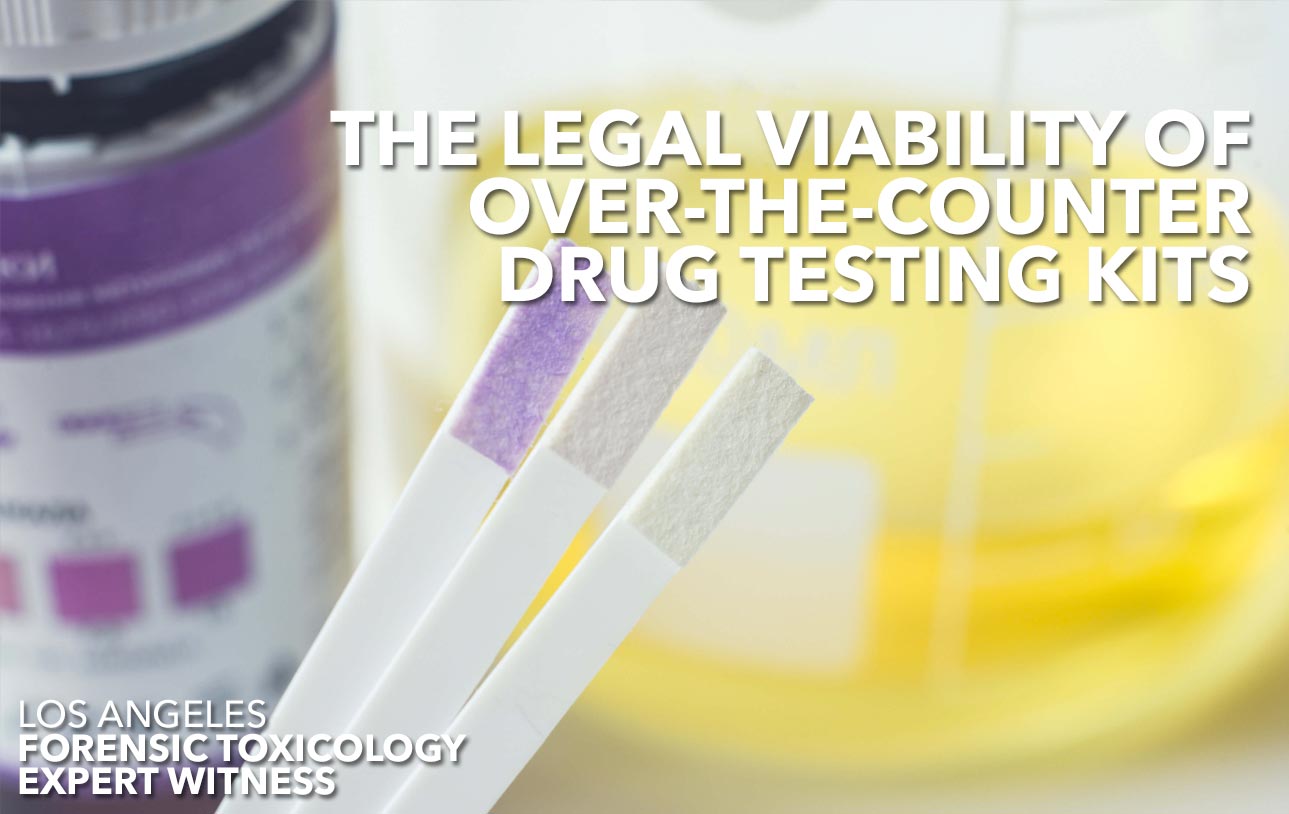
With the legalization of both medical and recreational marijuana, there have been many discussions around the viability of drug testing at home and in the work place. According to the laws that govern drug testing in the state of California, there are clear guidelines by which employees, employers and other…
The Steps A Forensic Toxicologist Takes For Alcohol Testing
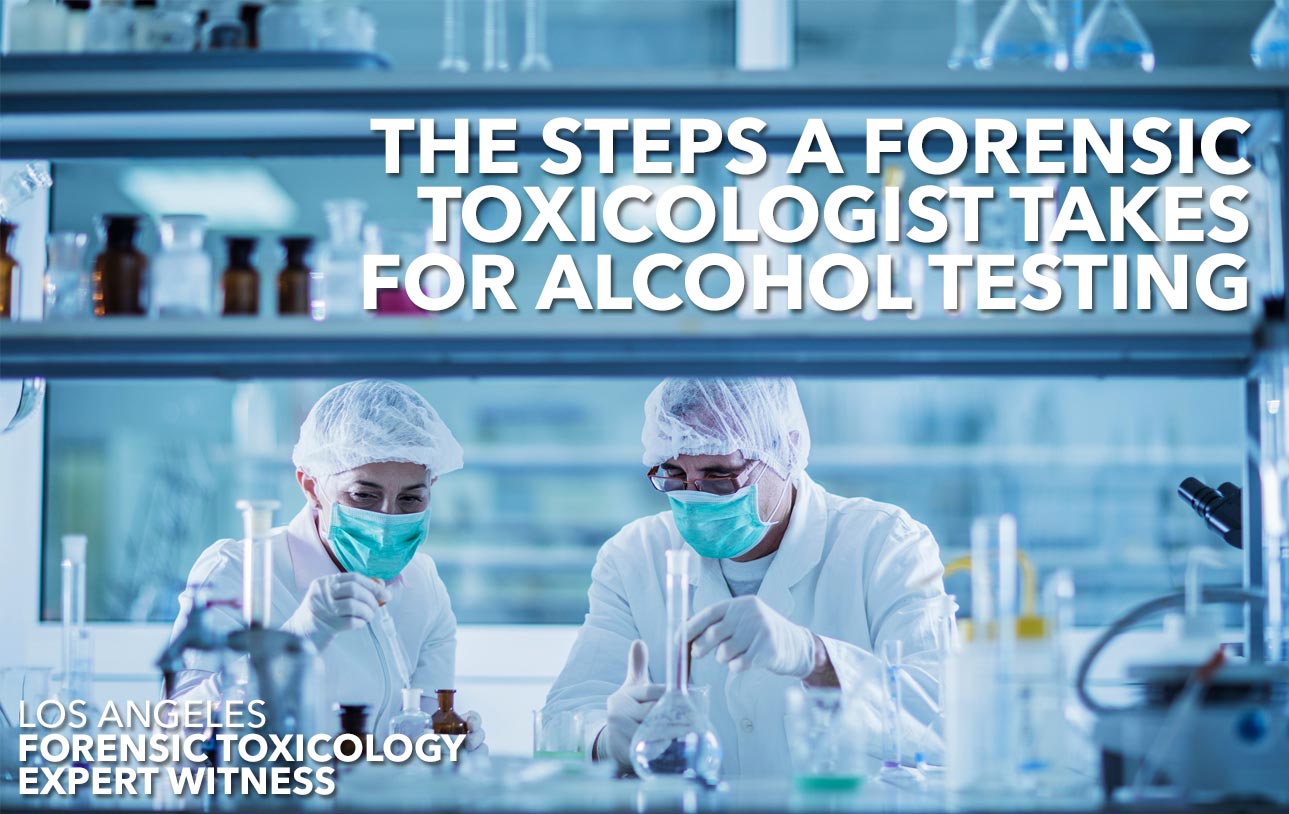
Before exploring the methods a forensic toxicologist uses to test for alcohol, it is important to understand what a forensic toxicologist is. Toxicology on its own is the study and identification of toxins and drugs in the human body and analyzing and quantifying the amounts of these substances. Forensics is…
The Reliability of Urine Testing
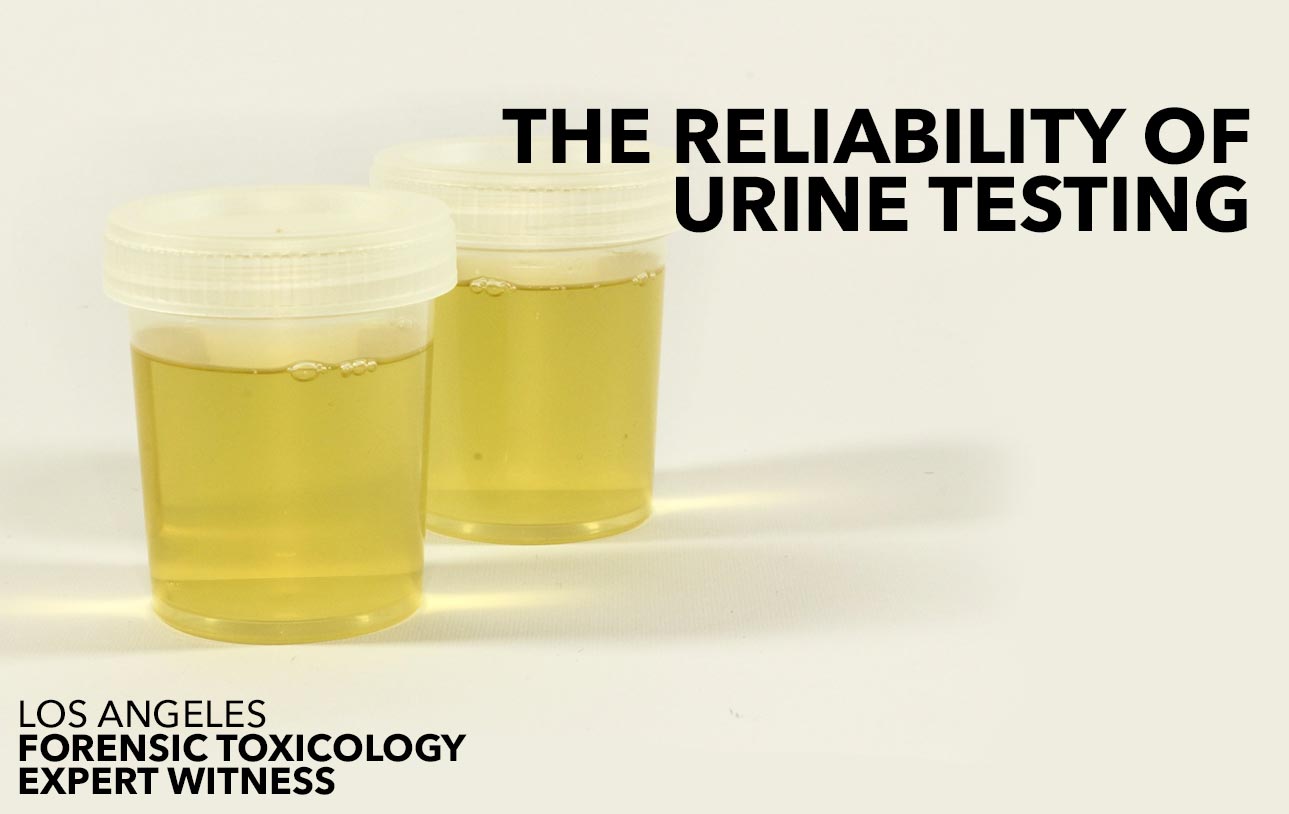
Many employers, schools, athletic associations and law enforcement agencies are conducting more frequent drug and alcohol testing. While there are many testing methods out there, the most commonly on-site drug test used is urine testing. Due to the nature of how urine testing is conducted and the manner in which…
The Legalities of Hospital Blood Testing
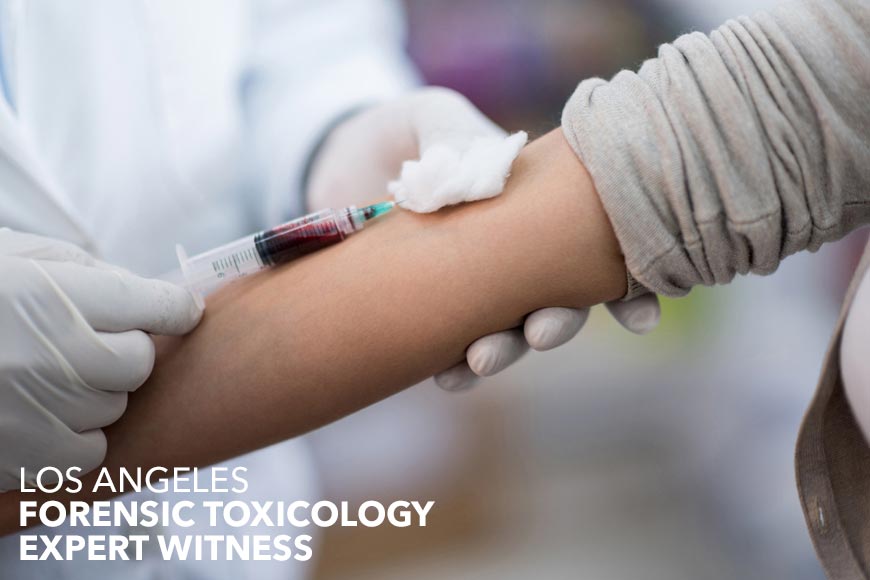
The legalities behind hospital blood testing have crept their way into the media several times. When a patient arrives at the hospital, there are certain conditions that need to be met in order for their blood to be tested. These conditions may vary from state to state. In many instances,…
Defining the Role of a Forensic Lawyer
Forensic lawyers are experts in both law and forensic science. The intersection of science and law has allowed for new tools and methodologies for discovering truth. Okorie Okorocha has served as an expert witness in over 280 trials. His role is to help juries understand complex, scientific concepts and to…
Narcopouch Tests – Drug Testing Made Easy
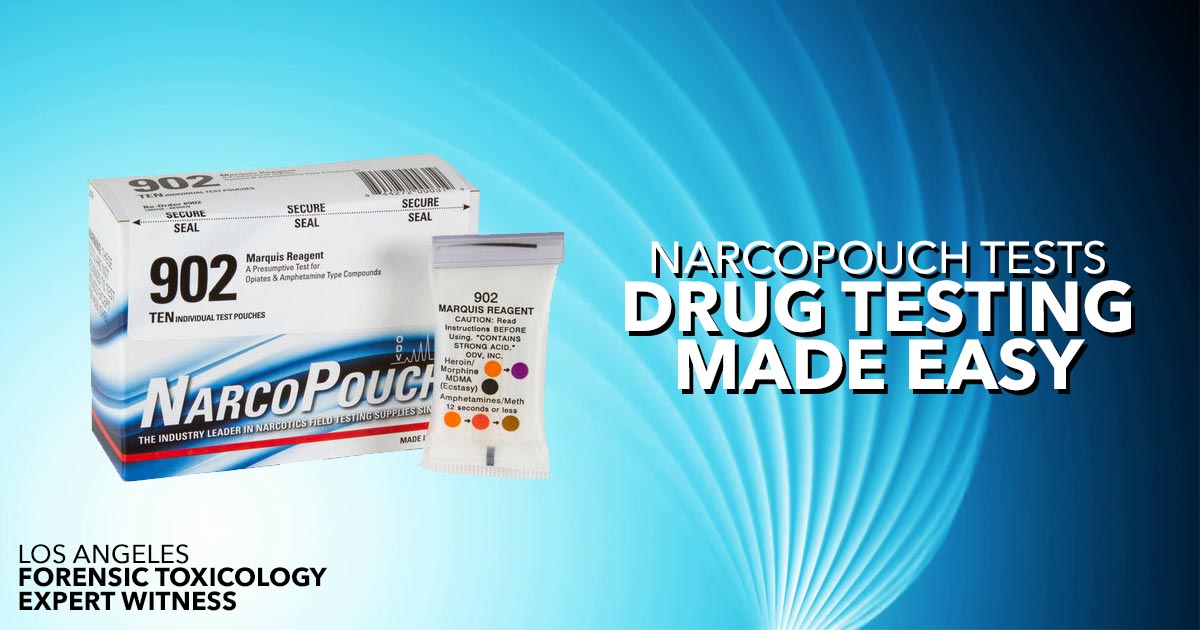
A narcopouch test is a presumptive test designed to identify illegal substances. After analysis, a presumptive test will tell you one of two things. It is definitely not a certain substance or the sample is probably the suspected substance. Similar to a portable chemistry lab, narcopouch tests are self-contained, providing…
The Pros and Cons of Sweat Patches For Drug Testing
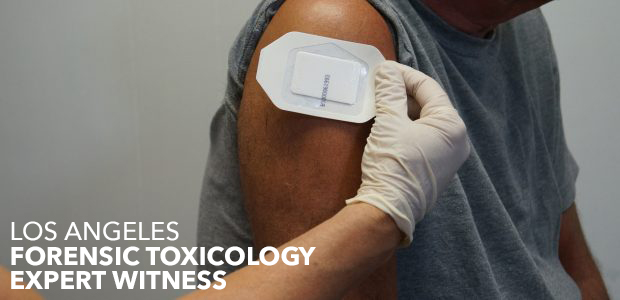
The use of sweat patches as a method of drug testing is a relatively new development in the field of forensic toxicology. Sweat patch drug testing is becoming increasingly popular among employers screening employees and job applicants for drug use, although sweat patches are typically used to monitor persons on…
Forensic Toxicology: The Accuracy of Drug and Driving Impairment Measures

Within the field of forensic toxicology, studies can be done on the effect of drug consumption on driving abilities, in order to measure impairment levels. The extent of scientific study on the relationship between drugs and driving impairment is increasing and vast, however, much more research needs to be done!…
What Causes a False Positive Drug Test Result
Drug screening results can really affect the lives and circumstances of those it involves. Accuracy in how these drug tests are carried out is of high importance as the results can have long lasting consequences for the individuals involved. False positive drug test results are a real possibility in today’s…
The Accuracy of Alcohol Testing
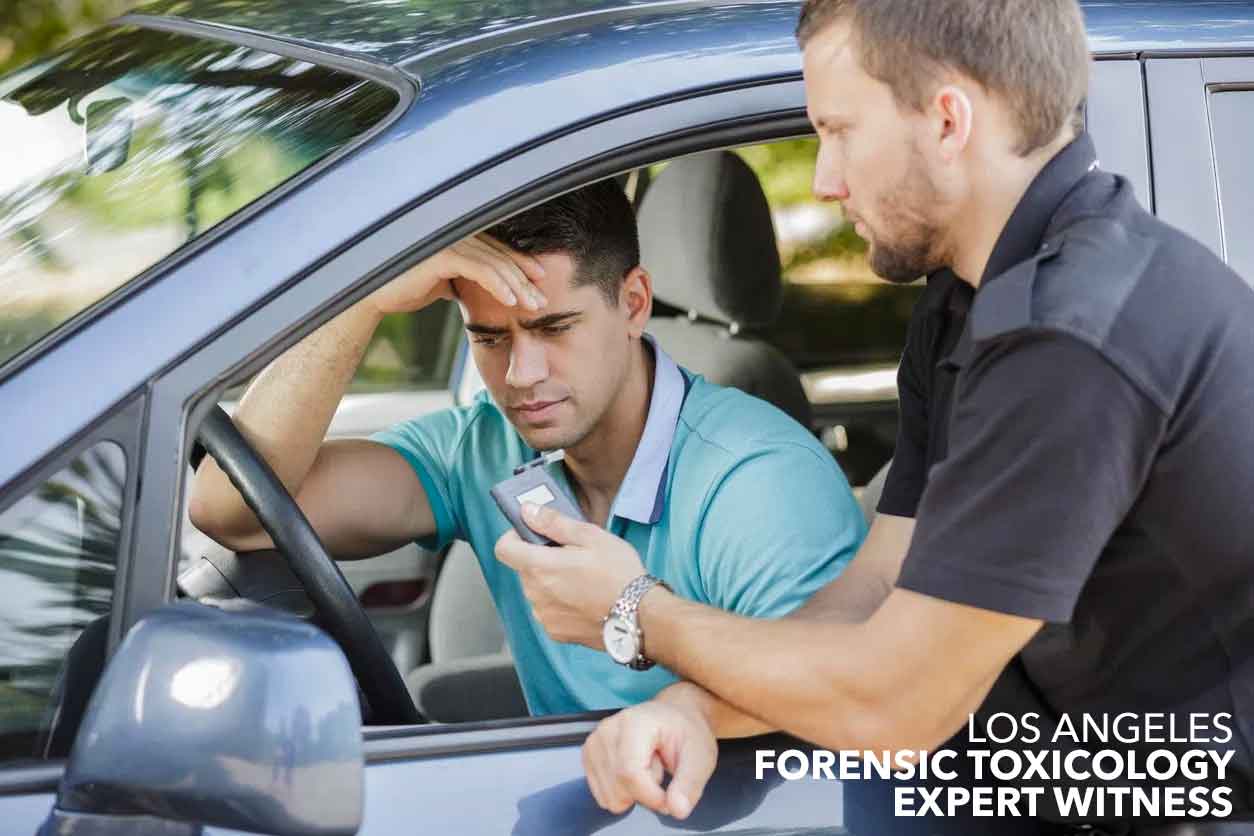
In the United States of America, a blood alcohol concentrate (BAC) of 0.08% or higher, is considered illegal if you are behind the wheel of a vehicle. Alcohol testing is used to determine if the BAC level is above the legal limits. Main Methods Of Alcohol Testing There are three…
Forensic Toxicology: How Drugs Affect Driving
In many criminal investigations it may be that analytical information is needed or testing required regarding the presence of substances at a crime scene or within a person’s body. This is the purpose of forensic toxicology: to test bodily fluids or other substances for toxic chemicals in order to obtain…