How Forensic Toxicologists Test for Alcohol
Article overview: This article explains How Forensic Toxicologists Test for Alcohol and the scientific, legal or practical evidence readers should understand.
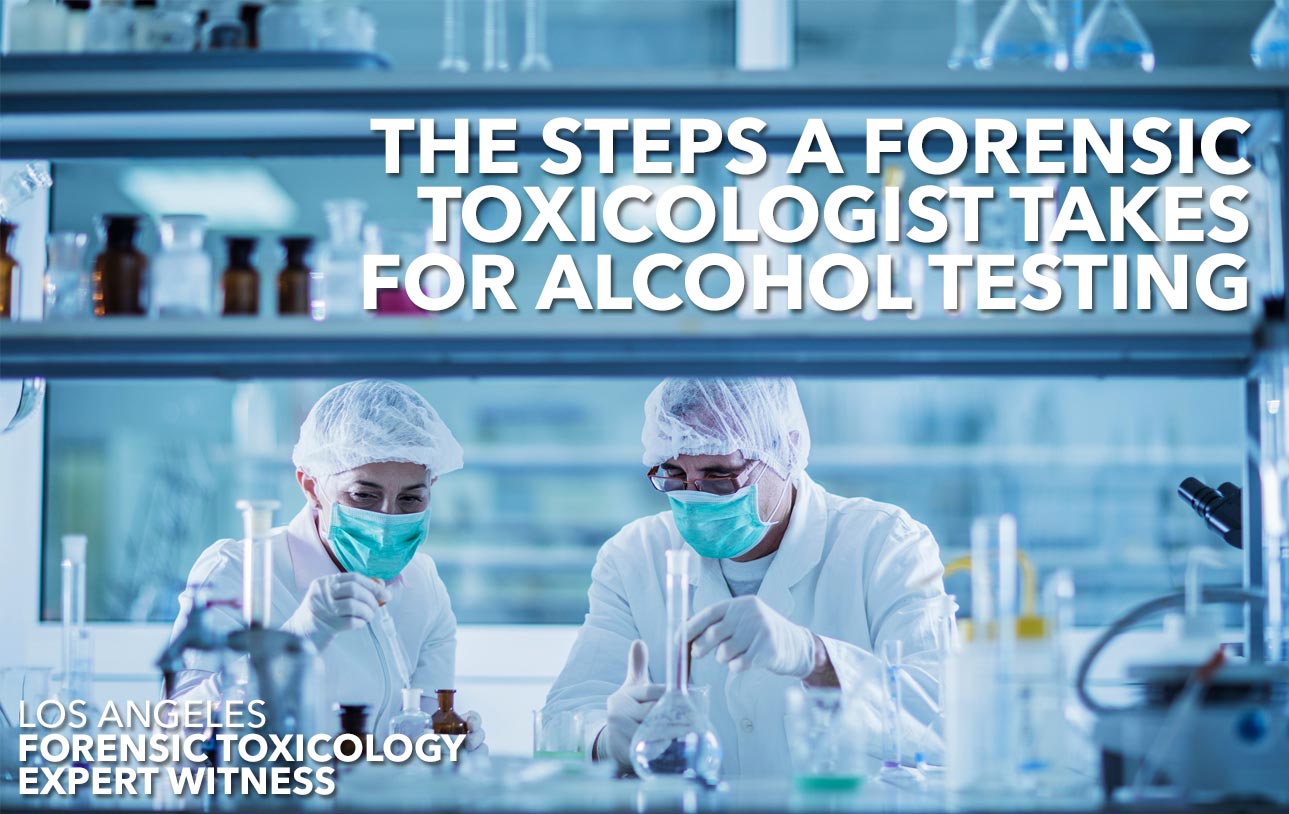
Before exploring the methods a forensic toxicologist uses to test for alcohol, it is important to understand what a forensic toxicologist is. Toxicology on its own is the study and identification of toxins and drugs in the human body and analyzing and quantifying the amounts of these substances. Forensics is the application of science in criminal and civil law in order to evaluate or detect evidence that may lead to the prosecution of a criminal. So, a forensic toxicologist is someone that determines the presence of toxins or drugs in order to identify a cause of an unnatural death. Forensic toxicologists are able to test for many different substances in the postmortem body however, each substance that could be tested for, requires its own unique process that is different from the rest. For example, some substances can only be found in the blood, and therefore, a sample of urine would be unbeneficial for the detection of this substance. For alcohol, the most effective sample that needs to be taken from the postmortem body is a blood sample. Alcohol is very readily absorbed from the stomach into the blood and can be detected. The amount of alcohol found in the blood is measured as a value called the blood alcohol concentration (BAC). The importance of forensic toxicology in measuring BAC’s is that there is a legal BAC limit when you are driving or performing certain services (such as operating machinery). Any amount above this level is considered a violation of the law and that person can be charged with a criminal offence. Additionally, it can be used to determine what state a person was in when they died in order to determine whether they died as a result of alcohol poisoning, accidental death due to high alcohol levels or another cause not related to alcohol consumption.A Forensic Toxicologist’s Alcohol Testing Process
Testing for alcohol is part of a process that is followed by forensic toxicologists:- A case history of the deceased patient is gathered This includes the age, sex, weight and relative medical history of the deceased. Autopsy findings should be included and the death interval.
- Samples are taken from the body These include samples of gastrointestinal contents, urine and blood. These samples should be taken as soon as possible. Sections of the kidney and liver are also taken to be tested. If the person is not deceased, a breath alcohol test can also be helpful.
- Tests are performed Once the samples have been collected, they are sealed and the samples should be looked after so that the evidence is not tampered with. At the forensic toxicology lab, various tests are done on the samples that were collected in order to determine levels of alcohol. These tests are interpreted according to the history that was given the time that they were taken in order to determine whether there were violations of any laws.
- Post-mortem blood is not sterile and contain high numbers of bacteria and fungi
- There is post-mortem diffusion of blood from the gastrointestinal tract which can falsely elevate BAC
Authoritative sources and further reading
- NIAAA: alcohol absorption, metabolism and blood alcohol concentration
- NIAAA: alcohol metabolism
- California Vehicle Code section 23152: alcohol- and drug-impaired driving
Related reading: For related context, read Urine Drug Testing: Reliability, Limits and Interpretation, Hospital Blood Testing: Consent, Accuracy and Legal Issues, What Does a Forensic Lawyer Do?. Browse the Forensic Toxicology topic hub.