What Does a Forensic Lawyer Do?
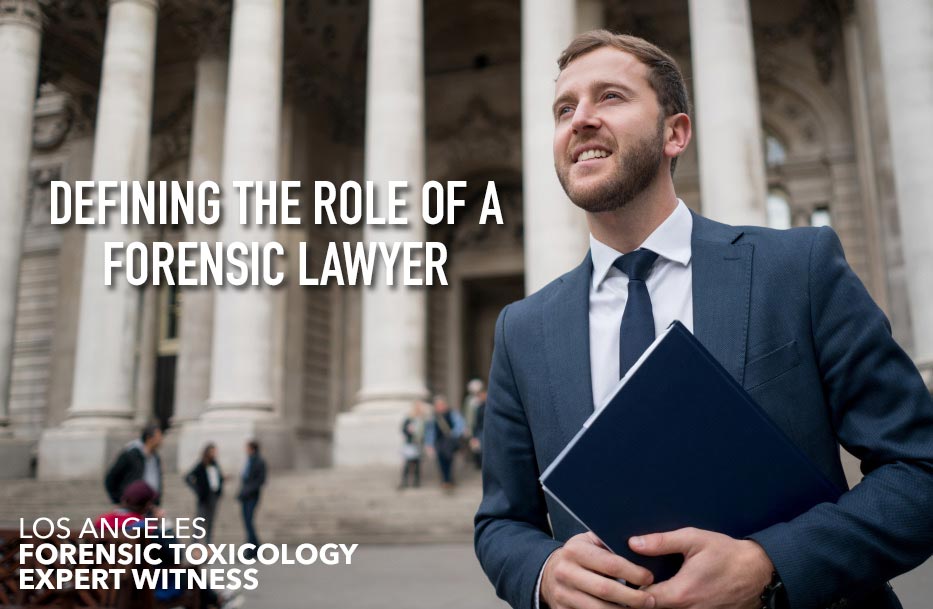
Article overview: This article explains What Does a Forensic Lawyer Do? and the scientific, legal or practical evidence readers should understand.
Forensic lawyers are experts in both law and forensic science. The intersection of science and law has allowed for new tools and methodologies for discovering truth. Okorie Okorocha has served as an expert witness in over 280 trials. His role is to help juries understand complex, scientific concepts and to explain the findings or conclusions.Defining a Forensic Lawyer
Being experts in both law and forensic science, forensic lawyers use their knowledge of both fields to draw conclusions and bring support to court cases. Forensic evidence consists of all physical objects that can be observed by the five human senses. This could include substances, chemicals, tissue traces or impressions. Certain evidence found at crime scenes, such a finger prints or hair follicles, are invisible to the naked eye. It is only after tests are performed by forensic scientists, that previously insignificant evidence becomes crucial to a case. Once analyzed, this evidence can assist the investigators in the reconstruction of the sequence of events that took place at the crime scene. While general lawyers need to consult forensic scientists, forensic lawyers are able to personally study samples and other evidence found at crime scenes.- Job Description Having qualifications in both fields, the forensic lawyer is able to study evidence found at the crime scene – scientific principles and technology are applied to this evidence to obtain proof that can stand in court and assist in building a case. A lot of time is spent researching where the forensic lawyer gathers information, makes deductions and analyses samples. Evidence is studied in a laboratory or crime lab setting, while discussions of their findings can be done in settings varying from a legal office to the home of the client.
- Skills and Qualifications
Similar to any occupation, a forensic lawyer must meet certain requirements. Their list of requirements is however longer than most, as they have to cover the bases of two separate job descriptions, in one. Below are some of the necessary skills and qualifications of a successful forensic lawyer:
- A four-year bachelor’s degree, a three-year law degree and the successful completion of a written bar examination.
- Strong oral and written communication skills in order to persuade a jury.
- Precision and attention to detail.
- The ability to analyze and solve problems.
- The ability to remain professional and analytical in unpleasant situations, such as the viewing of a dead body.
- Extensive computer skills are necessary for the analysis of evidence.
- Knowledge of medicine or law enforcement can serve as beneficial.
Related reading: For related context, read Sweat Patch Drug Testing: Accuracy, Window and Limits, Narcopouch Tests – Drug Testing Made Easy. Browse the Forensic Toxicology topic hub.