What Causes a False Positive Drug Test Result
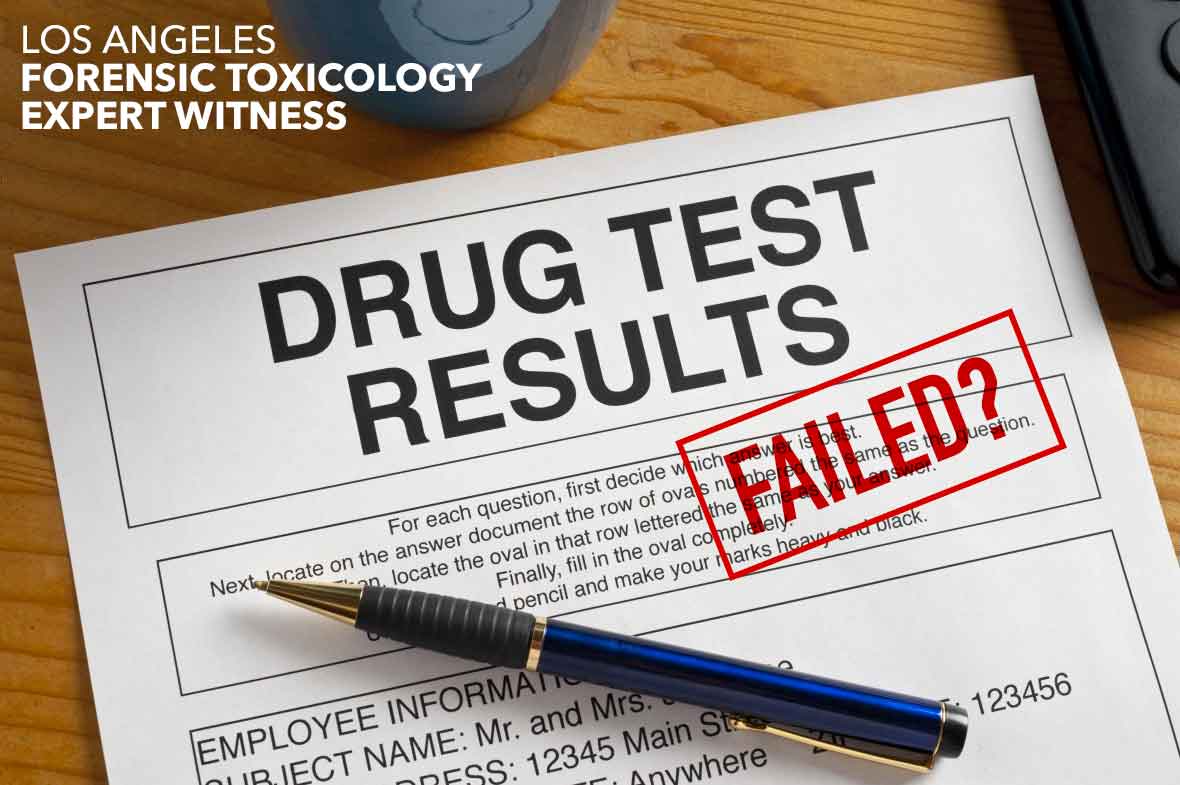
Article overview: This article explains What Causes a False Positive Drug Test Result and the scientific, legal or practical evidence readers should understand.
Drug screening results can really affect the lives and circumstances of those it involves. Accuracy in how these drug tests are carried out is of high importance as the results can have long lasting consequences for the individuals involved. False positive drug test results are a real possibility in today’s age, despite the kind of drug test that is used. The negative consequences of a false positive drug test vary from serving jail time, loss of employment, social stigma, and many others. It’s for this reason that a toxicology expert such as Okorie Okorocha should be consulted when legal counsel is needed should a false positive result be suspected. This article will look at the causes of a false positive drug test result and how consulting a forensic toxicology expert witness can help:What Is a False Positive Drug Test Result
In drug screening, a “false positive’ is when a sample is incorrectly reported as positive even if the sample negative. It is an incorrect test result that states the test subject possesses a drug substance in their body – this may lead to falsely criminalizing the subject.What Causes a False Positive Drug Test Result
There are many different causes that can lead to a false positive drug test result – here is a description of the main causes involved:- Over the Counter Medicines Certain over the counter medicines can alter the test result if their structure is similar to the drug that is being tested for. An example is Pseudoephedrine which is a decongestant. Other medicines used to treat colds, weight loss and allergies can also cause a false positive. For this reason, an expert witness can play a vital role in helping to determine whether a false positive result may have been found.
- Foods Some foods can also cause a false positive result. For instance, narcotics are made from poppies, so eating poppy seeds can cause a false positive result. However, it should be noted that a large amount of poppy seeds will need to be consumed in order for this to happen. Foods that are made with hemp oil can also cause a drug screen to incorrectly reveal marijuana.
- Lab Errors False positive drug test results can also be caused by the factor of human error and contamination in lab testing facilities. When the specimen is collected the container can be easily contaminated, and the influence of alcohol to clean the skin can affect the results. Other lab errors can include the incorrect subject being tested, mislabeling the specimen, as well as specimens being tied up with one another. Secondary exposure to substances can also cause a false positive. For instance, test subjects who had incidental exposure to certain drug components may show a positive result. An example of this is the secondhand smoke that comes from being with a person who smokes marijuana – this may reveal a false positive. In legal situations, Okorie Okorocha offers the service of co-counsel to handle toxicology and forensic issues. He is an experienced trial lawyer who knows how to handle the opposing lawyer.
- Prescription Medications Certain prescription medications such as Amoxicillin can cause a false positive result for cocaine. Other instances include certain antidepressants which have findings which can lead to a false positive result for Benzodiazepines. Involving a forensic toxicology expert who knows the complexities of medication involvement is of the utmost importance when determining the innocence of a test subject.
Authoritative sources and further reading
- FDA guidance on home-use drug tests
- FDA glossary of accuracy, false positives and screening tests
- SAMHSA workplace drug-testing resources and specimen guidance
Related reading: For related context, read How Doses Influence Drug Toxicology: Pharmacodynamics, Forensic Toxicology: How Drugs Affect Driving, The Accuracy of Alcohol Testing. Browse the Forensic Toxicology topic hub.



