Category: Forensic Toxicology
Rare GLP-1 Side Effects: Evidence and Warning Signs

Short answer: Most side effects of GLP-1–based medicines are gastrointestinal, but uncommon serious problems can include pancreatitis, gallbladder disease, kidney injury from dehydration, severe allergic reactions, and complications from delayed stomach emptying. Risks and label language differ by drug and indication. Reviewed and updated July 24, 2026. “GLP-1” is not…
Depo-Provera and Meningioma Risk: What Studies Show

Short answer: Several large observational studies report an association between depot medroxyprogesterone acetate (DMPA, commonly known as Depo-Provera) and meningioma, especially with prolonged exposure. The studies do not prove that the drug caused an individual tumor, and relative risk is not the same as absolute risk. Reviewed and updated July…
Lamotrigine and Stevens-Johnson Syndrome: Warning Signs
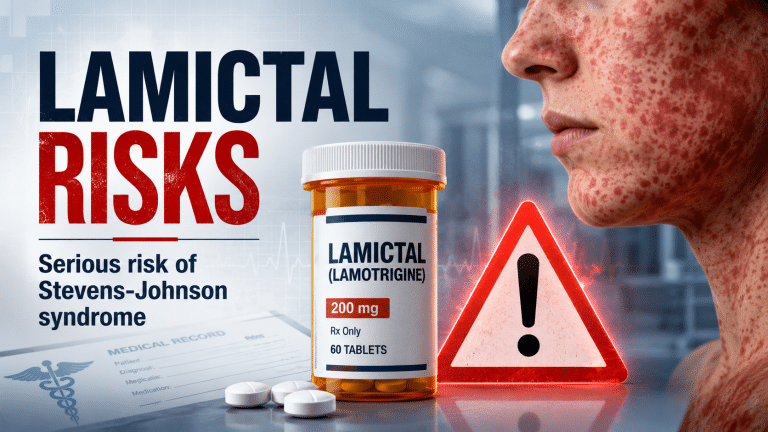
Short answer: Lamotrigine (Lamictal) can cause rare, life-threatening skin reactions, including Stevens-Johnson syndrome and toxic epidermal necrolysis. Because a harmless rash cannot always be distinguished early from a serious one, a new rash requires prompt medical advice. Reviewed and updated July 24, 2026. What the boxed warning says The FDA-approved…
Pink Cocaine (Tusi): What It Contains and Why It Is Risky
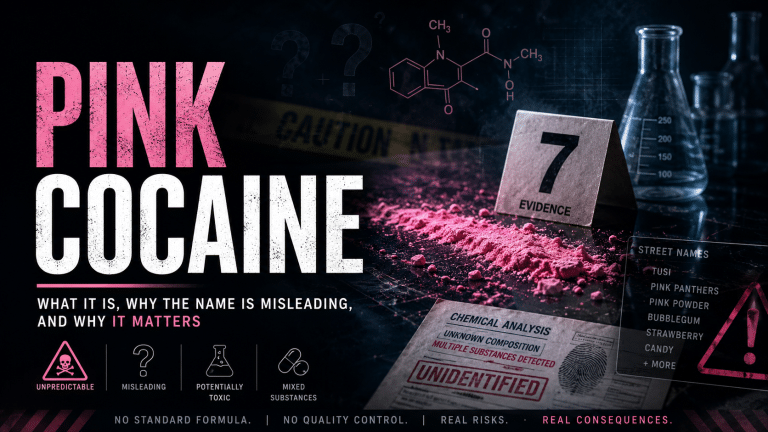
Short answer: “Pink cocaine,” often called tusi or tucibi, is not a standardized drug. It is usually a dyed mixture of other substances and often contains neither cocaine nor 2C-B. The greatest danger is that the ingredients and strength can change from batch to batch. Reviewed and updated July 24,…
Ninth Circuit Open-Carry Decisions: What They Mean
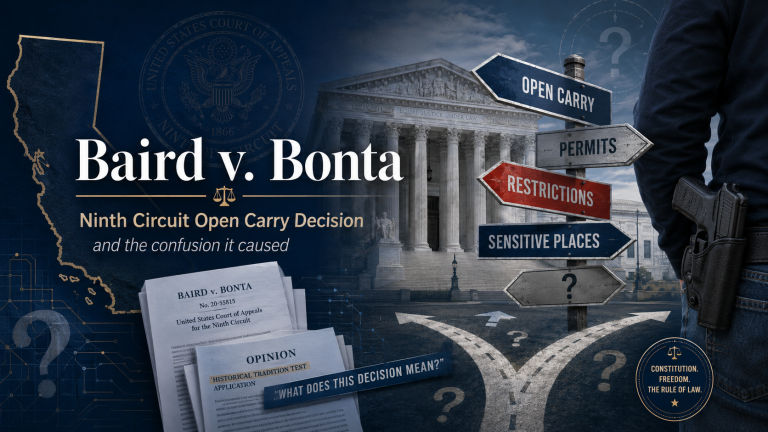
A Ninth Circuit panel struck down the urban open-carry ban in January. The full court has since voted to rehear the case and vacated that opinion. The ban remains in force for now.
California’s Age-Appropriate Design Code Act Decision

On its second look at the Age-Appropriate Design Code, the Ninth Circuit put the age-estimation rule back in play while keeping the data-use and “dark patterns” provisions frozen for vagueness. A compliance map for services likely accessed by minors.
Drug Recognition Expert (DRE) Program Analysis

Anatomy of a forensic illusion: why the “Drug Recognition Expert” evaluation looks like science, and why its own validation studies prove almost nothing.
Kosecki 2023 Blood-Fermentation Study: Limits and Evidence

A 2023 paper is increasingly cited to shut down “fermentation” defenses in DUI cases. Read closely, it answers a question no one was asking — and the literature it cites cuts the other way.
Anabolic-Androgenic Steroids: Effects, Risks and Testing

Pharmacokinetics, detection science, clinical profile, and litigation use for attorneys, judges, and forensic professionals
What the Largest U.S. Government Drugged-Driving Study Found

When prosecutors, the press, or a juror’s intuition tell you that “drugs cause crashes,” there is one study they should be made to confront: the 2015 NHTSA case-control study by Richard Compton and Amy Berning, Drug and Alcohol Crash Risk (DOT HS 812 117). It remains the largest, most carefully…
Kitagawa Balloon Test: History, Validation and Limitations

The Kitagawa balloon test, more precisely the Kitagawa-Wright detector-tube method, is sometimes treated in courtrooms and older case files as if it were a scientifically grounded measurement of blood-alcohol concentration . It is not. The most striking feature of the historical record is that the…
Why Doesn’t Blood Ferment in Living People?

Short answer: Blood in a healthy living person does not behave like a fermentation vessel because it normally contains no stable, growing microbial community. Microbes that enter briefly are usually removed by immune defenses, the liver, and the spleen before they can establish an infection. Oxygen, blood flow, and glucose…



