Expert-Witness Challenges in the Courtroom
Article overview: This article explains Expert-Witness Challenges in the Courtroom and the scientific, legal or practical evidence readers should understand.
Why expert testimony is challenged in court
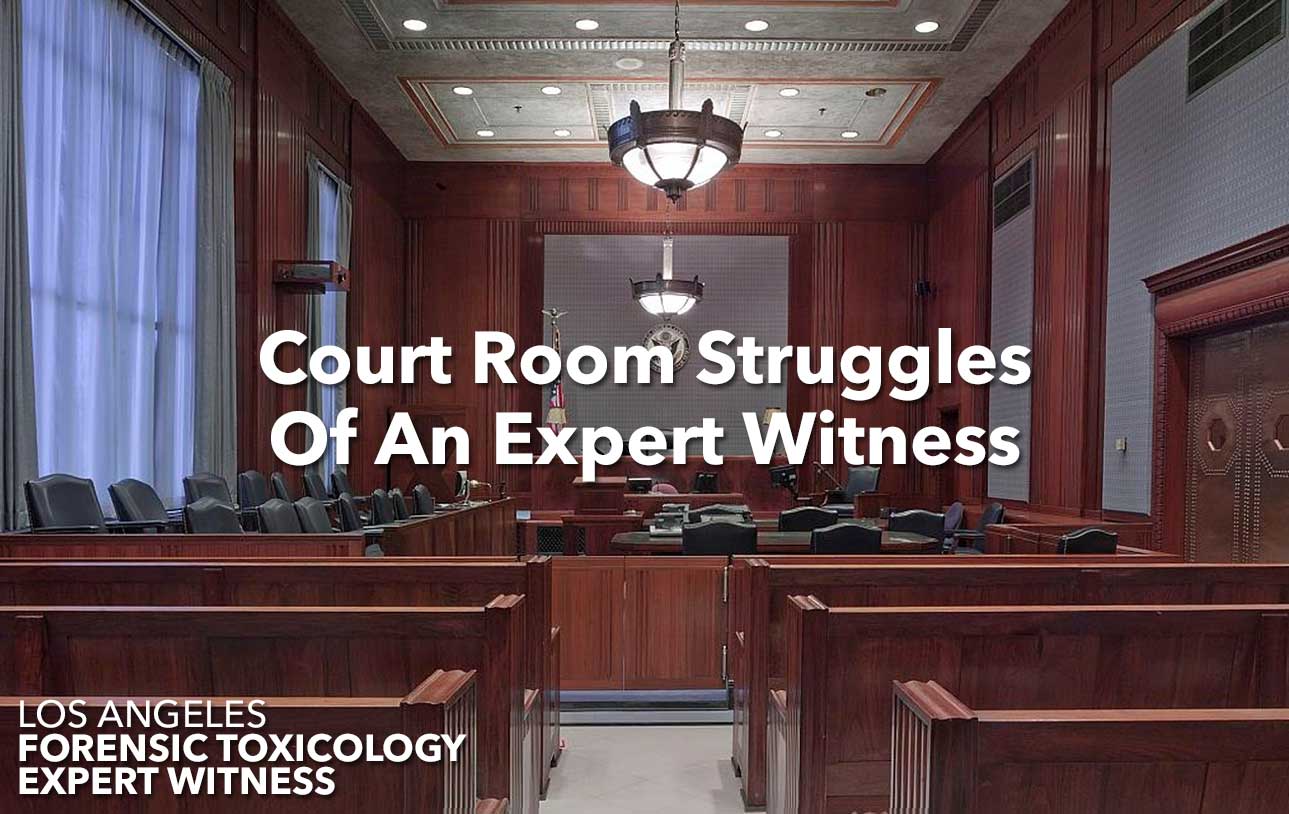
Expert witnesses attend trials to provide specialist information to help a judge and jury make an informed judgement. Obviously, with this comes some difficulties that expert witnesses may face when presenting complex information to a court of law. Before understanding some of these struggles, it’s important to grasp what the function or specific duties of expert witnesses are. Below are some of the functions that should be carried out by an expert witness when they appear in court.- They should be impartial. This means that an expert witness does not act as an additional advocate or represent either party in a court case. They simply serve the purpose of providing the court with more information regarding a topic that they are knowledgeable in.
- They are experts in a specific field. This field could be anything ranging from ballistics to forensics to medicine.
- An expert witness may be asked to offer their opinion before the court if necessary.
- They need to be able to deliver potentially complex principles or scientific concepts to the jury and the judge in a way that is easy to understand.
Proving a Case
Some advocates or attorneys may feel that it is the job of the expert witnesses to prove a case. However, this is not true. The purpose of an expert witness is not to create the arguments to persuade the jury of a decision. It is rather to provide information to aid the prosecutor or defendant in their arguments, and to aid the jury in coming to their own conclusion regarding the information presented to them.Battling False Positives
There is no test that is said to be 100% accurate. In medicine and toxicology, they talk about tests that have a 99% sensitivity. What this means is that a test, for example, a drug or HIV test, has a 99% chance of being positive if the person actually consumed the drug or has HIV. This means there is a 1% chance of false positives. False positives are when a test comes back positive but the person did not actually do the thing that the test says that they did.Access to Evidence
Another issue facing expert witnesses is that they are not actually part of the legal team representing the prosecutor or the defendant. This may mean the expert witness has less access to the evidence available for the trial. In order for them to report to the court many scientific aspects of the case, it is important for them to have access to all of the evidence just as the prosecutor and the defendant have.Communication of Scientific Facts
Often, the expert witness needs to effectively communicate to the judge and jury scientific facts or concepts. This could prove to be a challenge considering that the judge and jury do not have the scientific background or knowledge, and therefore, certain concepts that may be difficult to understand could be hard to explain. It’s important that expert witnesses are able to effectively communicate these scientific concepts in jargon that is easy for any person with no experience in the topic to understand.
Authoritative sources and further reading
- California Evidence Code section 720: expert qualifications
- U.S. Courts: current Federal Rules of Evidence
- Ninth Circuit jury instruction on expert-opinion testimony
Related reading: For related context, read Gunshot Residue Testing: Methods, Evidence and Limitations, Gunshot Residue Evidence: How It Helps or Hurts a Case, Help – I Need An Expert Witness. Browse the Expert Witness topic hub.