What it Takes to Be a Forensic Toxicologist
Article overview: This article explains What it Takes to Be a Forensic Toxicologist and the scientific, legal or practical evidence readers should understand.
SEO structure updated July 24, 2026.
Training and skills required for forensic toxicology
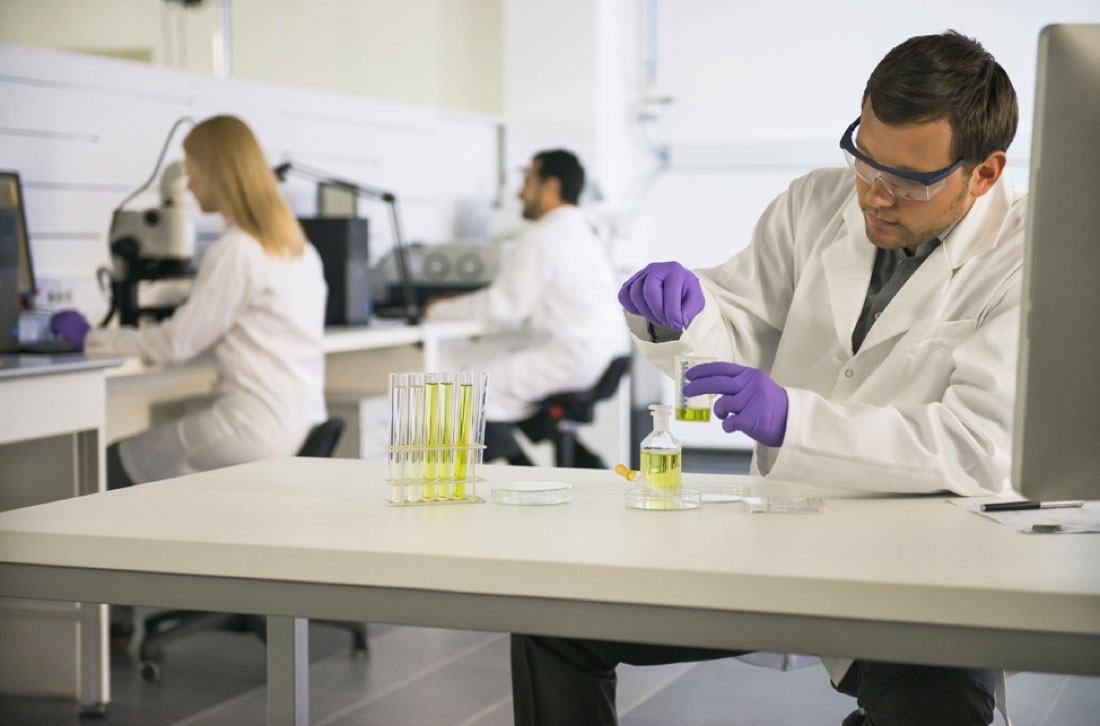
Hire a Professional Forensic Toxicologist A forensic toxicologist deals with many facets of life as science merges with medicine and the law. You may be looking for a forensic toxicologist to conduct office drug tests for your employees or someone who knows about DUI laws and tests to be an expert witness in your case. For whatever reason you may be looking to hire a forensic toxicologist, according to Okorie Okorocha, you must first know what it takes to become a good forensic toxicologist so that you know what to look for. Who Needs a Forensic Toxicologist? Many toxicologists are employed by law enforcement, private drug testing facilities, or by the government as medical examiners. Others, who work in the private sector, can act as an expert witness in a case by providing relevant evidence to the guilt or innocence of a client, or by a company looking to do drug tests on future or current employees. What does the job entail? A toxicologist’s job entails performing tests for the presence of drugs, medications (which may affect the blood alcohol content level), alcohol or any illegal substance. Some of their duties may include; the aforementioned testing of blood, hair, or tissue samples for the presence or lack thereof of drugs or other toxins. They will be expected to testify and present the findings in a court of law or for a private company. If the toxicologist is acting as an expert witness he or she will run independent tests on blood or urine samples, which were collected by local law enforcement, to ensure that the integrity of the equipment used was not compromised in any way nor were the readings inaccurate. Some peoples lives depend on the work done by a forensic toxicologist – their results and opinions could mean the difference between being employed or losing your job, an innocent verdict or a guilty verdict, and even life or death. This is why it is important to make sure that the forensic toxicologist you hire has a lot of experience, both in the lab and in court, and has a good track record. To find out about a particular forensic toxicologist’s reputation, you can ask people in the industry such as doctors, lawyers, judges, and police officers, and you can also look online at previous clients’ references and ratings. What does one need to study in order to become a forensic toxicologist? Another important factor to consider when looking for a good forensic toxicologist is their education. A forensic toxicologist needs to complete a bachelor’s degree in either science, toxicology, chemistry, clinical chemistry, or an associated field. For those looking for a forensic toxicologist as an expert witness, experience in court is a necessity as not everyone is able to explain the results of independent testing in a manner that conveys the sincerity of the results in a way that is understandable to both judge and jurors. For this reason, a forensic toxicologist who has a background in law is a great option. Lastly, this field of science develops and changes all the time. A good forensic toxicologist will make sure that they are always up to date with the latest research and newest methods and tools in the industry. Why you would want to work with us: So, if you are looking for a good toxicologist remember to look out for one who has a lot of experience – particularly pertaining to the capacity which you require, a solid educational foundation in forensic toxicology or a closely related field, and a drive to keep up with the ever-changing world of forensic toxicology.Authoritative sources and further reading
- NIST Seized Drugs and Toxicology Scientific Area Committee
- NIST Organization of Scientific Area Committees for Forensic Science
- NIH: pharmacology, pharmacokinetics and pharmacodynamics
Related reading: For related context, read 3 Main Fields of Forensic Toxicology (With Examples), Advantages and Disadvantages of Drug Testing, Problems That Can Occur with Chemical DUI Tests. Browse the Forensic Toxicology topic hub.