3 Main Fields of Forensic Toxicology (With Examples)
Short answer: The American Academy of Forensic Sciences identifies three main fields of forensic toxicology: postmortem toxicology, human-performance toxicology, and forensic drug testing. They use many of the same laboratory methods, but they answer different legal questions about death, behavior or impairment, and prior drug exposure.
Updated July 24, 2026.
What is forensic toxicology?
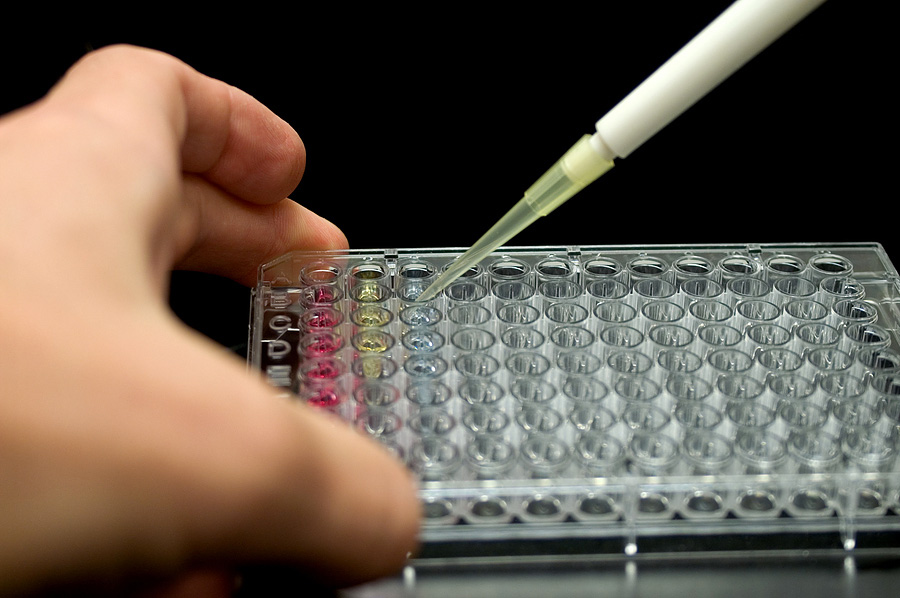
Forensic toxicology applies toxicology—the study of the harmful or impairing effects of drugs and chemicals—to legal and medicolegal questions. A forensic toxicologist may analyze biological specimens, review quality-control data, interpret results in context, write reports, consult with investigators or attorneys, and testify about both findings and limitations.
The field is not limited to identifying poisons. Modern casework often involves alcohol, prescription medications, illicit drugs, novel psychoactive substances, carbon monoxide, volatile chemicals, or combinations of substances. The important question is not merely “Was a drug detected?” but “What does this result reliably show in this particular case?”
The three main fields of forensic toxicology
1. Postmortem forensic toxicology
Primary question: Did alcohol, a drug, a poison, or another chemical cause or contribute to a death?
Postmortem toxicologists work with medical examiners, coroners, forensic pathologists, death investigators, and law-enforcement agencies. Specimens can include peripheral blood, heart blood, urine, vitreous fluid, bile, liver, brain, gastric contents, or other tissues. The available specimen depends on the condition of the body and the circumstances of the investigation.
Interpretation is complicated by changes that occur during and after death. A drug may redistribute between tissues and blood, decompose, form after death, or be affected by specimen collection and storage. For that reason, a numerical concentration should not be interpreted without considering the specimen source, autopsy findings, medical history, scene information, tolerance, other drugs, and analytical uncertainty.
Example: A decedent has fentanyl, ethanol, and prescribed medications in peripheral blood. The toxicologist evaluates the reliability of each result, possible interactions, postmortem limitations, and whether the findings support a contribution to death. The forensic pathologist determines the cause and manner of death using the entire investigation.
2. Human-performance toxicology
Primary question: Could a substance have affected a living person’s behavior, judgment, coordination, consciousness, or ability to perform a task?
Human-performance cases include driving under the influence of alcohol or drugs, drug-facilitated crimes, aviation or transportation incidents, and other events in which behavior or performance matters. This field is not primarily the research and development of new drugs, as the earlier version of this article suggested.
Common specimens include blood, oral fluid, urine, and sometimes breath for alcohol. Timing is critical. A blood concentration may be closer to the event than a later urine result, but even blood rarely acts as a universal “impairment meter.” Drug effects vary with dose, time since use, tolerance, active metabolites, route of administration, interactions, and the person’s condition.
Example: A driver has a measured drug concentration and documented driving behavior. The toxicologist may explain the drug’s known effects, pharmacokinetic limits, specimen timing, and whether the combined evidence is consistent with impairment. The toxicologist should distinguish that opinion from what the laboratory result alone proves.
3. Forensic drug testing
Primary question: Does a tested specimen show drug or metabolite exposure under the rules of a defined testing program?
This area includes workplace testing, probation or parole programs, treatment monitoring, drug courts, child-services matters, military or athletic programs, and other administrative testing. Each program has its own authorized specimens, drug panels, cutoffs, chain-of-custody rules, confirmation requirements, and review process.
For federal workplace testing, SAMHSA currently provides mandatory guidelines for urine and oral fluid. Other programs may use hair or sweat, but those matrices are not interchangeable. A urine result usually shows prior exposure rather than impairment at collection. Oral fluid generally reflects a more recent window. Hair can cover a longer retrospective period but is affected by growth, cosmetic treatment, external contamination, and other limitations. A sweat patch measures cumulative exposure during the wear period.
Example: An employee’s initial screen is non-negative. A laboratory performs a more specific confirmatory test, and a medical review officer evaluates whether a legitimate medical explanation affects the final report under the applicable program.
Other work that overlaps these fields
Standards and laboratory scopes may also refer to court-ordered toxicology, non-regulated employment testing, breath-alcohol programs, and general forensic toxicology involving nonfatal poisoning or intoxication. These categories overlap the three main divisions rather than replacing them.
Clinical toxicology is related but different. Clinical laboratories primarily support diagnosis and treatment of living patients. A clinical result can later become legal evidence, but forensic testing places additional emphasis on chain of custody, documentation, validated purpose, defensible reporting, and preservation of evidence.
How the laboratory process is similar across fields
- Define the question. The case purpose determines the specimen, method, analytes, and interpretation.
- Document collection and custody. Identity, seals, transfers, storage, and specimen condition must be recorded.
- Screen when appropriate. A screening test may identify a class or suggest further testing; it is not automatically a definitive identification.
- Confirm and quantify. More specific methods—often chromatography with mass spectrometry—identify and sometimes measure target compounds.
- Review quality data. Calibrators, controls, identification criteria, carryover, interference, and measurement range must meet the laboratory’s requirements.
- Interpret within limits. The toxicologist integrates the result with specimen type, timing, case information, pharmacology, and uncertainty.
- Report clearly. A defensible report separates analytical findings from interpretive opinions and states important limitations.
Which specimen answers which question?
- Blood: often best for concentrations nearer the collection time, but interpretation still depends on the drug and case.
- Urine: useful for prior exposure and broad detection; usually poor evidence of impairment at a specific time.
- Oral fluid: often reflects relatively recent exposure; collection and contamination controls matter.
- Hair: may provide a longer retrospective record; see how dye, bleach, and chemical treatment affect hair testing.
- Vitreous fluid: useful in selected postmortem analyses and sometimes less affected by certain postmortem changes than blood.
- Tissue: may be essential after death when blood is unavailable or when distribution provides relevant information.
Frequently asked questions
Are the three fields separate professions?
Not always. A toxicologist or laboratory may work in more than one area, but competence must match the case. Experience in workplace urine testing does not automatically establish expertise in postmortem redistribution or drug-impaired driving interpretation.
Does detecting a drug prove impairment?
No. Detection establishes that the reported analyte met the method’s criteria in the tested specimen. Whether it supports impairment depends on the matrix, concentration, timing, drug, behavior, tolerance, interactions, and other evidence.
What is the difference between a screen and a confirmation test?
A screen is designed for efficient preliminary detection and may cover a drug class. Confirmation uses a more specific method and defined identification criteria for a particular drug or metabolite. Program rules determine when confirmation is required.
Who can become a forensic toxicologist?
Education commonly includes chemistry, biology, pharmacology, toxicology, and analytical instrumentation. Roles range from bench analyst to interpreting toxicologist. The American Board of Forensic Toxicology publishes certification categories with different education and experience requirements. For a broader career overview, see what a forensic toxicologist does each day.
Primary and official sources
- SAMHSA: Workplace Drug Testing Resources
- SAMHSA: Federal Workplace Drug Testing FAQs
- NIST OSAC Forensic Science Standards Library
Related reading: Browse the Forensic Toxicology topic hub.