Category: Forensic Toxicology
Why Ed Barley’s Credentials Do Not Establish Formal Toxicology Training

This article presents the author’s critical review of Ed Barley’s claimed toxicology training, court-panel qualifications, and the standards used to evaluate expert testimony.
Ed Barley’s Biochemistry Degree Does Not Make Him a Forensic Toxicologist

This article presents a documented critique comparing Ed Barley’s biochemistry education with formal forensic-toxicology training and expert-qualification standards.
Alcohol Toxicology for Civil Lawyers: Evidence and Case Strategy
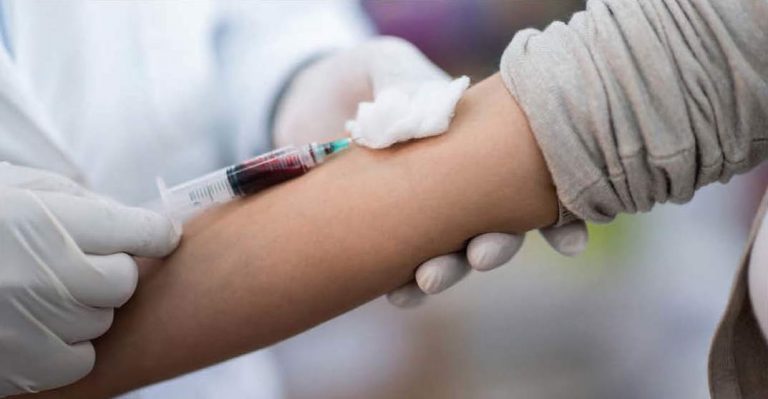
In April of 2021 Okorie Okorocha wrote an article on Alcohol toxicology for civil lawyers for “Advocate”
How Forensic Toxicologists Analyze Data

Forensic toxicology is a complex field revolving around the use of toxins, chemicals, and poisons, particularly pertaining to instances of crime or even death. It is important to understand the role that data can play in the outcomes of court cases where forensic toxicology comes into play.
Forensic Toxicology Testing: Specimens, Methods and Interpretation
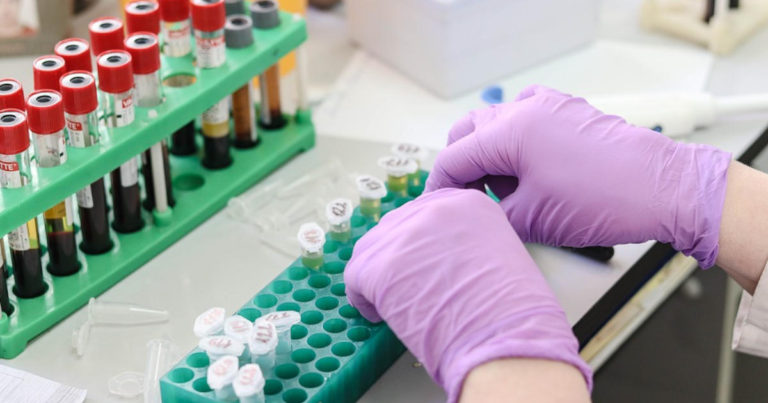
How forensic toxicology uses fit-for-purpose methods, different biological specimens, validation, quality control, and bounded interpretation of drug and alcohol results.
Why Police Field Drug Test Kits Produce False Positives
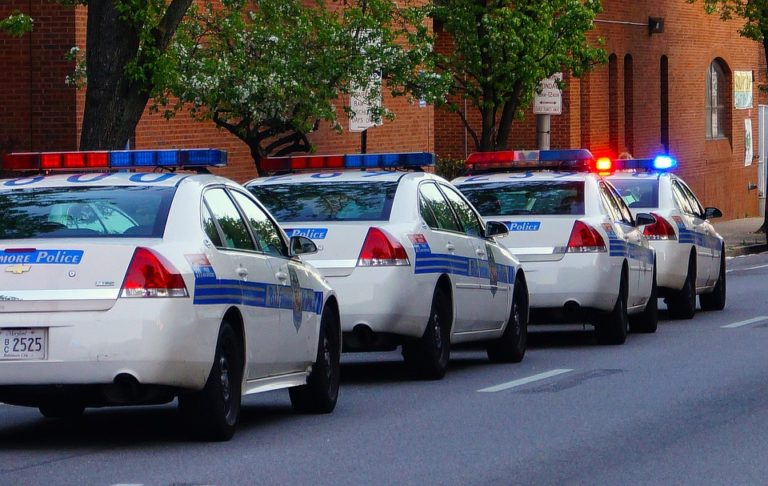
Police use a variety of “quick and reliable” drug tests that can easily be administered. But while they definitely are quick, they are not the most reliable. Despite concerns about inaccuracies, police field drug test kits are still used on a daily basis and contribute to false convictions.
Hair Follicle Testing: Uses, Limits and Contamination Risks
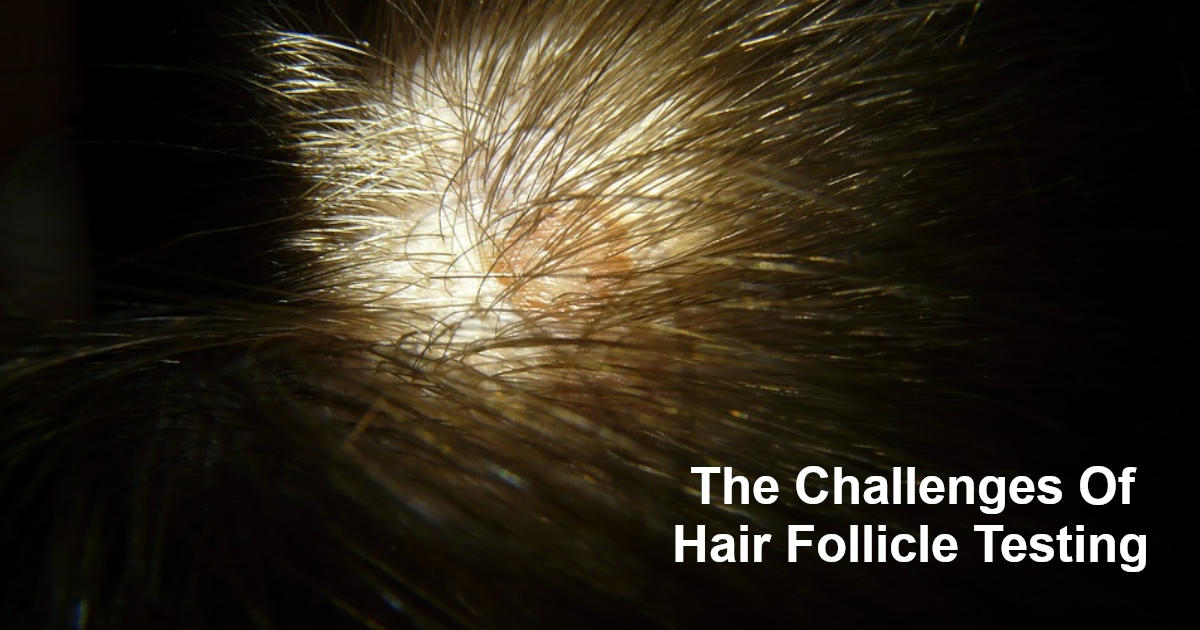
Hair follicle testing has risen in use to over 200,000 drug tests per year in the U.S. This type of drug testing analyzes the hair shaft for drug metabolites, as opposed to analyzing bodily fluids such as urine or saliva which are used in most other types of drug testing .
Breathalyzer Tests: Accuracy, Limitations and Legal Challenges
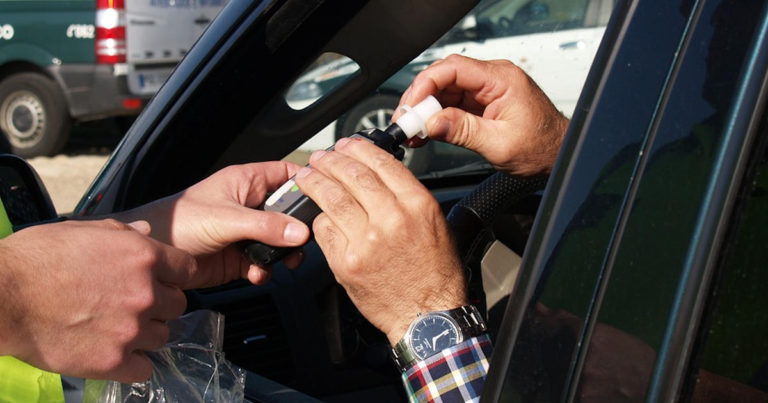
It’s not uncommon for law enforcement to use breathalyzer tests for estimating the blood alcohol content in a driver’s system. The controversial results of these tests are then used as a case for charging someone with a DUI.
How DNA Contamination Can Change a Court Case

When a crime occurs, scientists may use DNA evidence to ascertain who are possible suspects and, in some cases, find them guilty in court. Yet relying so heavily on such a sensitive test can have consequences, especially in criminal court cases.
Medical Marijuana Cards: Rights, Limits and What to Know

Legalizing marijuana continues to be a hot topic in the United States, whether speaking about recreational or medicinal use. At the time of printing, it was legal to purchase marijuana for medical use in 33 states – with more states, such as Kentucky , advancing bills for legalizing.
Sweat Patch Drug Testing: Accuracy and Limitations
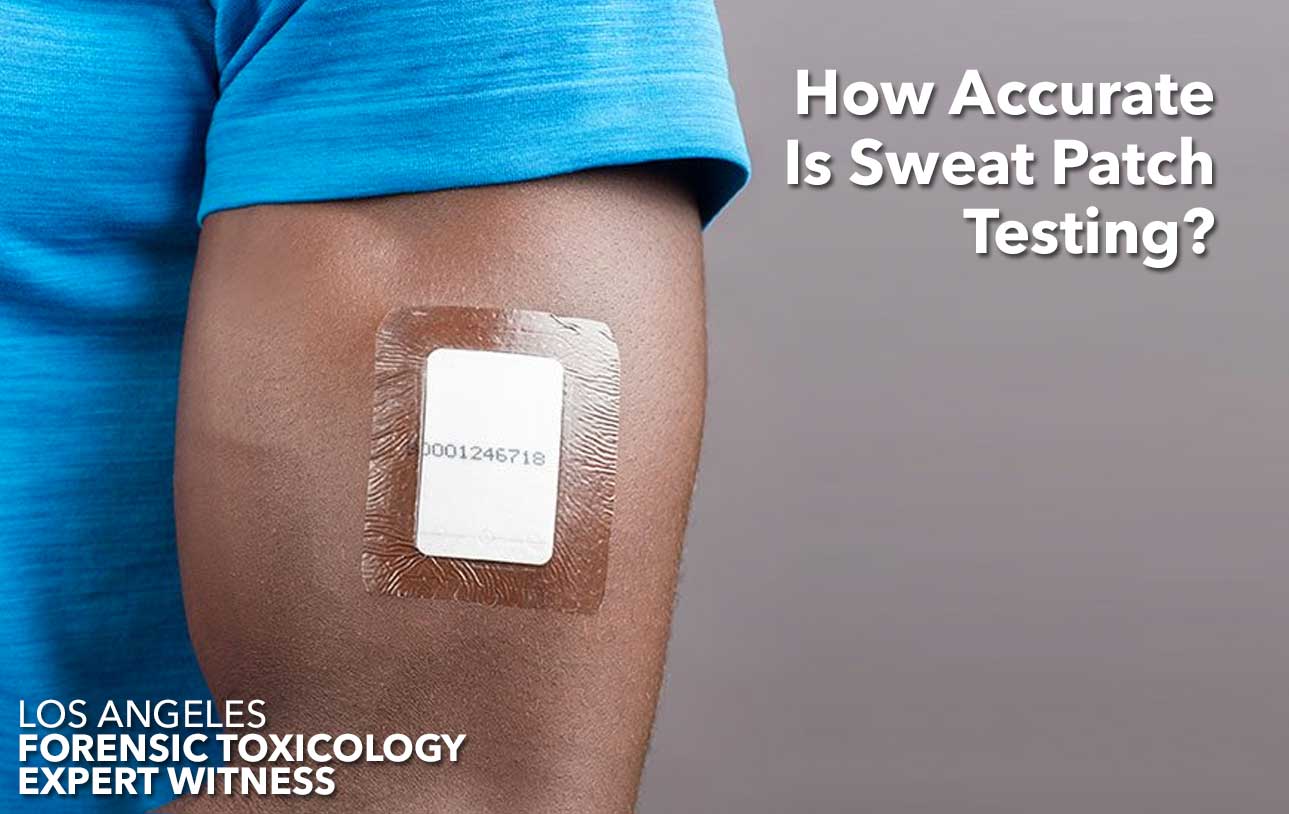
Toxicology plays a large role in various legal cases by serving as evidence for or against the presence of drugs and alcohol in the human body. As the science of toxicology constantly progresses and advances, different methods are introduced to the industry.
Can Blood Tests Determine a Person’s Age?

Forensic Science has progressed over the years, with the advancements in blood testing proving to be extremely useful in many cases. Although TV shows today, such as CSI or True Detective, make blood testing and DNA analysis seem unsurpassable, the current forms of blood testing have had their…



