The Accuracy of Alcohol Testing
Article overview: This article explains The Accuracy of Alcohol Testing and the scientific, legal or practical evidence readers should understand.
SEO structure updated July 24, 2026.
In the United States of America, a blood alcohol concentrate (BAC) of 0.08% or higher, is considered illegal if you are behind the wheel of a vehicle. Alcohol testing is used to determine if the BAC level is above the legal limits.Main Methods Of Alcohol Testing
There are three main methods in alcohol testing, namely breath, blood and urine tests.Breath Test
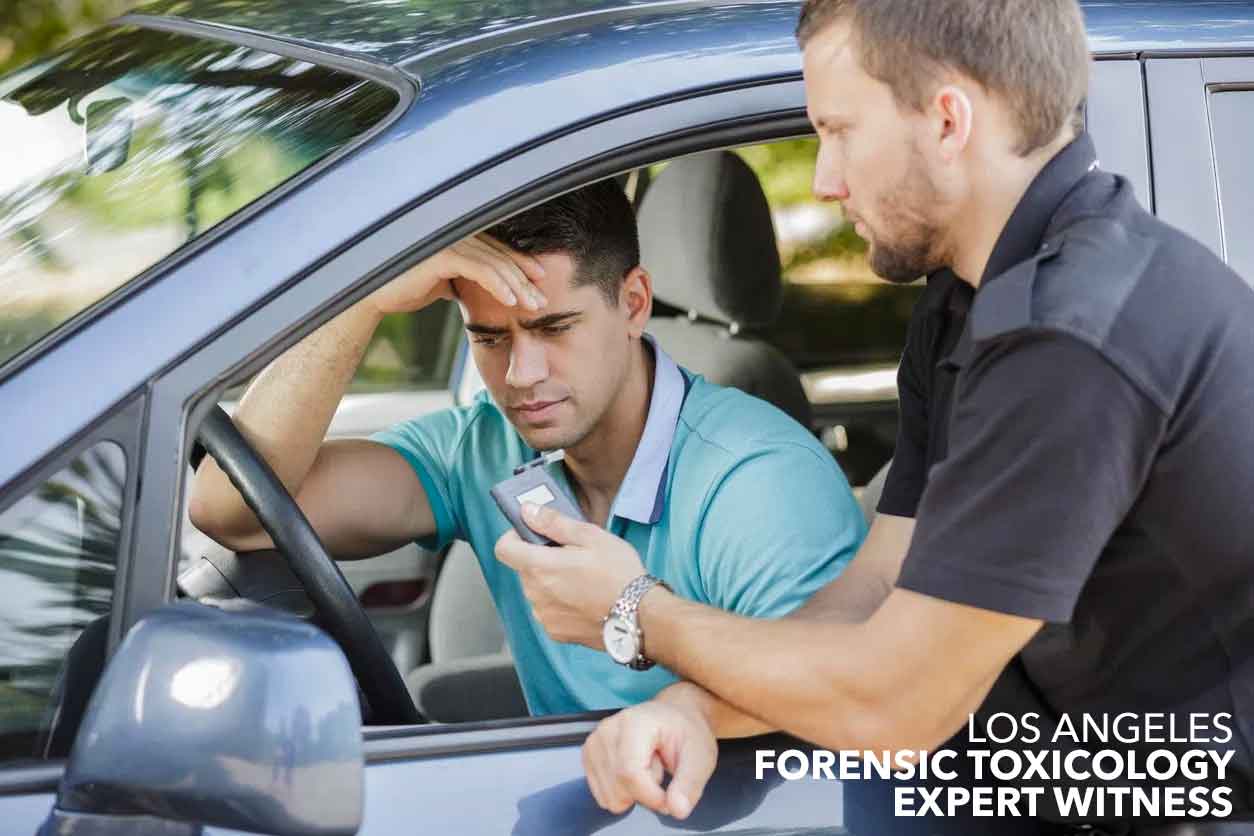
In order to perform an alcohol test, an officer may use a portable breath analysis device known as a breathalyzer. Breathalyzers are used to measure the concentrate of alcohol in the blood by having the subject breathe into the device. If the subject is above the limit, a chemical reaction will cause a change in color on the device.Blood Test
Alcohol can be measured within minutes of having an alcoholic drink as it is quickly absorbed into the blood stream. A blood test may require a consent form, however refusing to take the test may result in legal consequences, including suspension of driving privileges.Urine Test
Urine tests would be considered a last resort if neither of the above-mentioned tests are available. They can however be seen as an intrusive method. Studies have shown that urine test results can be significantly higher or lower than the subject’s actual BAC.
What Affects the Accuracy of An Alcohol Test
Regarding a breath test, there are many factors to take into account. A breathalyzer is the device used to administer BAC breath tests and it needs to be maintained. Inadequate maintenance can severely affect the accuracy of the alcohol test. The officer administering the test also needs adequate training to ensure that the device is handled properly. If an alcohol test is given only once, the results could potentially be inaccurate. Sometimes the person receiving the test may not have exhaled enough for the test to register properly. In addition to this, chemicals that people can easily be exposed too may cause a false positive for alcohol testing. Some examples of these are paint, thinners, glue, and plastics, all produce a fume that when inhaled may manifest as a false positive on the breathalyzer test. Therefore, a forensic expert can play a crucial role in determining whether a false positive result may have been found. Lab testing errors can occur after a blood test has taken place and thus render the results inaccurate. A medically trained person may administer the blood test and will then pass it onto the police or other individuals. During this process, there is a possibility of the test becoming contaminated. Someone might also mishandle the blood test, thus corrupting the accuracy of the test. In addition to this, factors that influence accuracy could also include; contamination from bacteria, a lack of protection against decay, curdling, test tube mix-ups and evaporation of the blood in the test tube. In situations of a legal nature, Okorie Okorocha offers the service of co-counsel to handle toxicology and forensic issues. He is an experienced lawyer who knows how to go up against other lawyers and leave them flawed. Urine tests most often cannot be carried out immediately, such as at a traffic stop, thus causing the samples to be affected by the passing of time. It is known that alcohol may only be evident in a person’s urine after two hours of consumption and may still be detected in their system for 6-24 hours. Therefore, a urine test that results in a positive may not prove that the person was inebriated at the time of the event. Urine testing may also pick up small amounts of alcohol found in medicines, hygiene products and even certain foods. When faced with the results of alcohol testing, you may need the help of the most experienced and qualified legal and forensic professional out there. Okorie Okorocha will provide you with the best toxicological co-counsel. He is the only attorney out of 250 000 in the State of California that is a Nationally Board Certified Criminal and Civil Trial Lawyer.Alcohol-testing standards and quality controls
- NHTSA: alcohol device specifications and conforming product lists
- NHTSA: evidential and preliminary alcohol measurement devices
Related reading: For related context, read How Doses Influence Drug Toxicology: Pharmacodynamics, Forensic Toxicology: How Drugs Affect Driving, How Does Pharmacokinetics Influence Drug Toxicology. Browse the Forensic Toxicology topic hub.