The Role of a Forensic Toxicologist in Court
Article overview: This article explains The Role of a Forensic Toxicologist in Court and the scientific, legal or practical evidence readers should understand.
SEO structure updated July 24, 2026.
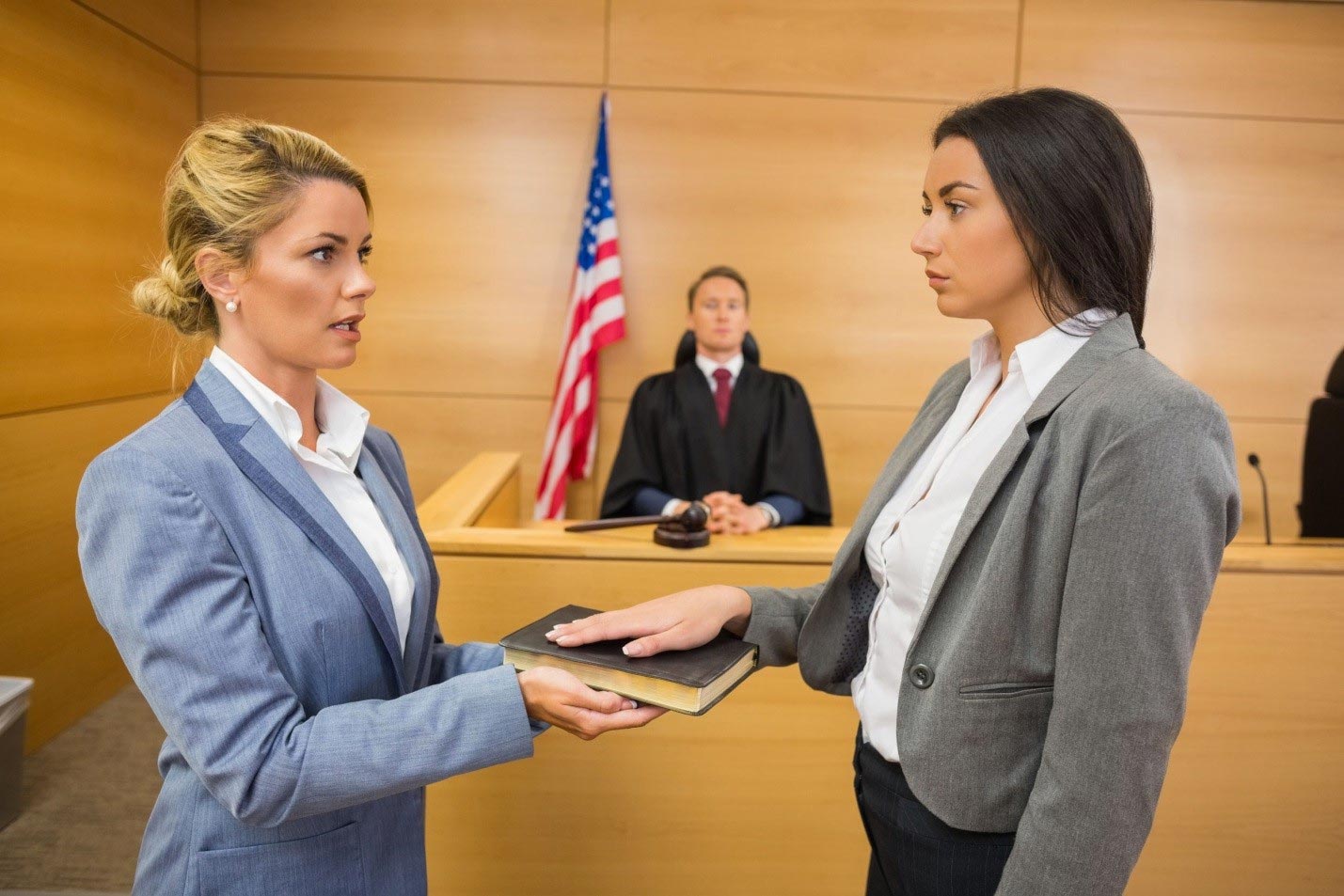
Interpretation and Expertise: The Forensic Toxicologist as Expert Witness An expert witness is someone who is qualified to testify in court as an expert on a certain topic or field. Their expertise is due to their specialist knowledge, skills or education, and they should be able to justify their opinions and arguments based on factual evidence. For this reason, the person who fills this role in a court case should remain impartial. They should also be able to explain complex scientific ideas or concepts, or explain the implications of specific evidence in layman’s terms – making it easy for everyone in court to understand the evidence. An expert witness could be from almost any discipline, but usually has a scientific or academic background. In terms of forensic toxicology, the expert witness often holds multiple degrees, or has specialized knowledge of a particular method or toxin. The Role of a Forensic Toxicologist in Court In forensic toxicology, an expert witness testifies in order to explain and resolve legal questions around poisons and toxins, whether illegal or legal (for example, alcohol). A forensic toxicologist uses their expert knowledge to detect which chemicals, if any, played a role in the death or behavior of a subject. Similarly, the forensic specialist determines if the subject was poisoned, could have been exposed to these chemicals accidentally, or ingested them on purpose. The forensic toxicologist would do this by taking samples from the subject – either while they’re alive or post-mortem, depending on the case – and testing them for various factors. So, for example, a forensic toxicologist may be called in as an expert witness for a potential murder case. They would collect tissue and fluid samples from the body and, because we often come into contact with chemicals in our everyday lives, they might also take samples of the deceased’s environment – their home or workplace. Back at the laboratory, the forensic toxicologist conducts tests to identify (or sometimes eliminate) which chemicals could have been responsible for the subject’s death. This person then prepares the evidence for court, and must be able to explain – clearly and simply – why they have come to their conclusion. Interpretation Makes a Case Understanding forensic toxicology takes years of training and hard work. Because juries and judges don’t have the necessary expertise to understand the field, the expert in this field must be able to communicate results and conclusions in an accessible manner. As an expert in the toxicology arena, it’s often their interpretation and argument that makes the case. That’s why it’s important that the toxicologist is also a strong speaker who is confident and well qualified. Qualifications and Credibility As a specialist witness, the toxicologist also needs to be credible and reliable. Firstly, toxicology is often an interdisciplinary field, and an expert on this subject can hold degrees in chemistry, pharmacology, pathology, medicine or even environmental sciences. Secondly, a forensic toxicologist needs to be certified by the American Board of Forensic Toxicology in the US, and they must have access to an accredited laboratory. Lastly, this person must follow rigorous scientific protocols and procedures for their evidence to be reliable. They may be asked in court to explain how they achieved their results, and their dedication to the scientific method is an important part of establishing their status as an expert witness.Related reading: For related context, read A Brief History of Poisons and Forensic Toxicology, Duties of an Expert Witness, Forensic Toxicology and DUIs. Browse the Forensic Toxicology topic hub.