Beating Synthetic Urine
Article overview: This article explains Beating Synthetic Urine and the scientific, legal or practical evidence readers should understand.
SEO structure updated July 24, 2026.
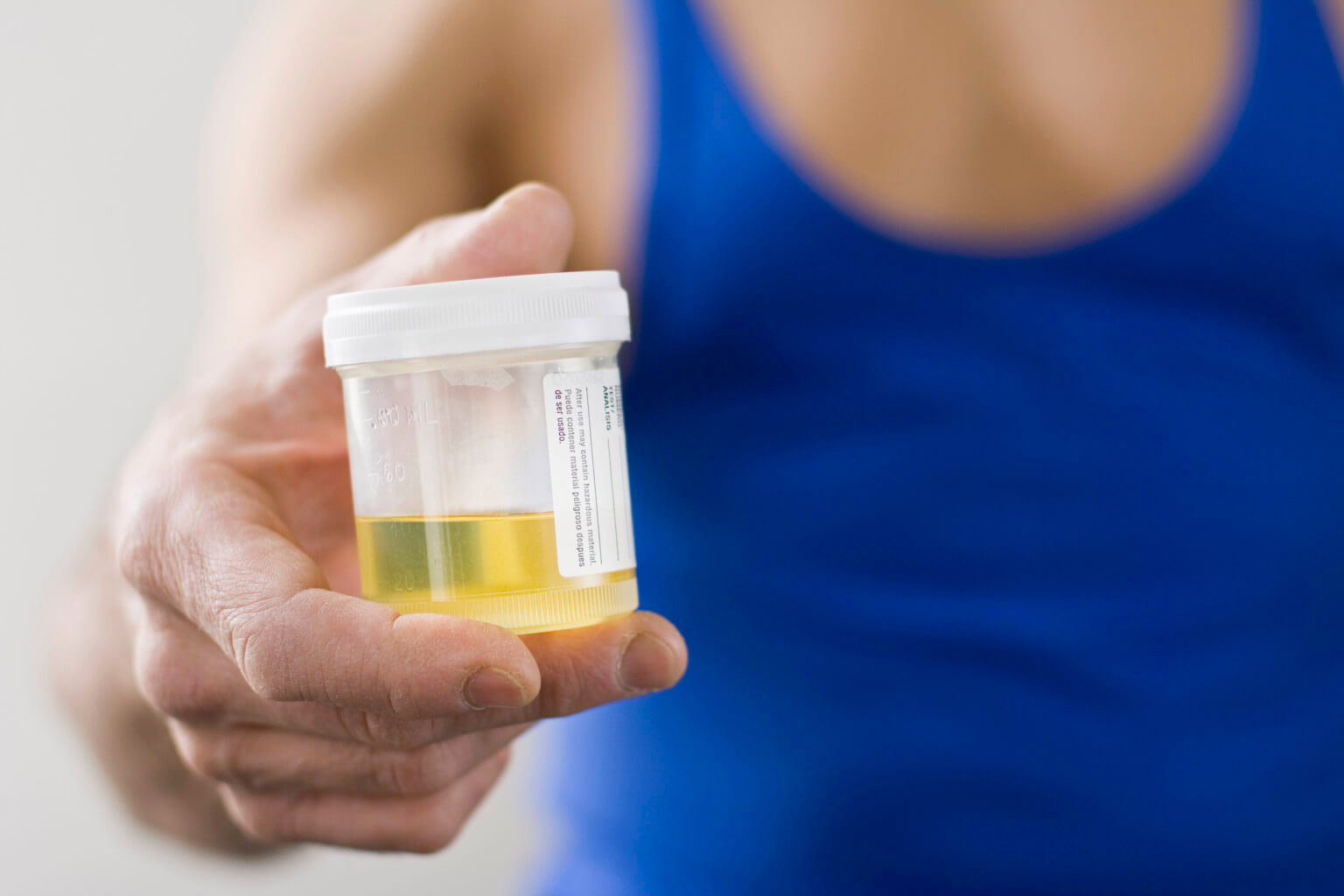
Forensic Toxicologists Beat the Cheaters Forensic toxicologists must always stay up-to-date with the latest technologies and testing methods in their field. This also means staying ahead of trends to cheat forensic testing. One such trend is synthetic urine. With many employers requiring drug testing from their workers, the market for synthetic urine is booming online. It’s also used by professional athletes looking to cheat tests for performance-enhancing drugs. What is Synthetic Urine? Synthetic urine is a fake substance that imitates the chemical composition and appearance of real, human urine. It can come in liquid, gel, or powder form. Some products offer additional accessories like heating pads or chemicals to ensure that the fake urine has the same temperature as real urine straight from the body. There are even elaborate kits involving bags, tubes, and prosthetic penises that can be hidden under the clothes for monitored urine tests. Many labs actually use synthetic urine to calibrate their drug-testing equipment, as it offers consistent results in a controlled environment. However, it is now sold commercially – usually online or at head shops – so almost anyone has access to synthetic urine. There are many brands of synthetic urine available for purchase. So it’s no surprise that Diagnostic Laboratory Services reported an increase in synthetic urine being used in drug tests in 2015. It’s also a totally legal industry, so enforcement authorities like the DEA or FDA cannot ban its sale. Nonetheless, a number of states are now prohibiting synthetic urine sales. How Do Toxicologists Know Its Fake? Some of these synthetic urine products are of very poor quality, and a qualified forensic toxicologist will know just by looking at the sample that it is fake. However, some brands are becoming more and more sophisticated. They mimic the look and smell of human urine, and even foam up when the sample is shaken, just as real urine would. As mentioned above, forensic toxicologists must stay informed about products like synthetic urine. One of the easiest ways to do this is to actually purchase the products and test them in the lab! This helps us figure out what’s in these commercial synthetic urines and how to detect them. Many labs now test for synthetic urine when conducting urine tests for employers. We look at the following features:- the pH factor (how acidic or alkaline the sample is)
- uric acid and urea
- creatinine levels
Related reading: For related context, read How Accurate are Hair Follicle Drug Tests, 3 Main Fields of Forensic Toxicology (With Examples), What it Takes to Be a Forensic Toxicologist. Browse the Forensic Toxicology topic hub.