DUI Breath vs. Blood Test
What is the difference between a DUI breath test and a blood test?
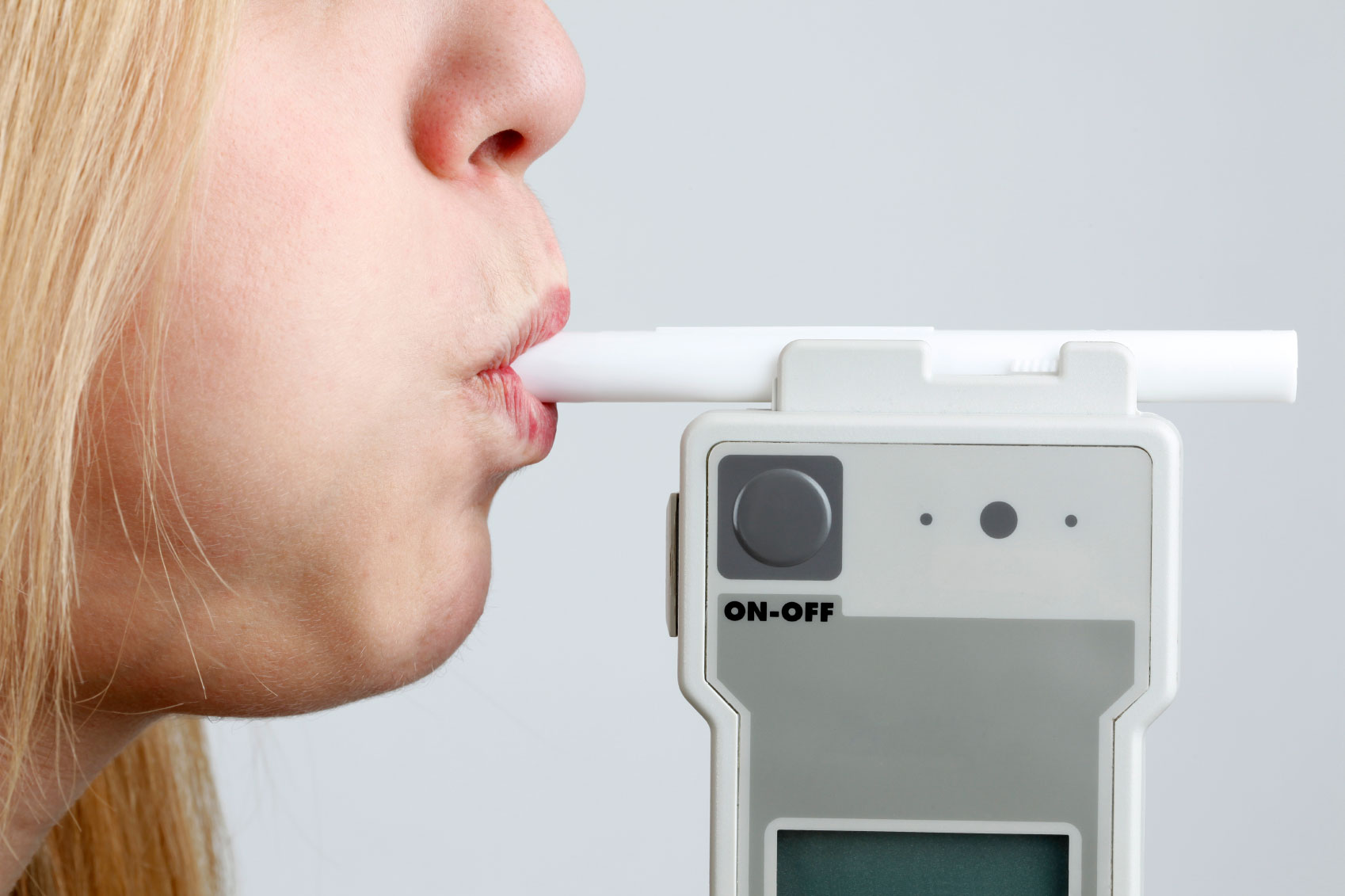
A DUI breath test measures alcohol in an exhaled-breath sample, while a blood test measures ethanol in a collected blood specimen. Both can be useful, but they rely on different instruments, specimens and quality-control records. A defensible interpretation therefore examines the entire testing process rather than treating a reported number as self-proving.
How breath-alcohol evidence should be evaluated
- Instrument status: identify the exact evidential or preliminary device and confirm that it was approved for the asserted use.
- Calibration and maintenance: review calibration checks, maintenance history, error messages and the agency’s quality-assurance plan.
- Sampling conditions: examine the observation period, breath-sample sequence, possible residual mouth alcohol and whether the device accepted a complete sample.
- Timing and physiology: consider when the test occurred relative to drinking, whether alcohol absorption was complete and how breath-to-blood variability affects the inference being offered.
How blood-alcohol evidence should be evaluated
Blood testing avoids the breath-to-blood conversion issue, but it has its own foundation. The collection time, tube type, preservative, storage conditions, chain of custody, analytical method, calibration, controls, replicate results and measurement uncertainty all matter. A hospital result also may have been produced for clinical treatment rather than forensic litigation, so the method and purpose must be identified before comparison with a statutory threshold.
Questions to ask before relying on either result
- What specimen was tested, by what method, and at what time?
- Was the result a screening measurement or an evidential result?
- Do the raw data, controls and calibration records support the reported value?
- What uncertainty, absorption-phase issue or alternative explanation limits the conclusion?
For deeper analysis, read Alcohol Testing 101, DUI alcohol-testing methods and limitations, and what absorption-phase BAC readings actually show.
Authoritative breath- and blood-alcohol references
- NHTSA: Alcohol Measurement Devices — explains evidential and preliminary breath devices, calibration and quality-assurance records.
- NHTSA: Model Specifications and Conforming Products Lists — official device specifications and product lists.
- 49 C.F.R. Part 40 — federal procedures for regulated drug and alcohol testing, including breath-testing personnel and process controls.
Article overview: This article explains DUI Breath vs. Blood Test and the scientific, legal or practical evidence readers should understand.
SEO structure updated July 24, 2026.
The Forensic Toxicology Behind DUI Chemical Tests Under California law you are only obligated to submit to a chemical test, that is either a breath or a blood test, once you have been lawfully arrested for driving under the influence. Prior to lawful arrest, any test, including a field sobriety test, is completely voluntary. It is highly recommended that you always refuse voluntary testing and demand a blood test, which is properly performed, is the most reliable evidence. However if you are under arrest, California’s ‘implied consent’ law requires you to undergo either a blood test or a breath test. The question on most people’s minds then is which of these tests is preferable. The answer is not straightforward. The blood test is undoubtedly a lot more accurate as blood alcohol concentration (BAC) is best determined by measuring blood directly, as opposed to breath, which is a proxy for blood or indirect measurement. Biological samples begin changing immediately upon leaving the body, so by the time you have court, a lawyer and know that you can have your blood sample tested, it has already been a month at a minimum, which is too long to wait to test blood. Another factor that may be relevant is your alcohol level and whether it is rising or falling. When you drink your blood alcohol level continues to rise for a short period after you have stopped. Your blood alcohol level can generally peak between two and six hours according to the leading toxicology textbook, Goldfrank’s toxicologic emergencies. New York: McGraw-Hill Medical, 2011. Depending on whether you are absorbing or eliminating, there are drastic differences in the Toxicologic analysis. Of course it would be best to abstain from drinking and driving completely, but it is generally legal provided certain requirements are met i.e. you must be over 21, not on probation for a DUI and with a blood alcohol level of not more than 0.08.Related reading: Browse the Forensic Toxicology topic hub.