Does Bleaching Hair Affect a Hair Follicle Drug Test?
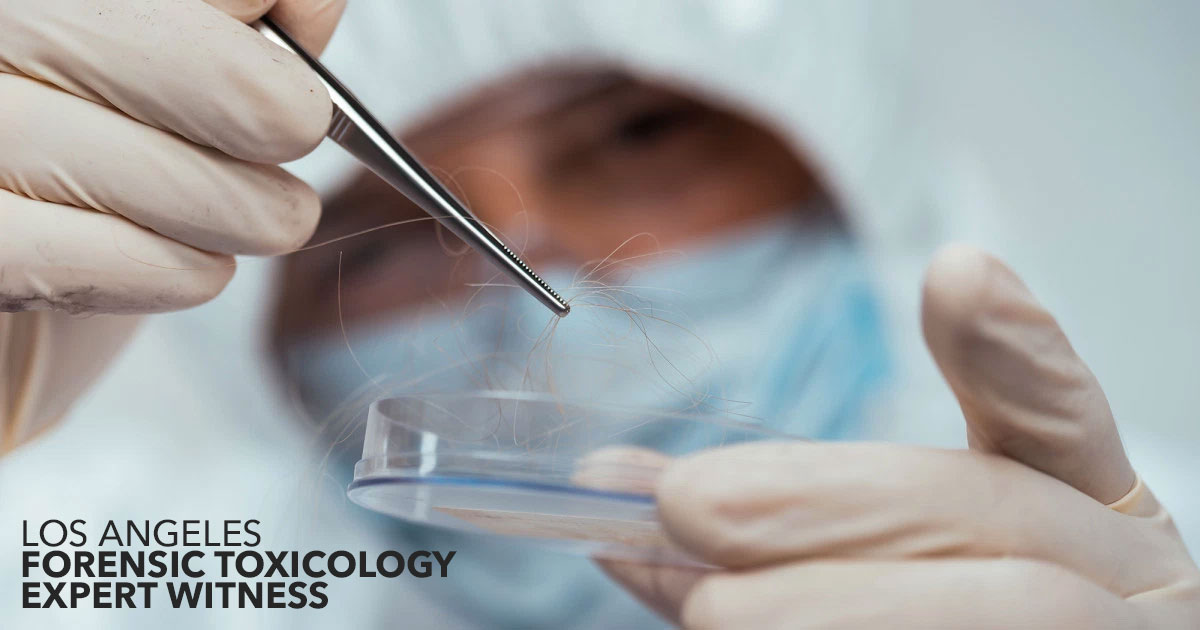
Short answer: Yes. Bleaching can affect what a hair drug test—often called a “hair follicle test”—measures. Bleach, permanent dye, relaxers, and other chemical treatments can change drug concentrations in hair. The effect varies by drug, treatment, hair condition, and laboratory method. Cosmetic treatment does not reliably make a person “pass” a hair test, but it can increase the risk of an incorrect or overconfident interpretation.
Updated July 27, 2026. This article discusses forensic interpretation, not ways to defeat testing.
What a hair drug test actually measures
A laboratory analyzes the cut hair shaft—not the follicle—to look for a drug, one or more metabolites, or both. Drugs may enter hair from blood during growth and from sweat or sebum. External contamination can also deposit material on the hair surface, which is why washing procedures, metabolite patterns, confirmatory testing, and case context matter.
The commonly quoted “90-day window” is only an approximation based on analyzing about 1.5 inches of head hair. Hair growth varies among people and among individual strands. A result generally cannot establish the exact dose, exact day of use, or impairment at a particular time.
For federal workplace testing, urine and oral fluid are currently the authorized specimen types. Hair-testing guidelines remain proposed rather than part of the current federal mandatory program. Private, clinical, family-law, probation, and other programs may operate under different rules.
How bleaching affects hair drug results
Oxidative bleaching can damage the hair matrix and reduce the measured concentration of some drugs and metabolites. The size of the change is not predictable from appearance alone. It depends on the peroxide strength, exposure time, number of treatments, analyte, original concentration, and laboratory procedure.
A 2026 study of 100 authentic positive hair samples found that permanent chemical treatments could significantly change measured cannabinoid and cocaine-related analytes. Bleaching produced the most pronounced changes. Some concentrations decreased, while benzoylecgonine increased in many treated samples, illustrating why a simple claim that treatment always “removes” a fixed percentage is scientifically unreliable.
Research has also identified chemical markers of oxidative treatment. Those methods may help a laboratory recognize altered hair, but they do not restore analyte that has been lost or make every result straightforward to interpret.
Do hair dye, relaxers, perms, or shampoo change results?
- Permanent dye: The oxidizing chemistry can affect some analytes. The 2026 study found no consistent effect attributable to dye color itself; the chemical treatment was the relevant issue.
- Relaxers and straighteners: Strong alkaline products can damage keratin and may change recovery of certain compounds. The result is analyte- and method-specific.
- Permanent waves: Chemical processing can alter the hair structure and the stability of incorporated compounds.
- Routine shampooing: Ordinary washing is not a dependable way to remove incorporated drugs. Laboratory decontamination is designed to address surface material, but distinguishing ingestion from contamination can still be difficult in some cases.
- Heat and weathering: Repeated heat, sunlight, and environmental exposure may contribute to degradation, especially in older or distal hair segments.
Other factors that affect interpretation
- the collection site and the end identified as closest to the scalp;
- segment length, alignment, and the proportion of resting versus growing hairs;
- hair color, melanin content, porosity, and cosmetic history;
- external contamination and the laboratory’s wash procedure;
- the screening method, confirmation method, cutoff, and limit of quantification;
- whether parent drug, metabolites, and wash fractions support ingestion;
- chain of custody, specimen integrity, medications, and the purpose of the test.
What a careful forensic review should examine
A defensible review should document cosmetic treatments before collection, examine the laboratory’s validated method and controls, distinguish screening from confirmatory results, and avoid converting a concentration into a precise dose or date without scientific support. When hair is visibly damaged or the result conflicts with the case history, an alternate specimen and independent review may be appropriate.
A positive hair result supports exposure during a retrospective period; it does not by itself prove impairment. A negative result—especially from heavily treated hair—does not necessarily prove abstinence.
Frequently asked questions
Will bleaching hair help pass a hair follicle drug test?
Bleaching can lower some measured concentrations and increase the risk of a false-negative or otherwise misleading result, but the effect is variable and cannot be predicted reliably.
Can a laboratory tell that hair was dyed or bleached?
Often the treatment is visible or reported during collection. Specialized chemical markers may also support that conclusion, but availability and interpretation vary by laboratory.
Does a hair result show the exact day or amount of drug use?
Usually not. Differences in growth rate, hair-cycle phase, drug incorporation, cosmetic treatment, and segment alignment limit exact timing and dose estimates.
Is a hair test the same as a federal workplace drug test?
No. As of July 2026, federal workplace programs authorize urine and oral fluid, while federal hair-testing guidelines remain proposed. Other testing programs may use hair under their own rules.
Primary and authoritative sources
- SAMHSA: federal workplace drug-testing FAQs
- SAMHSA: current and proposed mandatory-guideline materials
- Duda et al. (2026): permanent dye color and drug/metabolite levels in treated hair
- Eisenbeiss et al. (2020): biomarkers of cosmetically altered hair
- Kintz (2015): limitations of treating hair segments as a precise timetable
- Society of Hair Testing consensus recommendations (2023)
For a case-specific review, see our forensic toxicology expert-witness services. Interpretation should be based on the complete laboratory record and the facts of the matter.
Related reading: For related context, read A Short History of Forensic Toxicology, Drug Toxicology: Alcohol vs Drug related DUI. Browse the Forensic Toxicology topic hub.