Forensically Always Ahead of The Pack
Forensic Lawyers and the Detection of Designer Drugs One of the primary responsibilities of a forensic lawyer is to produce evidence of the presence (or lack thereof) of a particular drug in the biological sample of their client or the client of their opposing counsel. With the recent development of…
Why do You Need a Toxicology Lawyer?
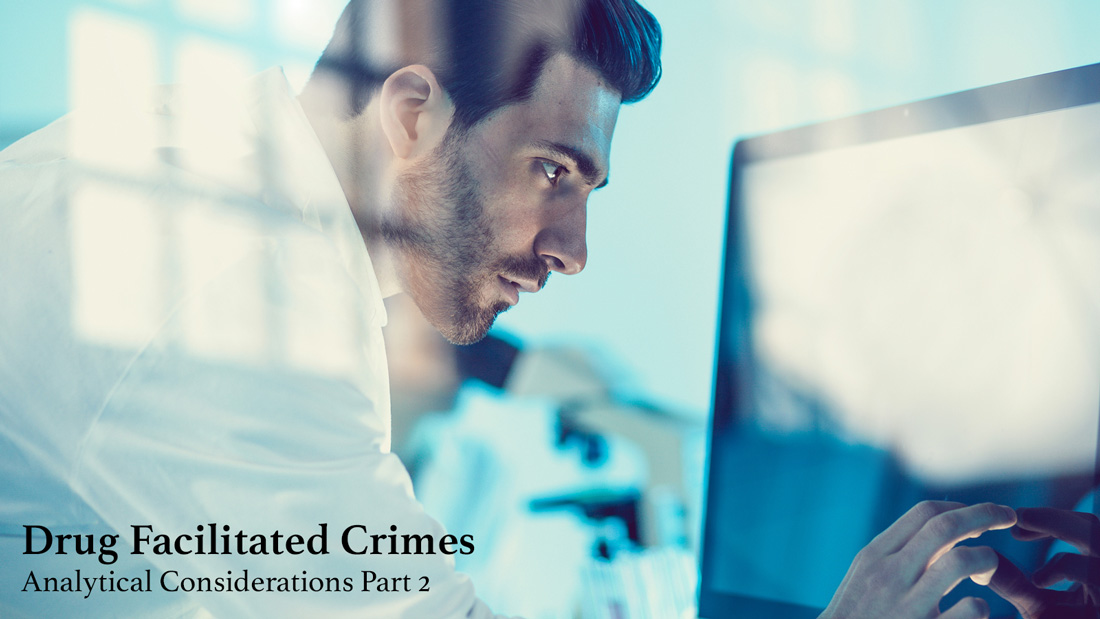
Drug Facilitated Crimes – Analytical Considerations Part 2 Here are some of the techniques that toxicologists and toxicology lawyers use to analyze blood and urine samples for poisonous organic compounds: Headspace Gas Chromatography: Gas chromatography (GC) is a technique used to detect and identify organic compounds that are volatile and…

The Cost of a DUI
The Impact of Alcohol Testing Alcohol testing has been used by law enforcement for many years in order to validate whether someone has been drinking alcohol before or while driving. The breathalyser is the most well-known tool that is used for this purpose, and a DUI is issued to an…
The Hair Print
Hair Testing in the Twenty-First Century Evidence at a crime scene has for many years been dependant on DNA evidence amongst other less significant evidence, such as clues, circumstantial evidence, as well as protein-based evidence. The use of hair testing in the solving of crime is beginning to take an…

Drug Facilitated Crimes – Analytical Considerations Part 1
Forensic Toxicology: Preferred strategies for DFCs Drug facilitated crimes (DFCs) and drug facilitated sexual assaults (DFSAs) represent some of the most challenging cases for those who work in the field of forensic toxicology. The investigation of these crimes requires forensic toxicologists to determine whether an ingested substance may have contributed…
The Controlled Substance Act
Okorie Okorocha’s Forensic Expertise in Legal Court Okorie Okorocha brings the specialized knowledge of toxicology to the court room, where the science of forensic toxicology functions as a witness alongside the legal system of the Controlled Substance Act. Forensic toxicologist experts simplify complex scientific concepts, and ensure that the correct…
Drug Facilitated Crimes – Evidence Collection
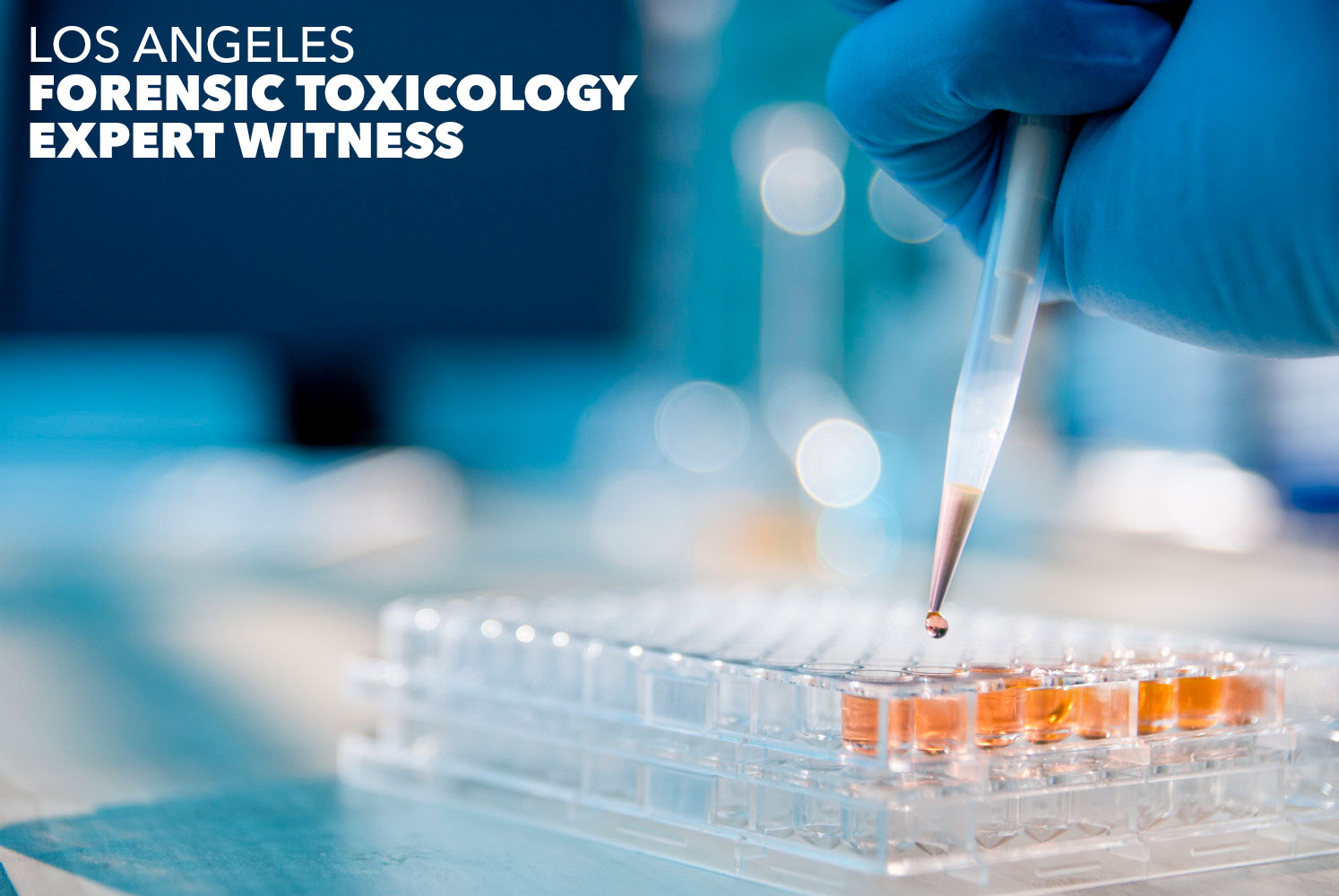
Forensic Toxicology | Strict Evidence Collection The value of forensic toxicology rests entirely on the sample evidence that is collected and applied to analytical chemistry. Drug-facilitated crimes (DFCs) have increased significantly in recent times, and so has the need for a forensic toxicologist expert. These crimes include robbery or assault…

Waiting to Exhale
Drug Testing – Don’t Hold Your Breath In California, there is a new drug testing apparatus on the block that law enforcement has taken a liking to. It is a breathalyzer that tests for the presence of marijuana in your system, for people who are driving while under the influence….
The Journey of The Drug Test
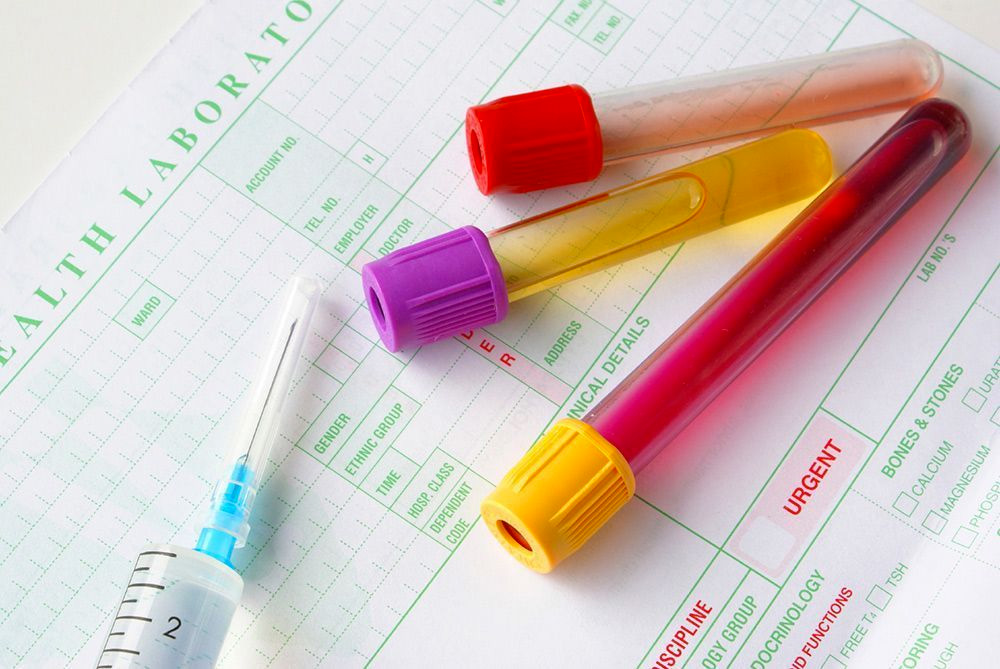
Urine and Blood Testing and How the Procedures Work Drug Testing Drug testing is incredibly important to ensuring that places of work and business are not compromised, and that people aren’t put into dangerous situations by coworkers who are impaired. Drug testing can take two approaches, either to check for…
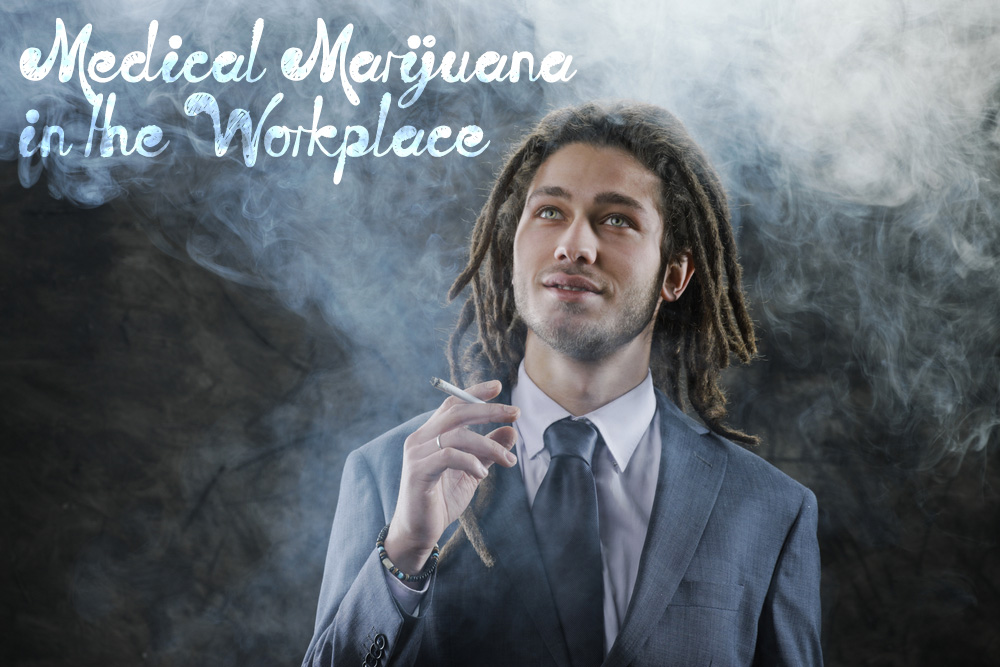
Medical Marijuana in the Workplace
Use a Forensic Lawyer to Tighten Up Your Drug Policies Medical Marijuana Medical marijuana is a relatively recent twist that employers now have to accommodate into their drug policy. With 17 states already having some form of medical marijuana implemented, forensic lawyers have been seeing an increase in employer-employee disputes…

An Introduction to Drug Facilitated Crimes
DFCs a Major Test For The Forensic Toxicology Field Under the banner of forensic science, forensic toxicology is a method to test for any drug or chemical present in bodily fluids and tissue. As part of an investigative team, the toxicologist will determine if substances in the body may have…
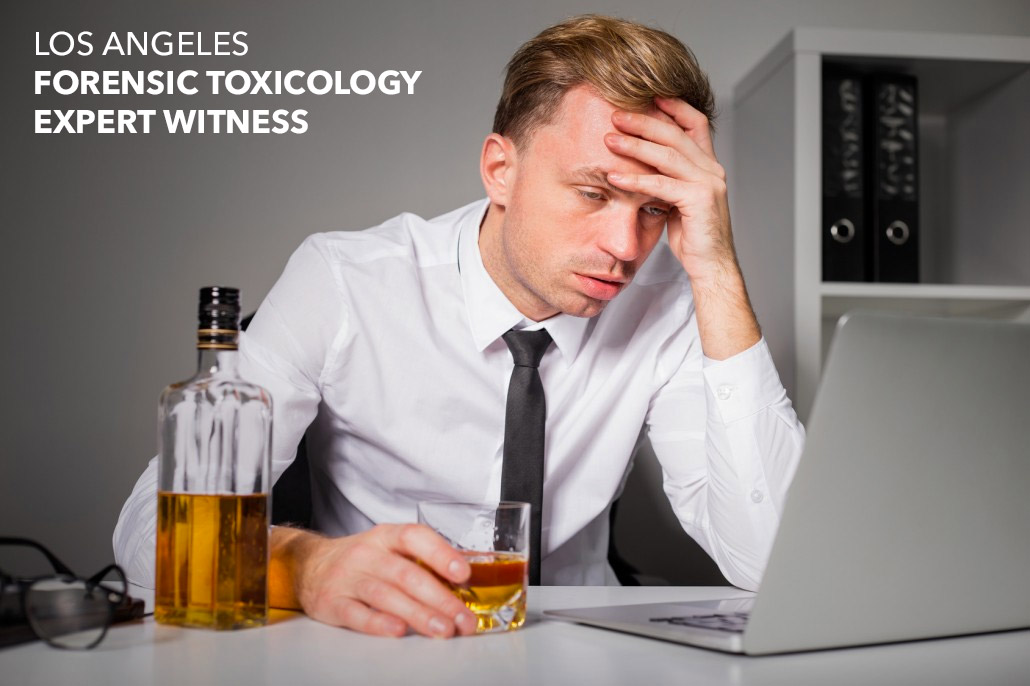
Alcohol and the Workplace
The Role of Alcohol Testing in the Workplace Today Since the introduction of the Federal Drug-Free Workplace Program in the late 1980s, drug and alcohol testing in the workplace has become a common phenomenon. Most companies implement at least some form of testing, whether it be to screen prospective employees…