Forensic Toxicology Blog
Evidence-based articles about toxicology, expert testimony, legal developments, alcohol, drugs, and forensic testing.
Dr. G. Simpson Rips A.W. Jones: Case Commentary and Key Dispute
In 1997, Dr. Simpson was searching the scientific literature on alcohol and discovered several irregularities in work by AW Jones. An article published by Jones and Neri [1] in 1991 stated that the experimental work was reported in an earlier article published by Kelly, Myrsten, Neri, and Rydberg…
Malibu Sniper Sentenced to 119 Years for Killing a Father
Congratulations to Nick Okorocha for his success in obtaining many acquittals in an impossible trial.
Dr. Vina Spiehler: Expert-Witness Credibility Concerns
This post argues that lawyers should not rely on Dr. Vina Spiehler as an expert witness and presents the author’s stated reasons, professional observations and supporting case context.
The Attorney Life: Demands, Strategy and Professional Reality
I was in my office one day and the receptionist said there was someone there to see me. I said, “tell him that I am busy, and he needs to make an appointment.” She calls back 30 seconds later and said “it is an FBI agent!” I said, “how do you know that?” She said, “I asked for ID, and he showed me…
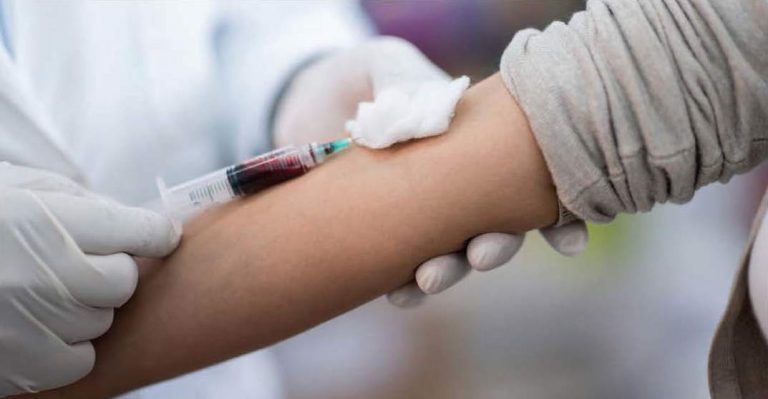
Alcohol Toxicology for Civil Lawyers: Evidence and Case Strategy
In April of 2021 Okorie Okorocha wrote an article on Alcohol toxicology for civil lawyers for “Advocate”

How Forensic Toxicologists Analyze Data
Forensic toxicology is a complex field revolving around the use of toxins, chemicals, and poisons, particularly pertaining to instances of crime or even death. It is important to understand the role that data can play in the outcomes of court cases where forensic toxicology comes into play.
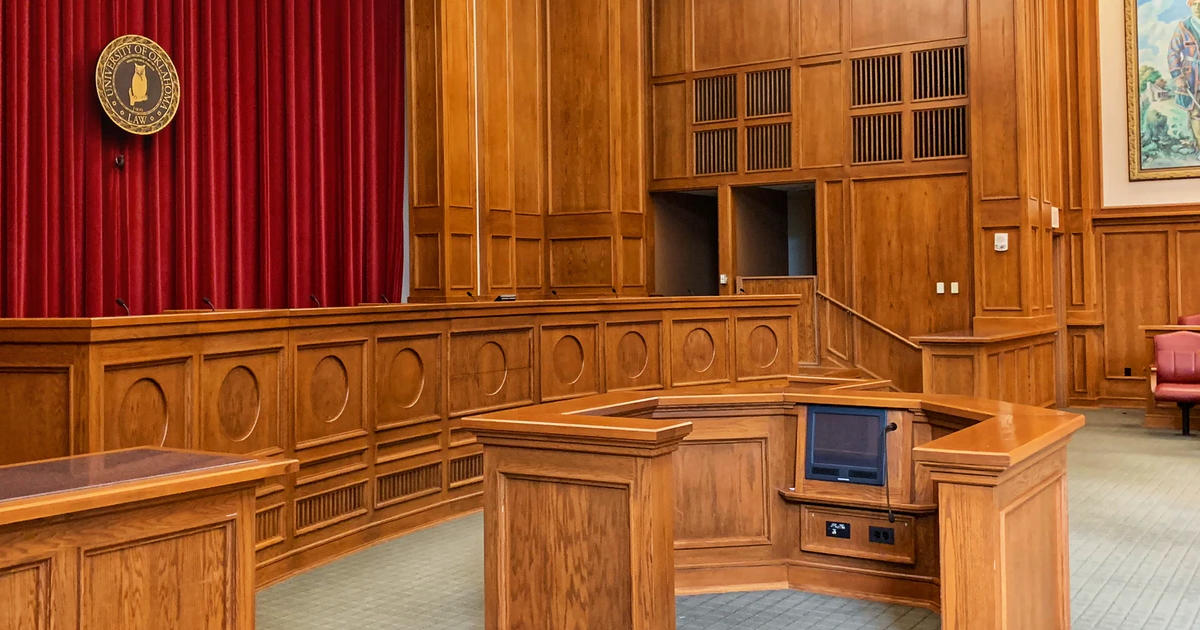
When Should a Lawyer Hire an Expert Witness?
In the simplest terms, an expert witness is a person who testifies in a trial because of their vast knowledge in a subject or field that is pertinent to the case.
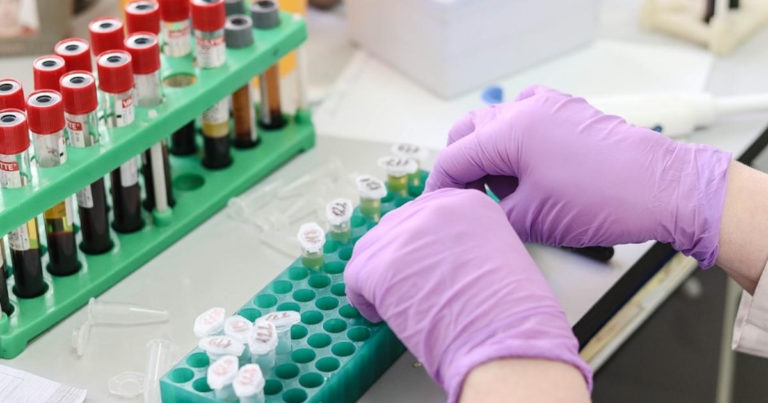
Forensic Toxicology Testing: Specimens, Methods and Interpretation
How forensic toxicology uses fit-for-purpose methods, different biological specimens, validation, quality control, and bounded interpretation of drug and alcohol results.
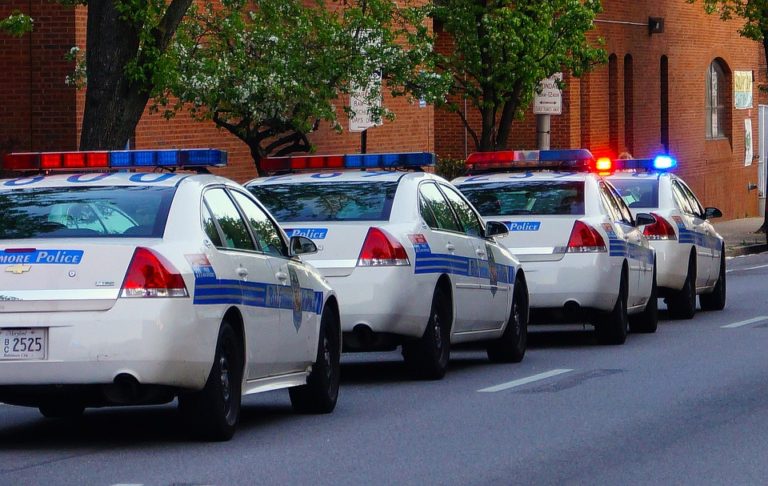
Why Police Field Drug Test Kits Produce False Positives
Police use a variety of “quick and reliable” drug tests that can easily be administered. But while they definitely are quick, they are not the most reliable. Despite concerns about inaccuracies, police field drug test kits are still used on a daily basis and contribute to false convictions.
When Toxicology Co-Counsel Can Strengthen a Case
Choosing the right counsel for your court case can be a difficult decision to make, and it involves careful deliberation to make sure you have the right assistance by your side.
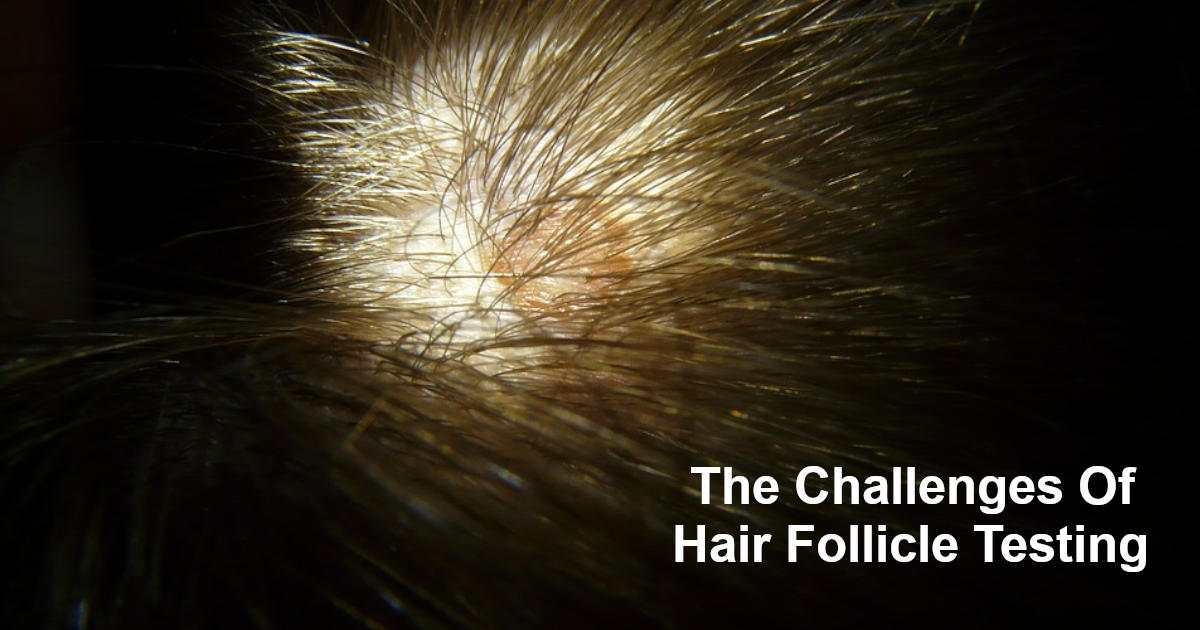
Hair Follicle Testing: Uses, Limits and Contamination Risks
Hair follicle testing has risen in use to over 200,000 drug tests per year in the U.S. This type of drug testing analyzes the hair shaft for drug metabolites, as opposed to analyzing bodily fluids such as urine or saliva which are used in most other types of drug testing .
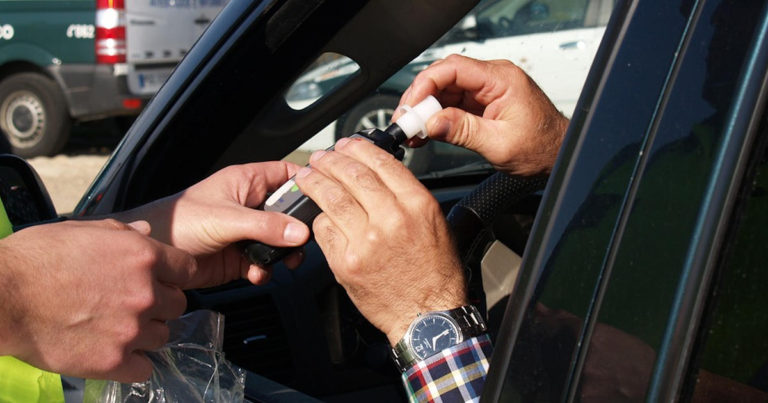
Breathalyzer Tests: Accuracy, Limitations and Legal Challenges
It’s not uncommon for law enforcement to use breathalyzer tests for estimating the blood alcohol content in a driver’s system. The controversial results of these tests are then used as a case for charging someone with a DUI.