Gunshot Residue Evidence: How It Helps or Hurts a Case
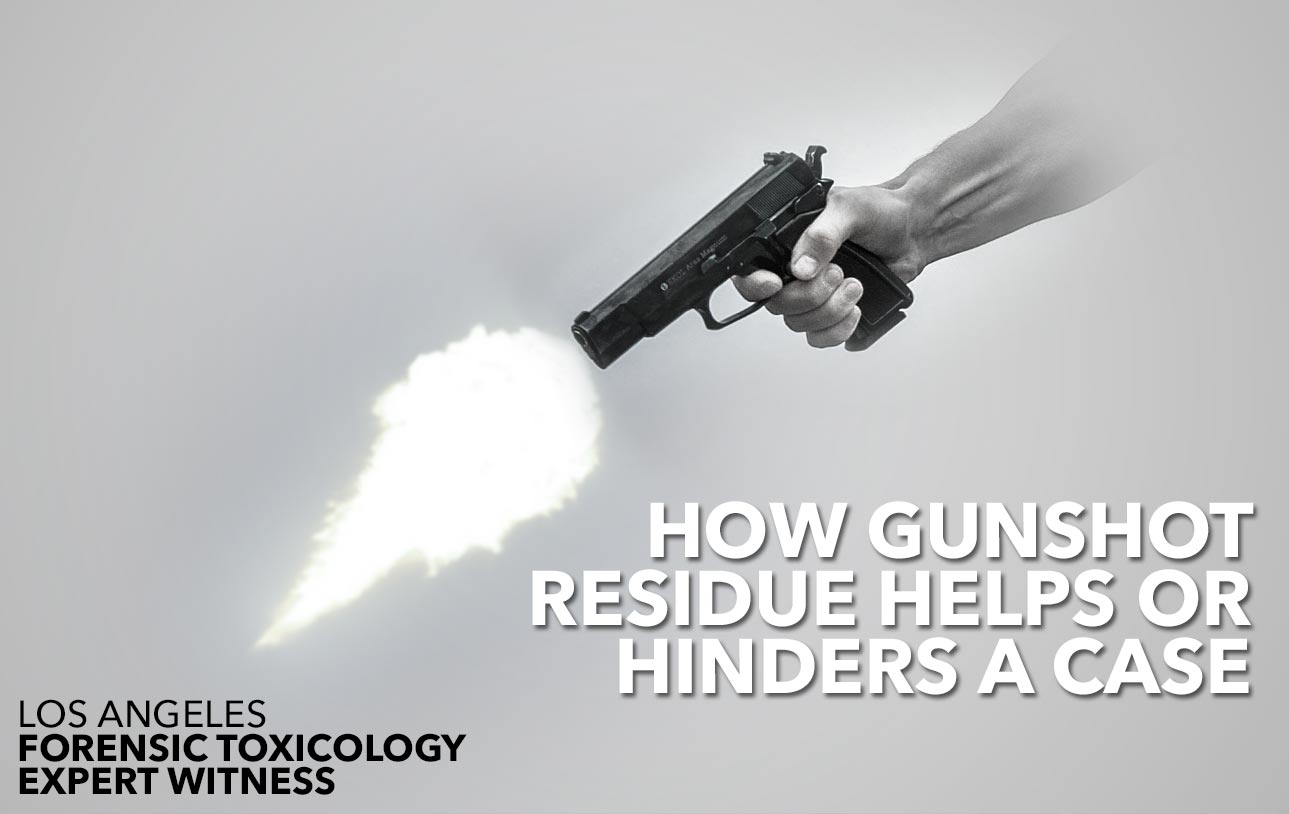
Article overview: This article explains Gunshot Residue Evidence: How It Helps or Hurts a Case and the scientific, legal or practical evidence readers should understand.
Once considered a critical piece of evidence within criminal trials, the reliability of using gunshot residue (GSR) as evidence has become a point of contention. This is mainly due to the possibility of tampering and the multiple factors by which someone could have exposure to the substance. In order to help you decide whether including gunshot residue would weaken or strengthen your case, Okorie Okorocha has provided more detail on the subject.What Is Gunshot Residue?
The trigger of a gun initiates an ignition of the gunpowder causing a pressured reaction to bolster the bullet out of the gun. A byproduct of this event is that certain compounds escape through the firing of the weapon. The main make up of this compound contains particles of lead, antinomy and barium, which combined form GSR. The residue can attach itself to the surroundings quite easily and is found on any nearby clothing, surfaces, or skin where the shot was fired.How Is Evidence Collected And Examined?
Residue from a gunshot fire can be collected from an object, surface, skin or clothes. The circumstances in which the residue could have originated are mainly limited to the following probabilities:- The person or object was fairly close to where the gunshot was fired.
- Subject may have touched an object/surface which already had residue present.
- The person triggered the gunshot.
Should You Include Gunshot Residue Analysis To Your Case?
You’ve received the results of the analysis and need to make a decision whether to include it as evidence or not; below is a list of considerations to note before making your final decision:- Reliability of the Test: Once a sufficient composition makeup of three main compounds have been found, the test is likely to be positive. The counter argument is that the same composition of particles could have been derived from fireworks, break dust or the subject visiting a shooting-range; undermining the reliability of the test.
- The Absence of GSR Does Mean the Subject is Not Implicated: This is due to the powder form of residue which can be dimmed or removed by simply washing objects, clothing or skin. This is why residue collected after more than six hours of the gun being fired could be considered unreliable.
- Particle Count of Residue: Because a positive test result is dependent on the composition of particles, it’s important to examine the particle count. If the particle count of the evidence (residue) presented is more than two thousand and found on skin, the likelihood of the subject being involved increases. Should the count be less than twenty, the residue could have transferred from contact with a police officer.
- Particle Shape: GSR normally follows a spheroid shape. If the particles do not resemble the shape, the residue could have resulted from other sources (like brake linings). Ask for evidence photos to review.
- Cross Contamination: The collection of the evidence is very important to prevent cross contamination. Police offices are encouraged to cover the suspects’ hands and items collected with evidence bags to prevent cross-contamination of the residue.
Authoritative sources and further reading
- NIST research on forensic trace evidence and gunshot residue
- NIST definition of gunshot residue
- NIST standards entry for gunshot-residue terminology
Related reading: For related context, read Expert Witness Qualifications Process, Forensic Attorney in A Virtual World. Browse the Expert Witness topic hub.