Drug Facilitated Crimes – Evidence Collection
Article overview: This article explains Drug Facilitated Crimes – Evidence Collection and the scientific, legal or practical evidence readers should understand.
SEO structure updated July 24, 2026.
How to collect evidence in drug-facilitated-crime cases
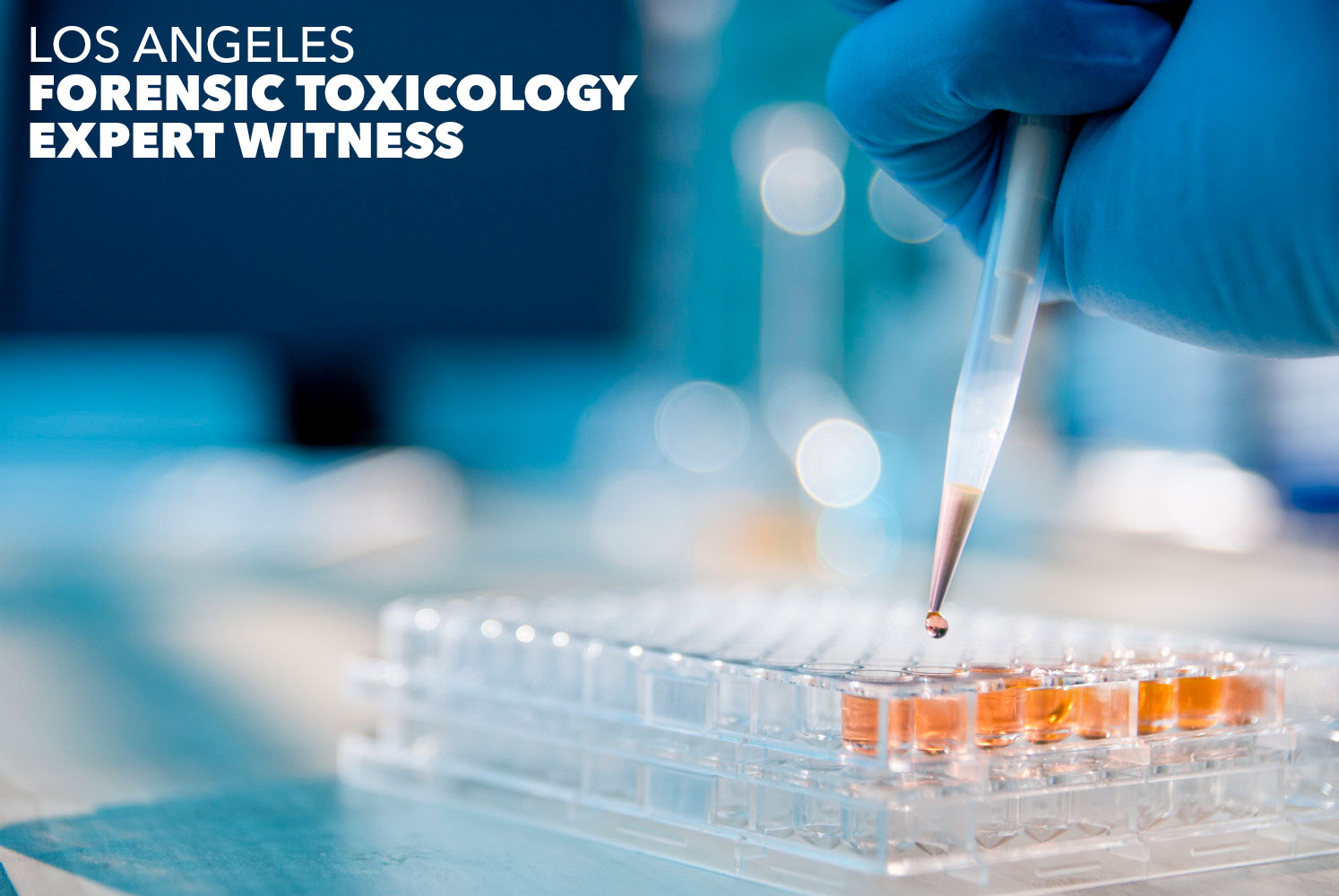
Forensic Toxicology | Strict Evidence Collection The value of forensic toxicology rests entirely on the sample evidence that is collected and applied to analytical chemistry. Drug-facilitated crimes (DFCs) have increased significantly in recent times, and so has the need for a forensic toxicologist expert. These crimes include robbery or assault whilst the victim is debilitated because of a drug (typically a strong central nervous suppressant). Biological samples, such as blood and urine, gathered as evidence for a DFC need to be collected as soon as possible, ideally before the victim consumes any medication. The samples need to be collected with an adequate evidence collection kit, properly labeled with date and time of collection, and the collector’s details. If the victim has consumed any medication prior to the sample collection, the type and dosage needs to be strictly documented. The collected evidence needs to be immediately sealed and stored correctly. Evidence Collection for Sexual Assault If the DFC does not include sexual assault, then normally only a urine and blood sample are needed from the victim. If the assault was sexual, more evidence is needed. Evidence collection kits for cases involving sexual assault should additionally include the likes of sterile DNA free swabs for body cavities and surfaces, physiological saline solution for vaginal or anal rinsing, and wooden applicators to collect evidence from under nails. All biological evidence that is collected needs to be secured, and stored at 2 – 8°C (35 – 46°F) Various biological substances collected for evidence Any given time-frames are just guidelines and ability to detect the drugs in the system is not guaranteed; especially four to five days after ingestion.- Urine. Urine is usually the specimen of choice for a toxicological investigation. If collected as evidence, it needs to happen within the first 120 hours after assault. A minimum of 50 ml is to be collected in at least two sterile containers, and stored at 2 – 8°C (35 – 46°F). The samples are to be analyzed within the first 24 hours of collection (or stored at -18°C / 64°F).
- Blood. Blood should be collected with disposable syringes within 48 hours of the incident. The storage instructions are the same as urine. If the samples are to be frozen for future use, any blood plasma centrifugation from blood cells needed for analysis needs to happen before freezing.
- Head hair. In the case of late reporting, or chronic exposure to a drug needs to be assessed, at least two hair samples should be collected within four weeks after the assault. The sample must be taken from as close to the scalp as possible. In the case of a shaven head; pubic, underarm, torso or leg hair can be taken for analysis. Hair samples should be stored at room temperature, in a dry and light-protected environment.
- Vomit is another biological substance that, if a drug is not fully absorbed before vomiting, can detect drugs in relatively high amounts.
Evidence-collection guidance for drug-facilitated crimes
- National Protocol for Sexual Assault Medical Forensic Examinations — current national protocol covering toxicology evidence collection and preservation.
- SAFEta medical-forensic-history guidance — evidence-history questions and timing considerations when alcohol- or drug-facilitation is suspected.
- UNODC forensic-analysis guidelines — specimen, storage, analytical and interpretive guidance for drug-facilitated-crime evidence.
- National Institute of Justice: Toxicological Evidence in Sexual Assault Investigations — explains collection, analysis and limitations of toxicological evidence.
Related reading: For related context, read Waiting to Exhale, Medical Marijuana in the Workplace, The Journey of The Drug Test. Browse the Forensic Toxicology topic hub.