Beware of Breath Tests
Article overview: This article explains Beware of Breath Tests and the scientific, legal or practical evidence readers should understand.
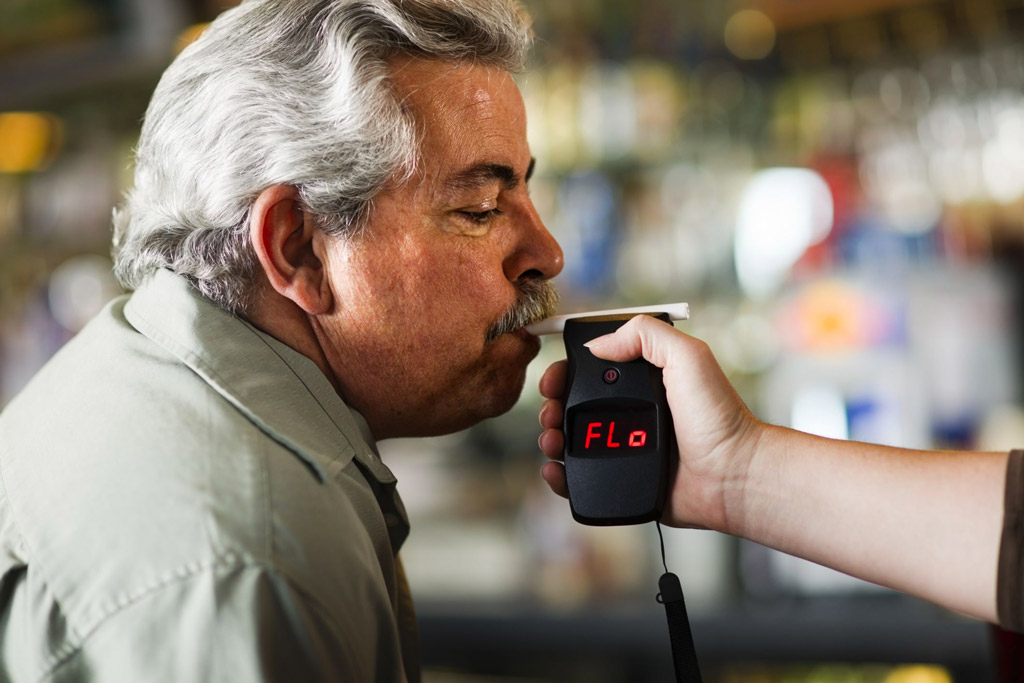
Breath Tests Are More Prone to Error Than Blood Tests Breath tests have for years been used in courts in which to assess whether a person is under the influence or has exceeded the legal alcohol limit. As such it is the most commonly used method for testing blood alcohol level when it comes to forensic toxicology in Driving under the influence (DUI) investigations. In stark contrast to blood tests, testing someone’s breath is a simple, cost-effective and non-invasive procedure. Moreover it takes all but a minute to complete. Despite these seemingly advantageous aspects of the breath test, studies have found that the reliability of these tests may have been exaggerated. In fact it was Emil Bogan who first discovered one of the principal flaws in the breath test way back in 1927. Almost 90 years have passed and his observations are still credible. More recently Dr Hlastala published a peer reviewed scientific article in which he proves that the breath test improperly relies on the assumption that the air one exhales accurately reflects the alveolar which is supposed to be measured He further mentions that several studies have been done by scientists and forensic toxicologists to show that this is not the case. Rather, due to the anatomical structure of the lungs, the breath alcohol concentration can be influenced by a variety of factors such as lung volume, body temperature, breath temperature, body size, and blood hematocrits. Ronald MacGregor is also of the opinion that the breath test for alcohol is flawed. He adds more factors that could have an influence on the alcohol level reflected in the blood test. These are (among others):- whether or not the test taker is on a diet or is a diabetic
- whether or not the test taker works with certain material such as paint, ethers, lacquer or other alcohol
- the presence of mouth alcohol
- acid reflux
- whether or not the test taker is a longterm smoker
Related reading: Review the breath-test source records needed for scientific review, the Kitagawa balloon test history and limitations, and blood versus breath testing. Browse the Forensic Toxicology topic hub.