Category: Forensic Toxicology
Vehicle Code Section 21221: What Actually Applies to a Motorized Scooter Rider

California Vehicle Code section 21221 applies driver rules to scooter riders, while section 21221.5 creates a separate $250 under-the-influence offense.
An E-Bike Is Not a Motor Vehicle: Beale v. DMV Bars Refusal Suspensions

Beale v. DMV held that California cannot suspend a driver’s license for chemical-test refusal arising from an electric-bicycle ride. Analysis of the ruling, controlling statutes, limits, and defense strategy.
Concentration Is Not Impairment: THC Blood Levels in California Driving Cases

California has no per se THC limit, and the pharmacology explains why. Blood THC falls fastest when effect is still rising, and frequent users carry measurable levels long after any effect.
“They Are Not Tests of Driving” — What the Field Sobriety Tests Actually Measure

The woman who built the Standardized Field Sobriety Tests testified under oath that they do not measure driving. A forensic toxicology review of the science behind HGN, the Walk-and-Turn, and the One-Leg Stand.
California Dual Employment: Working for a Competitor

California generally voids employee noncompete agreements, but that does not necessarily prevent an at-will employer from terminating a worker who simultaneously works for a competitor. The result depends on duties of loyalty, trade-secret conduct, contract terms and other statutory protections.
The Okorocha Mid-Year Street Drug Report of 2026
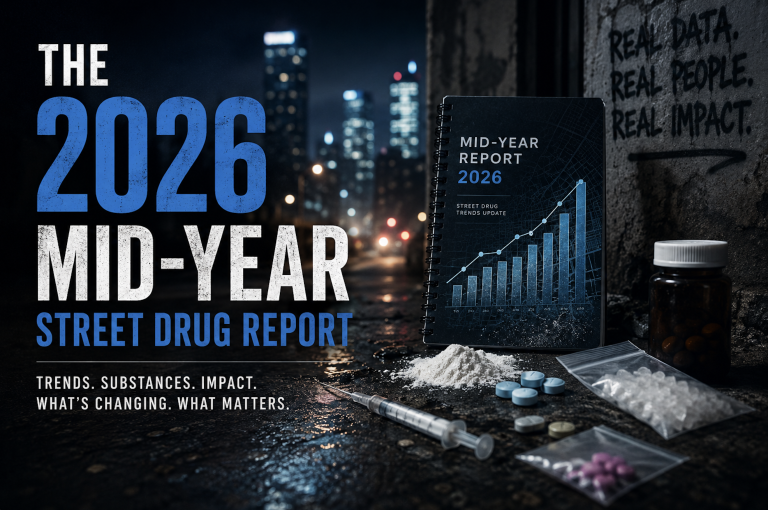
No credible dataset measures the quantity of illicit drugs actually sold in the United States at the state or national level. Seizures reflect enforcement activity, forensic identifications reflect laboratory submissions, and the only defensible national market-size estimate covers 2006–2016. The…
Medetomidine in the Fentanyl Supply: Risks and Testing
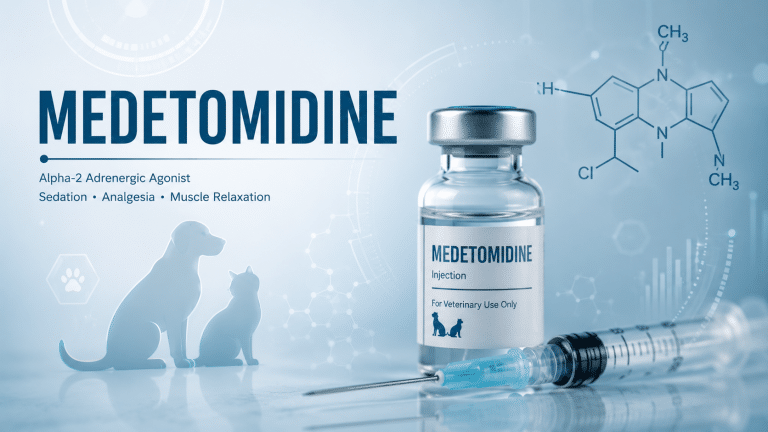
Short answer: Medetomidine is a veterinary sedative now appearing in parts of the illegal fentanyl supply. It can deepen sedation, slow the heart, lower blood pressure, complicate overdose care, and cause a severe withdrawal syndrome. It is not approved for human use. Reviewed and updated July 24, 2026. What is…
Kratom and 7-OH in 2026: Evidence, Risks and Regulation
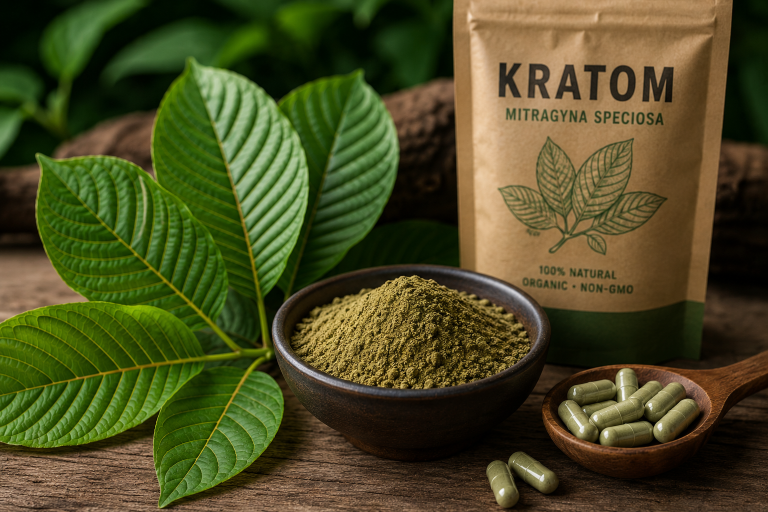
Short answer: Kratom is a plant whose main alkaloid, mitragynine, acts on several biological systems, including opioid receptors. No kratom product is FDA-approved to diagnose, treat, cure, or prevent a disease. Concentrated 7-hydroxymitragynine products can present different and potentially greater risks than traditional leaf preparations. Reviewed and updated July 24,…
Ed Barley’s Alleged No-Shows Leave L.A. County Defenders Scrambling

Public defenders have repeatedly contacted the author after Ed Barley allegedly failed to appear for court-authorized expert work, leaving defense teams scrambling despite county-paid appointments. This post argues that the pattern makes Barley unreliable.
Acetaldehyde in Blood-Alcohol Testing: What It Means

Short answer: Acetaldehyde can be detected in blood specimens, especially when decomposition, storage, or analytical conditions are relevant. Its presence does not by itself prove that ethanol formed after death, that a blood-alcohol result is false, or that fermentation occurred. Reviewed and updated July 24, 2026. What is acetaldehyde? Acetaldehyde…
Why Smart People Believe Irrational Things
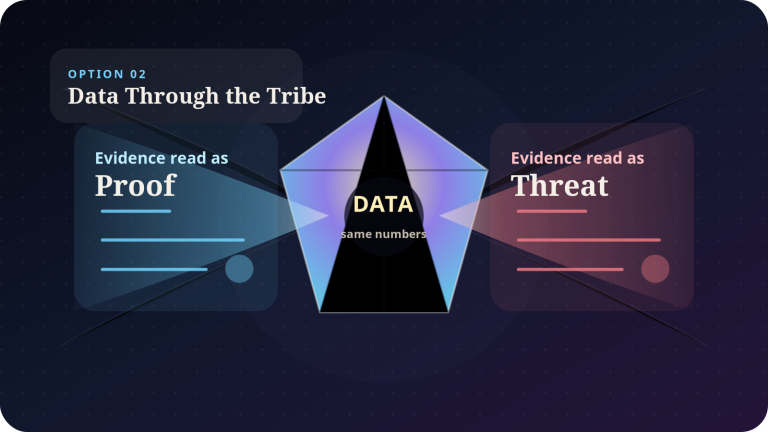
Short answer: Intelligence can make complex reasoning easier, but it does not guarantee accurate starting assumptions, relevant knowledge, intellectual humility, or a willingness to question a favored conclusion. Smart people can be skilled at defending a belief as well as testing it. Reviewed and updated July 24, 2026. Intelligence and…
Suboxone and Tooth Decay: FDA Warning and Prevention
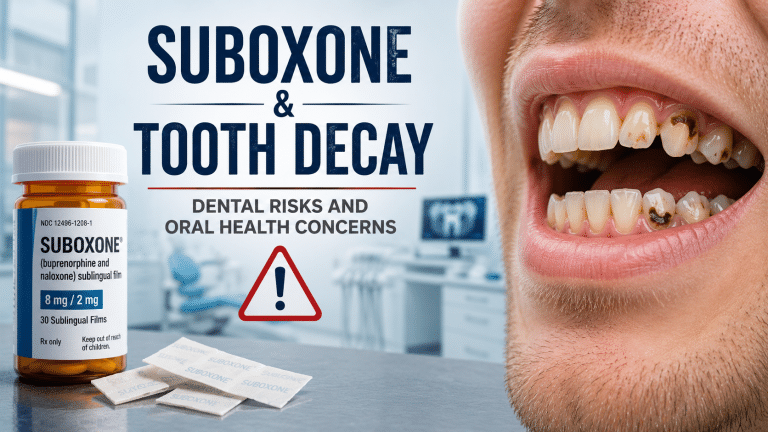
Short answer: Suboxone and other buprenorphine medicines that dissolve in the mouth have been linked to cavities, tooth erosion, infection, fractures, and tooth loss. The FDA emphasizes that buprenorphine’s benefits for opioid use disorder clearly outweigh this risk. Do not stop it on your own. Reviewed and updated July 24,…