Different Types of Samples Used by a Forensic Toxicologist
Article overview: This article explains Different Types of Samples Used by a Forensic Toxicologist and the scientific, legal or practical evidence readers should understand.
SEO structure updated July 24, 2026.
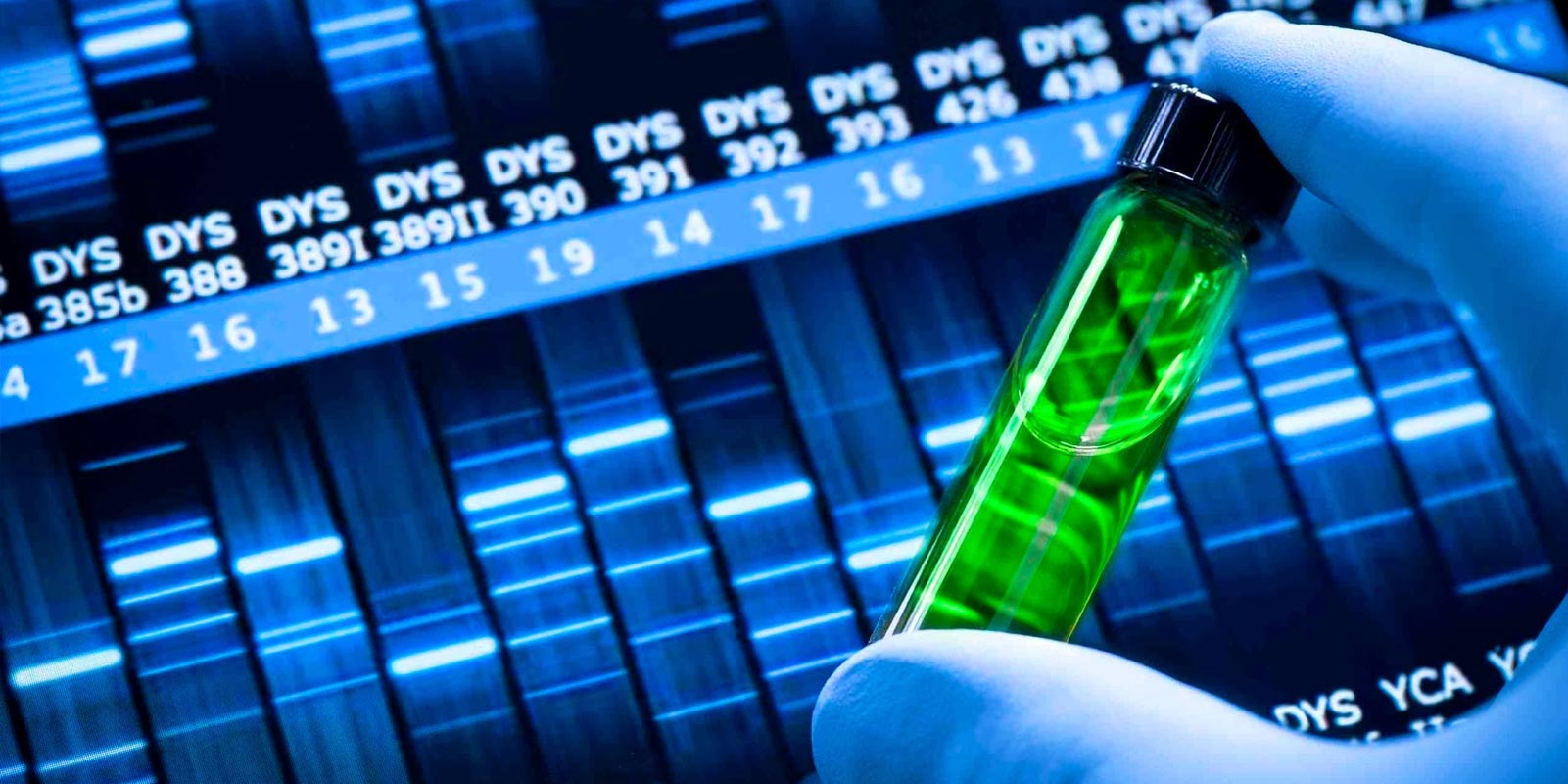
Forensic Toxicologists and The Samples They Use The law has come a long way since the first fingerprint was used to link a suspect to the scene of a crime. It’s unlikely anyone a century ago could have predicted the role of a forensic toxicologist and how their field has shaped the criminal justice system. Yet even with the plethora of cop shows on TV today, if you had to ask someone on the street what kind of evidence a forensic toxicologist works with you’d likely get an answer as informative as one from the Sherlock Holmes era. This article looks at the different kinds of evidence toxicology experts work with to help you best decide whether hiring a forensic toxicologist might be beneficial to your case. So What Exactly is Forensic Toxicology? Broadly put, toxicology is a scientific field dedicated towards examining the existence of foreign substances within the human body, as well as their effects. More specifically, forensic toxicologists are interested in whether those substances may have played any kind of role in the perpetration of a criminal offence. The role of any given substance can be causative – for example in determining whether the body of a deceased contained lethal traces of a substance likely to have resulted in their death – or may be contributory – in the case of a suspected drunk driver having reduced capability, resulting in dangerous driving patterns or even a motor-vehicle accident. There are different kinds of samples used by forensic toxicologists to determine the presence or effect of a particular substance, and it’s not hard to see how examining these can have massive legal ramifications towards the outcome of a particular case. It’s in the Blood Perhaps the most commonly examined substance used for sampling by forensic toxicologists is blood. Blood is advantageous as it can be tested for a wide variety of known substances including alcohol, scheduled pharmaceuticals and unlawful narcotics. Another factor in this regard is that blood sample collection is seen as a relatively simple and non-invasive procedure. A needle is used and a small quantity taken, which can then be stored for analysis purposes. Blood is also especially useful for determining recent ingestion of a particular chemical and is therefore favored by law-enforcement officials for determining alcohol-related driving offences – using a measure known as BAC (Blood-Alcohol Concentration) to determine illegality. However these officials are known to make mistakes, and private toxicologists are frequently hired to provide expert testimony for the defense. Urine for Trouble Forensic toxicologists also frequently use urine as a sample for measuring chemical presence and levels in the human body. As one can imagine, collection of urine samples is even less complicated and invasive than blood samples, although security procedures are usually balanced against an individual’s privacy rights to ensure that the correct sample (rather than that from a 3rd party) is collected. Unlike blood however, urine is less useful for determining recency so much as the continued or habitual presence of a chemical in the body. This is because urine analysis is focused on isolating the presence of metabolites, which have been broken down by the body during the preceding ingestion of a substance and therefore emitted as waste. This is why urine samples are most frequently used in drug-related offences. Other Notables Various other bodily substances are used less frequently (sometimes for post-mortem analysis, sometimes due to procedural invasiveness) in chemical analysis. Hair is one substance that, like urine, is useful to toxicologists for determining habitual intake of a chemical, as traces are stored for long periods of time. Another is a gel-like fluid found in the eye referred to as vitreous humor. The latter is similar to blood in that it can be used to determine BAC levels, however for obvious reasons is only collected in post-mortem (death) cases.Why specimen choice changes the answer
Blood, urine, hair, oral fluid, vitreous fluid and tissue are not interchangeable. Each specimen reflects a different biological window and supports different conclusions, so choosing the wrong sample can make even technically accurate testing irrelevant to the legal question.
Continue with the forensic-toxicology foundation guide.
Standards for toxicology specimen selection and preservation
- SAMHSA drug-testing resources
- SAMHSA TAP 32 clinical drug-testing guide
- NIST overview of the forensic-toxicology blood-testing standard
Related reading: For related context, read The Importance of an Expert Witness, Lamotrigine and Stevens-Johnson Syndrome: Warning Signs. Browse the Forensic Toxicology topic hub.