Forensic Toxicology Testing: Specimens, Methods and Interpretation
THE OKOROCHA FIRM*
Content notice: Scientific and toxicology content on this site was written by non-toxicologist marketing staff at Connectica, LLC. It has not been verified for accuracy by a trained forensic toxicologist. Read the full Content Disclaimer.
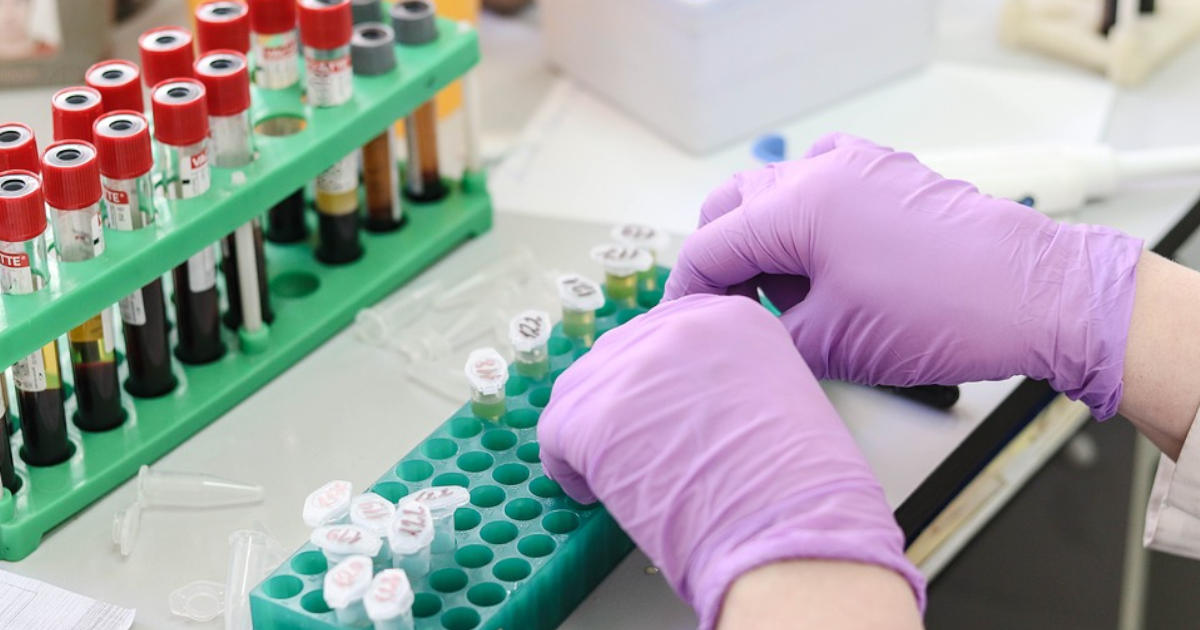
Updated August 29, 2026. Forensic toxicology applies analytical chemistry, pharmacology, and quality systems to questions involving drugs, alcohol, poisons, and biological specimens. A reliable conclusion depends on the question, specimen, method, validation, records, and interpretation, not simply on using sophisticated equipment.
What does forensic toxicology examine?
Common applications include postmortem toxicology, impaired-driving and other human-performance investigations, drug-facilitated-crime testing, workplace or court-ordered drug testing, and analysis of suspected nonfatal poisoning. Each application has a different purpose and may require different specimens, detection limits, drug scope, and interpretive cautions.
Forensic toxicology is distinct from DNA analysis, firearms examination, digital forensics, and other forensic disciplines. Those evidence types may appear in the same case, but they are not toxicology methods.
Start with the question, not the instrument
A laboratory method must be fit for its intended use. “Was a drug previously used?” differs from “Was the person impaired at a particular time?” “What substances were present after death?” differs from “Did a prescribed drug comply with a workplace program?” The analytical plan should match the actual question.
ANSI/ASB Standard 036 describes minimum practices for validating forensic-toxicology methods that target specific analytes or analyte classes. Validation addresses whether a method is reliable for its defined purpose. Relevant characteristics can include selectivity, sensitivity, calibration, accuracy, precision, carryover, interference, stability, and matrix effects.
Specimen choice changes what can be concluded
Blood
Blood is often used when the concentration near a particular event matters. Even then, collection time, tube type, preservative, storage, redistribution after death, tolerance, active metabolites, and the relationship between concentration and effect must be considered. A concentration is not automatically proof of impairment.
Urine
Urine commonly supports detection of prior exposure because drugs or metabolites may remain detectable after blood concentrations have fallen. The result ordinarily does not establish the dose, exact time of use, or impairment. The panel, cutoff, specimen validity, and distinction between presumptive screening and definitive confirmation are essential.
Oral fluid
Oral fluid can be useful for recent-exposure questions and is used in some testing programs. Performance varies by drug, collection device, specimen volume, contamination, cutoff, and confirmation method. Oral-fluid and blood concentrations are not interchangeable.
Hair and nails
Keratinized specimens may provide a longer retrospective window, but interpretation can be affected by growth rate, cosmetic treatment, external contamination, wash procedures, pigmentation, segment length, incorporation mechanism, and the drug or metabolite selected. A fixed “90-day” window is not universal.
Sweat
Sweat patches can collect excreted compounds over the wear period. Interpretation requires attention to patch application and removal, adhesion, environmental contamination, wear duration, storage, analytical cutoff, and the target compound.
Screening, identification, and quantitation
Screening methods are designed to identify samples that may contain a target drug or class. Immunoassays are common because they are rapid, but cross-reactivity and incomplete drug coverage can produce presumptive positives or false negatives.
Identification uses analytical criteria to support the presence of a particular compound. Chromatographic separation combined with mass spectrometry is widely used because it can provide greater specificity, but the method must still be validated and its acceptance criteria met.
Quantitation estimates concentration within a validated calibration range. A numerical result is not self-interpreting. Measurement uncertainty, reporting limits, specimen timing, pharmacokinetics, tolerance, interactions, and case circumstances can affect its meaning.
Quality records matter as much as the final report
- Case request, analytical scope, and target analyte list
- Collection, labeling, sealing, transport, accession, and storage records
- Method validation and verification records
- Standard operating procedures and acceptance criteria
- Calibrators, controls, blanks, internal standards, and batch sequence
- Instrument maintenance, tuning, carryover, and raw data
- Calculations, dilution records, review notes, and amended reports
- Proficiency testing, accreditation scope, and analyst qualifications
What a toxicology result does not automatically prove
- That every relevant drug was included in the test menu
- That a presumptive screen identified a specific compound
- That a detected drug was taken illegally or contrary to a prescription
- The exact dose, route, source, or time of administration
- That the person was impaired at a particular time
- That the detected substance caused an observed event or death
- That the laboratory process was error-free
Standards and primary sources
- Academy Standards Board. ANSI/ASB Standard 036: Standard Practices for Method Validation in Forensic Toxicology.
- National Institute of Standards and Technology. OSAC Registry entry for ANSI/ASB Standard 036-19.
- Scientific Working Group for Forensic Toxicology. Standard practices for method validation in forensic toxicology. Journal of Analytical Toxicology. 2013;37(7):452-474. doi:10.1093/jat/bkt054.
- Verstraete AG. Detection times of drugs of abuse in blood, urine, and oral fluid. Therapeutic Drug Monitoring. 2004;26(2):200-205. doi:10.1097/00007691-200404000-00020.
- American College of Medical Toxicology. Interpretation of Urine Opiate and Opioid Tests. Journal of Medical Toxicology. 2022;18(2):176-179.
- Substance Abuse and Mental Health Services Administration. Drug-testing resources and laboratory guidance.
Related reading: See Urine Drug Testing: Reliability, Detection Windows and Interpretation, Positive Drug Test vs. Impairment, Forensic Toxicology Case Review Checklist, and the Forensic Toxicology topic hub.
This page is general informational and marketing content. It is not legal advice, expert opinion, or a statement of scientific fact. Case-specific interpretation requires the complete record and consultation with a qualified forensic toxicologist or licensed attorney.