How Safe is Your Sample?
Article overview: This article explains How Safe is Your Sample? and the scientific, legal or practical evidence readers should understand.
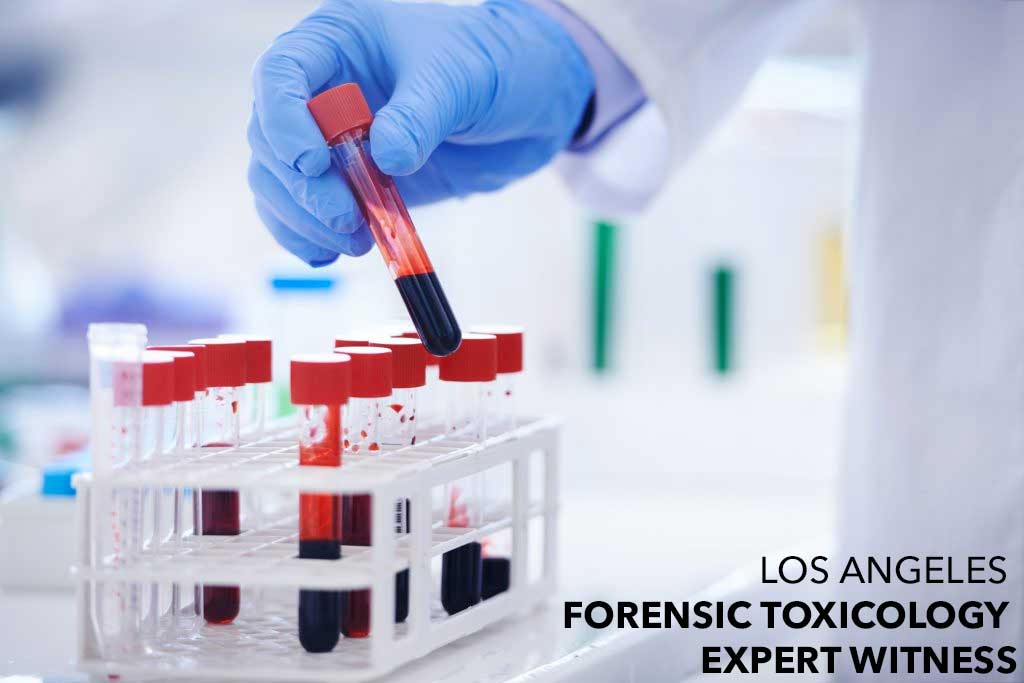
How safe is your sample when taken for hospital blood testing? Will your blood test be tampered with? Are lab staff and police trustworthy and responsible? Are professional and mechanical skill trustworthy counterparts when your blood test is in question? As seasoned professionals in this field we can tell you that although modern tech and machinery are used to lower chances of potential human error in hospital blood testing, it is not advised to rule out all room for error. Contamination and false positives are two issues that could arise with your blood test. Contamination of blood tests is a frequent problem in any hospital. Although contamination of results is not necessarily an issue brought about by human error, contamination by human error is not uncommon. Hospital Lluís Alcanyís partook in a 6-month study regarding the contamination of blood tests. Among all 563 test requests in that 6-month period, 92 tests were found to be contaminated. That leads to a contamination rate of 16.31%. The determining factor for contamination was the use of low-level contamination technique – a human inflicted error. Another stat worth paying mind to is that the American Society for Microbiology states the contamination levels of samples should not exceed 3%. This refers to the level of contamination per sample, a ruling given 3% leeway as forensics remains a fragile field of expertise. Regardless it is reported that contamination levels of a sample may often exceed 7%. Additional difficulties regarding blood tests would be false positives e.g. Poppy seed being an ingredient in opium can be misleading in blood tests. Poppy seeds are abundant in a variety of foods. When consumed, it could be mistaken for unlawful substances as the aforementioned. Alcohol components can often deceptively correspond to those commonly found in its medicinal counterparts. However, because of the awareness of false positives, forensic toxicologists are specifically assigned to investigate results produced by clinical chemistry analyzers in order to either ascertain any founding results or detect a false positive. In the UK DNA profiles from innocent people were being stored indefinitely until the European court of human rights ruled that this was a breach of human rights. Now more than a million people’s profiles have been removed from the database. To protect privacy individual samples can be bar-coded to prevent laboratory staff from knowing who’s they are. Okorie Okorocha is often retained for his skills in toxicology and forensic science related issues. He holds the honor of his peers considering him in the top 100 National Black Lawyers, and in the 2016 ASLA top 40 lawyers under 40. Should you contact us, we will be able to offer our services to you. The content of this article is provided by Connectica, LLC and has not been reviewed by a toxicology expert witness.What makes a forensic specimen defensible
A defensible specimen requires documented collection, seals, identity, transfers, storage conditions and laboratory receipt. Chain of custody cannot prove the analytical method was correct, but unexplained handling gaps can undermine confidence before testing even begins.
Continue with the guide to forensic-toxicology specimens.
Related reading: For related context, read Drug Facilitated Crimes Series – Result Interpretation, Drug Facilitated Crimes Series – Analytical Considerations Part 3.. Browse the Forensic Toxicology topic hub.