Cheating a Drug Test
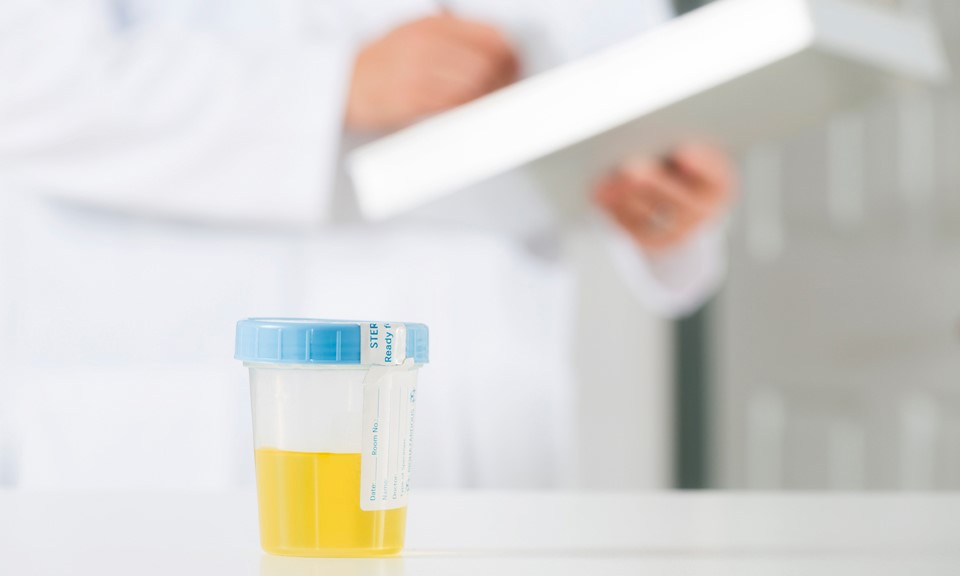
Article overview: This article explains Cheating a Drug Test and the scientific, legal or practical evidence readers should understand.
Not So Easy to Beat Urine Drug Testing According to a recent study published in The American Journal on Addictions, 48.2% of respondents have undergone some kind of workplace drug testing 1. With so many companies carrying out mandatory drug testing, many job-seekers and employees are turning to furtive methods to mask the presence of drugs in their systems. Urinalysis is the most common form of drug testing, as a sample can be taken on-site at the workplace or at a doctor’s office 2. There are three main ways that test takers will try to cheat the urine test: dilution, substitution, and adulteration. Dilution Many cheaters try to dilute their urine, in the hopes that the amount of drug particulates in the urine sample will be so small that they will be virtually undetectable or negligible. Intentional dilution refers to adding water directly to the urine sample, whereas unintentional dilution occurs when the test-taker drinks a large quantity of water before the drug test 3. However, many drug testing facilities (like the doctor’s office) take precautions against dilution. Test takers are not allowed to take any personal belongings into the testing area with them, and the toilet at which the sample is taken may have blue dye in the water, for example. Neither intentional nor unintentional dilution can guarantee that the presence of drugs will not be detected in the urine sample 4. In fact, most laboratories measure “the specific gravity, pH, creatinine levels, and temperature” of the urine sample. Thus the toxicologist will notice that the urine is diluted – raising a red flag. Substitution Urine substitution can refer to passing off someone else’s urine as the test taker’s, or using any number of “fake urine” products on the market nowadays. In both instances, the cheater will usually strap a small bag of urine to their body, and pour it into the sample cup. However, many drug test supervisors will actually stand outside the bathroom listening for the usual sounds of urination. Synthetic urine substitutes often contain other chemicals (not typically found in urine) which can be detected in the lab. Substitution also requires the cheater to know about the drug test ahead of time, so employees may schedule surprise tests to prevent urine substitution. Adulteration Adulterating the urine sample is a common form of drug test cheating. People will often use bleach, eye drops, salt, or other substances 5 to tamper with the urine sample, ultimately ruining the sample and masking the presence of drugs. Again, toxicologists can easily detect these other substances, and will quickly know that the sample has been adulterated. The Real Solution? While some cheaters swear by detox teas, or raising one’s metabolism by increasing their exercise regime, these cannot guarantee a clean urine sample. The best way to pass a drug test is to be drug-free! REFERENCES 1 William C. Becker, Salimah Meghani, Jeanette M. Tetrault, and David A. Fiellin, “Racial/ethnic differences in report of drug testing practices at the workplace level in the U.S.” The American Journal on Addictions 23.4 (July/August 2014): 357 – 362. DOI: 10.1111/j.1521-0391.2013.12109.x 2 “Workplace Drug Testing,” Drug and Alcohol Testing Industry Association, http://www.datia.org/datia-resources/27-credentialing/cpc-and-cpct/931-workplace-drug-testing.html 3 “How to Beat a Drug Test,” OHS Health and Safety Services, 2016, http://www.ohsinc.com/info/how-to-cheat-a-drug-test/ 4 Ibid. 5 Ibid.Why defeating a drug test is not a reliable strategy
Adulteration and substitution methods are inconsistent, detectable and capable of creating additional legal or employment consequences. The scientifically sound approach is to examine specimen validity, screening specificity, confirmation, chain of custody and legitimate alternative explanations.
Continue with the difference between drug screening and confirmation.
Related reading: For related context, read Understanding Pharmacogenetic Variability, Understanding Pharmacokinetic Variability. Browse the Forensic Toxicology topic hub.



