Why Smart People Believe Irrational Things
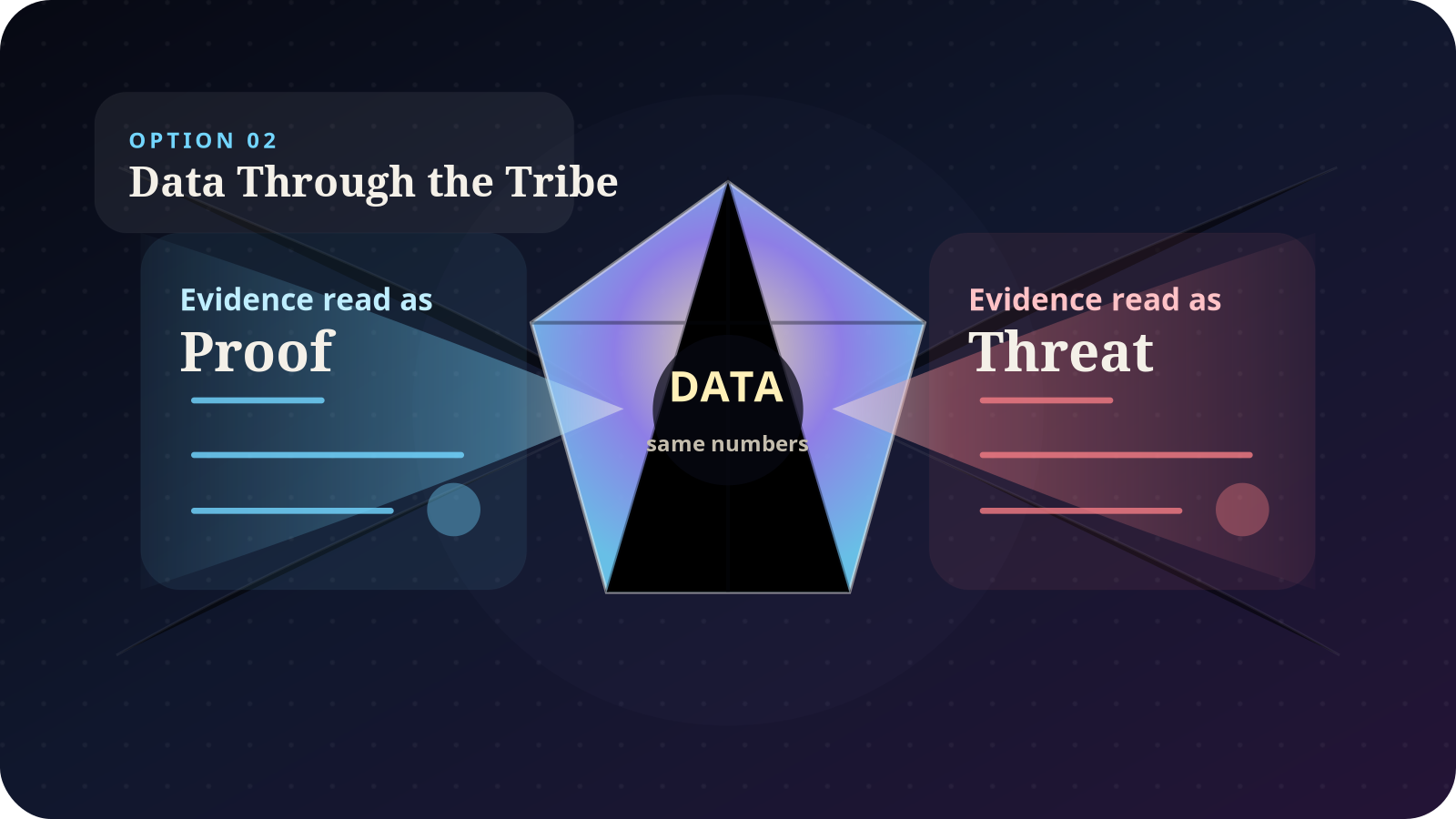
Short answer: Intelligence can make complex reasoning easier, but it does not guarantee accurate starting assumptions, relevant knowledge, intellectual humility, or a willingness to question a favored conclusion. Smart people can be skilled at defending a belief as well as testing it.
Reviewed and updated July 24, 2026.
Intelligence and rationality are different abilities
Intelligence tests measure important capacities such as reasoning, learning, memory, and problem solving. Rational judgment also depends on goals, evidence standards, background knowledge, thinking dispositions, and whether a person is willing to spend effort checking an intuitive answer.
A person may therefore perform very well on abstract problems and still make poor everyday judgments. The gap is not mysterious: a powerful reasoning engine can begin with bad information, optimize for social approval, or stop once it reaches a comfortable answer.
Four routes to an irrational belief
1. Myside bias
People scrutinize opposing evidence more aggressively than evidence that supports what they already believe. Higher ability does not automatically remove this asymmetry.
2. Missing domain knowledge
General intelligence cannot substitute for the details of medicine, statistics, law, or toxicology. Without the right knowledge, a sophisticated explanation may still rest on a false premise.
3. Identity and social rewards
Beliefs can signal loyalty, morality, status, or membership. When changing a belief threatens a valued group or relationship, accuracy competes with social costs.
4. Overconfidence and the illusion of explanation
Familiarity can feel like understanding. Asking someone to explain a mechanism step by step often reveals missing links that were hidden by a fluent slogan.
What research actually supports
Research generally links reflective and critical-thinking dispositions with lower endorsement of many unsupported claims. But the relationship is probabilistic, not absolute. A 2023 integrative review concluded that critical-thinking skills, relevant knowledge, and willingness to think critically explain outcomes beyond standardized intelligence alone.
Studies of conspiracy belief often find that analytic reflection is protective on average. A 2025 preregistered cross-cultural study also reported that debiasing training reduced conspiracy belief. Other work complicates simple stories: people who endorse implausible claims may spend more time thinking, yet use weak evidence standards or reasoning strategies.
How to test a belief more reliably
- State the claim precisely. Avoid a version that changes whenever evidence appears.
- Name what would change your mind. If no possible evidence counts, the belief is insulated rather than tested.
- Seek the strongest opposing case. Do not compare expert support for one side with a caricature of the other.
- Check the source chain. Trace a screenshot or summary back to the original paper, dataset, ruling, or document.
- Separate mechanism from outcome. A plausible story is not evidence that an event occurred.
- Use outside calibration. Ask how often similar predictions have been correct.
- Slow down before sharing. Repetition increases familiarity, and familiarity can increase perceived truth.
Intellectual humility is a practical skill
Humility does not mean treating every claim as equally plausible. It means matching confidence to evidence, recognizing the limits of one’s expertise, and updating when better information appears. The most useful question is not “Am I smart?” but “What process would catch me if I were wrong?”
Political identity adds its own pressures; that narrower topic is covered in why intelligent people hold irrational political beliefs.
Research sources
- Critical Thinking, Intelligence, and Unsubstantiated Beliefs
- Intuition, Reason, and Conspiracy Beliefs
- Implausible Beliefs and the Cognitive Reflection Test
- Reflection and Conspiracy Belief Across Cultures
This article describes population-level research. It is not a diagnosis of any person or group.
For additional research-based cognition articles, browse the Science archive.
Related reading: For related context, read Rare GLP-1 Side Effects: Evidence and Warning Signs, Suboxone and Tooth Decay: FDA Warning and Prevention.