These Machines Can Put You In Jail: The Truth About Breathalyzer Tests
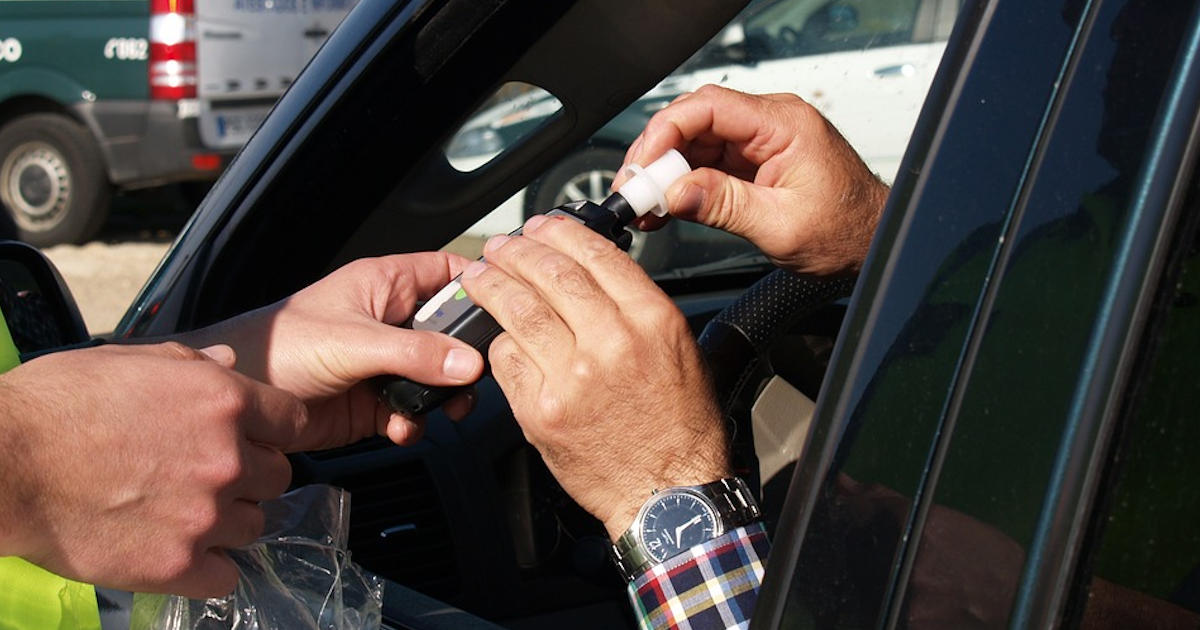
It’s not uncommon for law enforcement to use breathalyzer tests for estimating the blood alcohol content in a driver’s system. The controversial results of these tests are then used as a case for charging someone with a DUI.
What many people don’t realize is that the accuracy of these breathalyzer tests do not match the great responsibility that they carry. They have been the cause of many false charges, as well as skepticism which can result in carelessly letting a guilty person off of the hook.
The only true asset in a legal case pertaining to a DUI is hiring an expert forensic toxicologist. However, understanding the workings and flaws of breathalyzer tests are a great start.
Understanding Breathalyzer Tests
To help achieve a better understanding of breathalyzer tests, and the risks that they pose, you need to understand the device.
What Is A Breathalyzer Test?
When a person drinks alcohol, it is absorbed into the mouth, throat, stomach, intestines and into the bloodstream. This alcohol level shows up in the breath.
A breathalyzer is a hand-held device that is used to estimate the blood alcohol content in the form of a breath sample. This blood alcohol content is referred to as BAC.
How Does A Breathalyzer Test Work?
The breathalyzer test doesn’t directly measure blood alcohol content. For that to happen, a blood sample is needed. Instead, the breathalyzer measures the amount of alcohol in someone’s breath.
The handheld device uses a chemical reaction to indicate the level of alcohol-based on a color change. There is a mouthpiece, a tube to blow through and a sample chamber.
When Is A Breathalyzer Test Used?
The breathalyzer is used in the police field as a form of preliminary screening for DUI suspects. A police officer is mostly likely to test a subject after an accident, when speeding, weaving, or at random spot checks.
The test can be done on the side of the ride after which the police officer will either send you on your way home – or escort you to the station and possibly write up a charge.
Flaws Of The Breathalyzer Test
Although a popular screening device, the breathalyzer test is not the most reliable. There are various flaws that can occur and have detrimental effects on an individual’s life.
Involuntarily Bodily Reactions
Did you know that your natural refluxes can affect the results of a breathalyzer test? You don’t need to be intoxicated to belch, hiccup or vomit, but all three natural reactions can result in a higher alcohol reading.
Law enforcement should be briefed and aware of this possible interference with the results, but this vigilance is not always the case. If you are pulled over for a DUI and this happens, you shouldn’t be tested for at least 20 minutes.
Residual Alcohol Results
You may have made the responsible choice and stuck to the legal drinking limit, sipping only a single beer a couple of hours prior. However, it’s possible for alcohol to remain the mouth in a residual form or be absorbed by food between your teeth. This residual alcohol is one of the most common reasons for false positives.
When you breathe on a breathalyzer, the test may read the residual alcohol and “confirm” that there’s a higher measurement of blood alcohol content than there is in reality.
Body Behavior – Metabolism and Temperature
Once again, your body’s natural behavior can have an impact on your DUI reading, particularly with regards to your metabolism and body temperature.
The machine is designed to test the breath at 93.2°F. The problem is introduced when the person’s temperature can be closer to 96°F (at the time of DUI arrest). This discrepancy in temperature calibration can result in an inaccurate reading by 10% – 20%.
Human metabolism can also have an effect on the reading of a breathalyzer – particularly if the person’s metabolism is slow. Bodies with a slow metabolism take longer to absorb alcohol. As a result, your reading may be higher than the amount of blood alcohol in your bloodstream.
Easily Influenced Results
There are also plenty of other ways that the results of a breathalyzer test can be influenced. For example, holding your breath could increase the BAC from .07% to .081% or more due to hyperventilation releasing molecules of alcohol in the trachea.
Another example is if the individual is on a certain diet or an undiagnosed diabetic. In this case, their reading could come out significantly higher than it actually is. This is a result of a higher acetone level which tests as ethanol in a breathalyzer.
Don’t Get Locked Up Falsely
There are several other ways that the results of a breathalyzer can be skewed. In addition, the lack of proper accuracy testing of the machines could mean that they regularly give incorrect results.
Yet the results of a DUI still have the power to put you behind bars. This is where forensic toxicology experts come in. To make sure that your future is not affected by inaccurate results, you can get the legal expertise of a forensic toxicologist.