Category: Science
Edible vs. Vaporized Cannabis: Why Timing Changes the Evidence
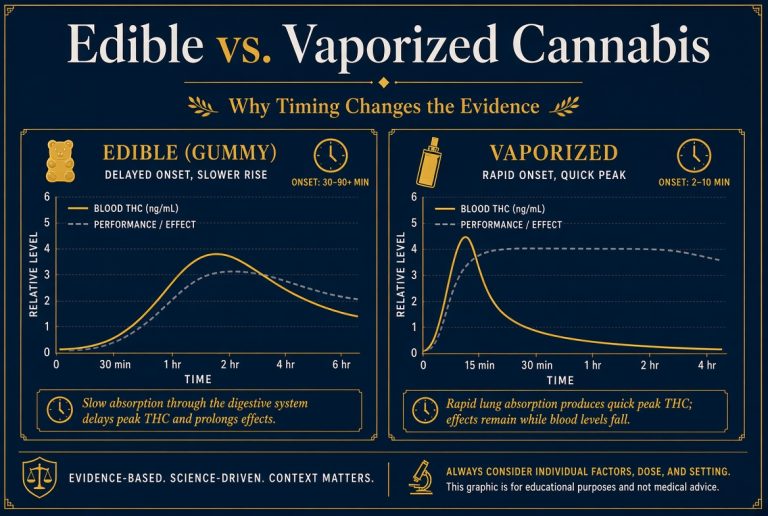
The route of cannabis use changes the timing of both blood THC and observed effects. Controlled research shows delayed effects after edibles and rapidly falling blood THC after vaporization, even while performance effects continue.
Does THC Dilate Pupils? What Controlled Pupillography Found
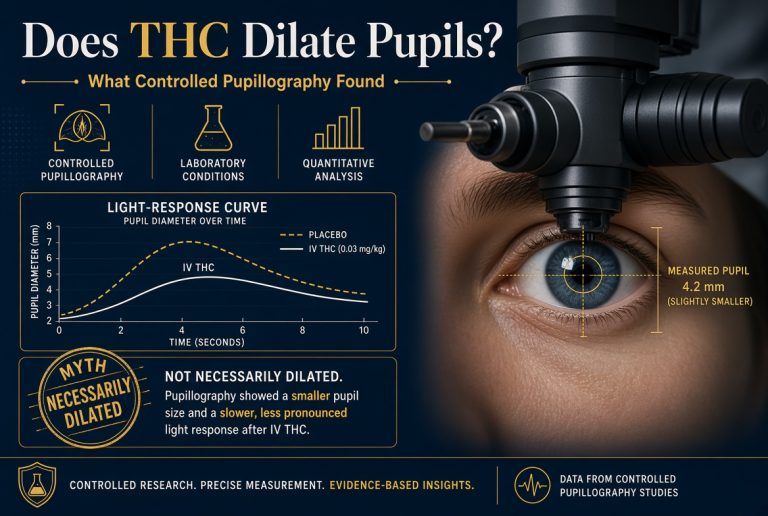
The common claim that cannabis necessarily causes dilated pupils is too simple. A controlled pupillography study found reduced pupil size and a slower, less pronounced response to light after intravenous THC.
Postmortem Blood Alcohol: The Preanalytical Evidence That Can Change the Result
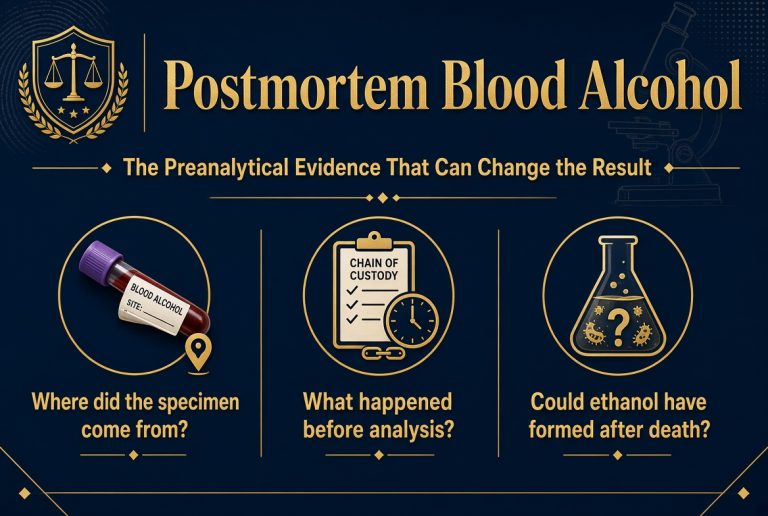
A postmortem ethanol number does not explain where the specimen came from, what happened before analysis, or whether some ethanol formed after death. A 2024 scientific review identifies the evidence needed to evaluate those questions.
How Accurate Are SCRAM and Other Transdermal Alcohol Monitors?
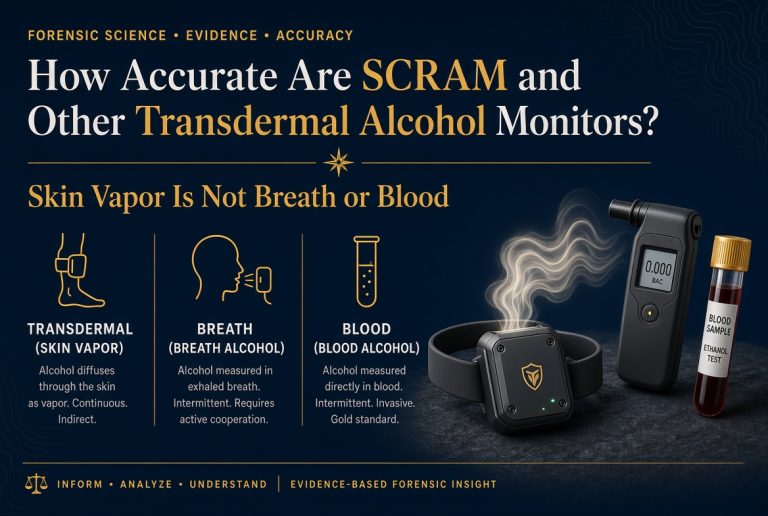
Wearable alcohol monitors measure alcohol vapor leaving the skin. They can provide a continuous record, but a transdermal alcohol curve is not the same measurement as breath or blood alcohol.
Two Blood Samples Do Not Prove a Universal Alcohol Elimination Rate
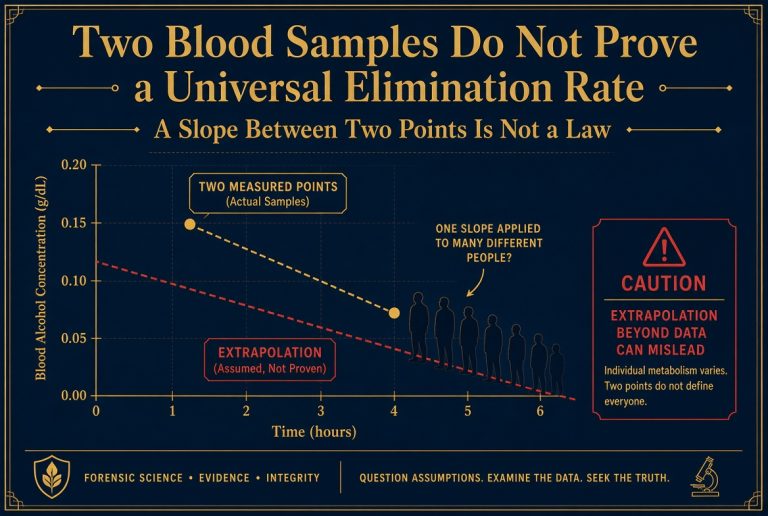
Subtracting two blood-alcohol results and dividing by time produces a number. It does not automatically prove that the same elimination rate applied before the first draw or to every person.
Cannabis and Alcohol Together: Impairment and Field Signs
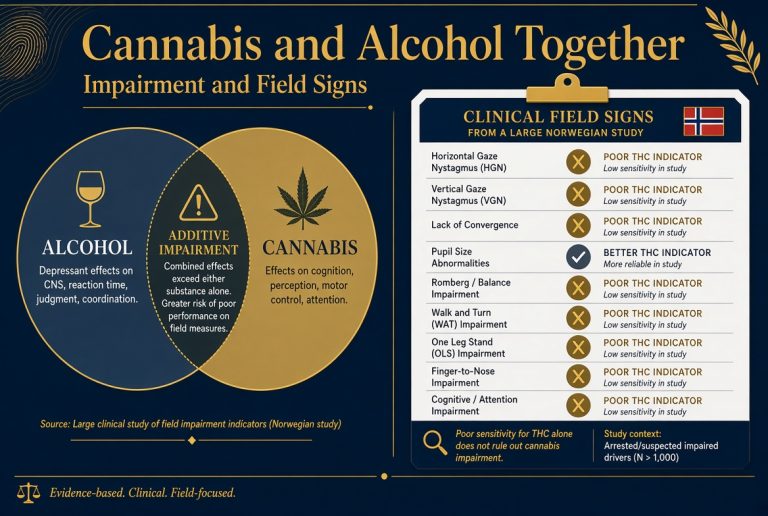
Combined cannabis and alcohol evidence deserves careful analysis. A large Norwegian study found an additive relationship while also showing that most clinical field observations were poor indicators of THC influence.
Nail Drug Testing in Court: Records and Scientific Limits
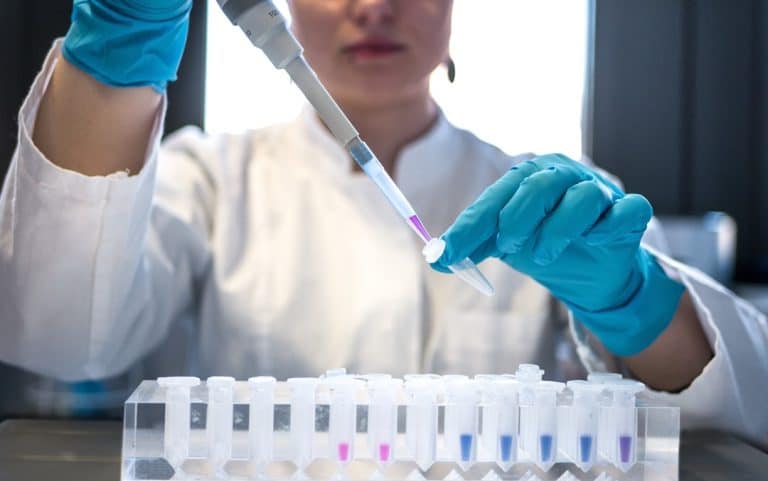
Learn what nail drug testing may show, why contamination and timing matter, and which laboratory records lawyers should request before interpreting a result.
Breath-to-Blood Conversion: Scientific Limits and Records
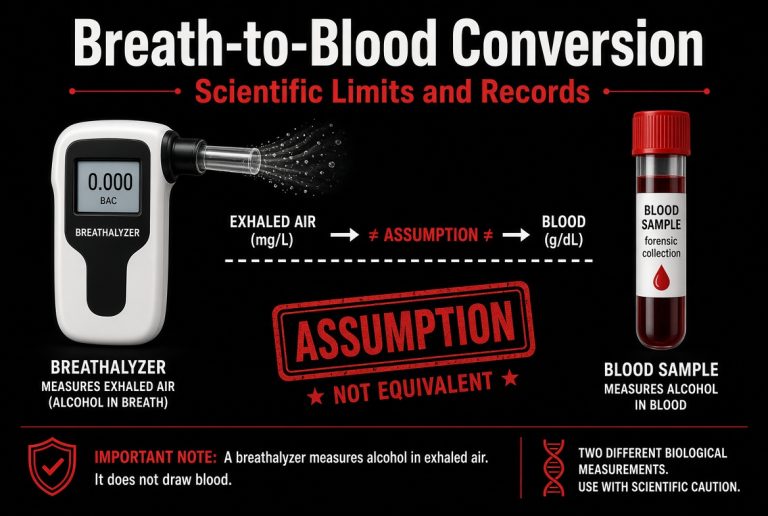
A breath-alcohol instrument measures alcohol in a breath sample. It does not draw or analyze blood. When a breath result is discussed as though it were a blood-alcohol concentration, a conversion assumption connects two different biological measurements. That distinction is not merely semantic. It affects how a result should be…
Breath-Test Records Needed for Scientific Review

A breath-test ticket is only the summary. Learn which instrument, calibration, reference-material, operator, sequence, and audit records support scientific review.
Presumptive Amphetamine Urine Screens: What a Positive Immunoassay Does and Does Not Prove
A forensic review of presumptive amphetamine urine screens, cross-reactivity, confirmation, methamphetamine enantiomers, and limits on impairment claims.
Bariatric Surgery, Reflux, and Esophageal Stricture: What the Medical Record Must Establish
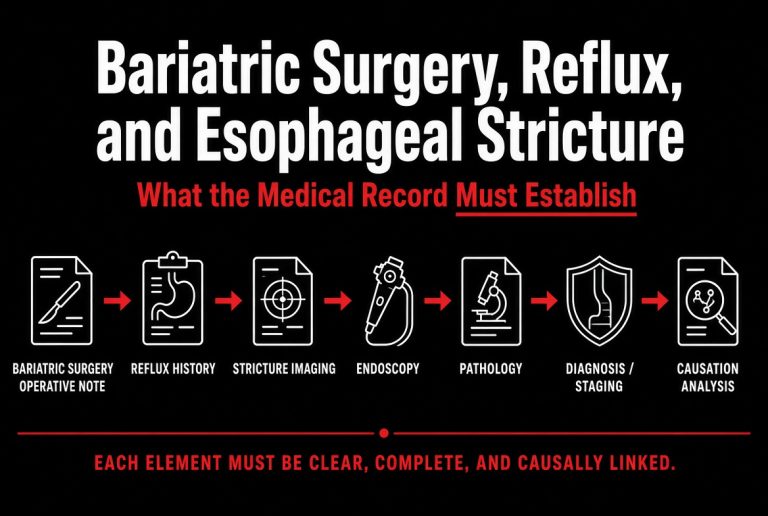
A medical-record framework for evaluating bariatric surgery, reflux, esophageal stricture, endoscopy, pathology, diagnosis, staging, and causation.
Methamphetamine Toxicology Lawyer and Expert Case Review
Legal and scientific review of methamphetamine evidence involving driving, postmortem redistribution, laboratory methods, and expert testimony.



