What Is a Forensic Toxicologist? Duties & Daily Work
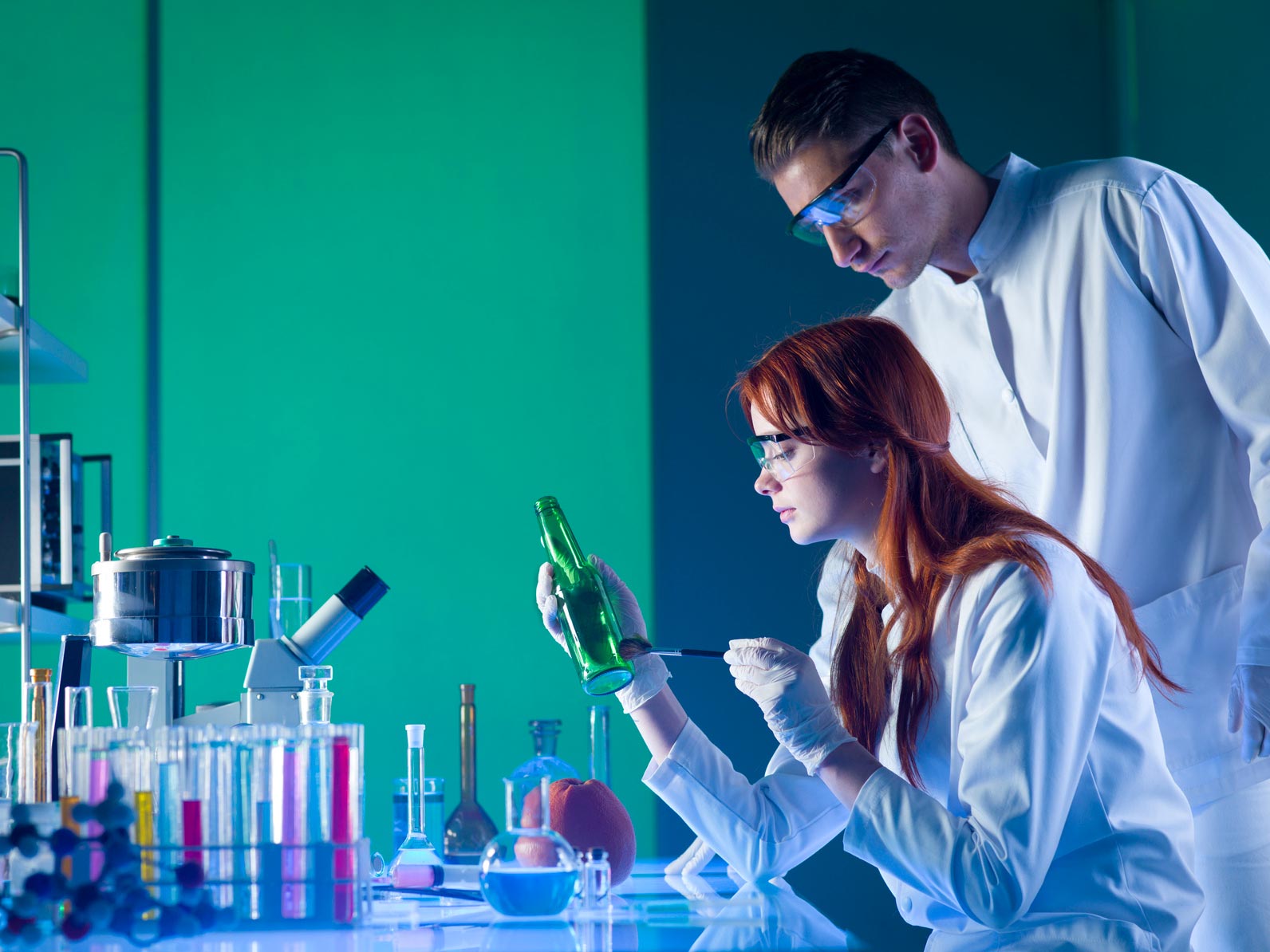
Short answer: A forensic toxicologist analyzes biological specimens for alcohol, drugs, poisons, and metabolites; checks the reliability of the testing; interprets the findings in context; and communicates conclusions in reports or testimony. Most of the work is careful laboratory analysis, documentation, quality review, and scientific interpretation—not crime-scene investigation or instant conclusions like those shown on television.
Updated July 27, 2026.
What is a forensic toxicologist?
A forensic toxicologist applies toxicology to legal or medicolegal questions. The American Academy of Forensic Sciences describes three main areas: postmortem toxicology, human-performance toxicology, and forensic drug testing. Each area measures drugs or other chemicals in biological specimens for a defined legal or administrative purpose.
- Postmortem toxicology: evaluates whether alcohol, drugs, carbon monoxide, or other substances caused or contributed to a death.
- Human-performance toxicology: addresses questions involving driving, drug-facilitated crimes, impairment, or behavior.
- Forensic drug testing: analyzes specimens collected in workplace, probation, treatment, court-ordered, or other monitored-testing programs.
Environmental toxicology and product-safety testing are related scientific fields, but they are not the routine focus of most forensic toxicology laboratories.
What does a forensic toxicologist do each day?
A typical day depends on the laboratory and the toxicologist’s seniority, but it commonly includes the following work.
1. Review the case and specimen information
Before testing, the laboratory records what was received, checks seals and identifiers, reviews the requested scope, and preserves chain-of-custody documentation. Relevant context may include the type of case, the available specimens, prescribed medications, collection time, or postmortem findings.
2. Prepare biological specimens
Blood, urine, oral fluid, vitreous fluid, tissue, hair, or other specimens may be used depending on the question. Collection conditions, preservatives, storage, specimen volume, and stability can all affect what can be reliably measured. A specimen is not interchangeable with every other specimen type.
3. Screen for possible substances
A screening method is designed to rule out substances or indicate that further testing may be warranted. Screening can cover drug classes or a targeted panel. A presumptive screening result is not the same as a definitive identification.
4. Confirm and quantify findings
When appropriate, laboratories use more specific analytical techniques—often gas or liquid chromatography coupled with mass spectrometry—to identify a substance and sometimes measure its concentration. Laboratories must validate methods, use calibrators and controls, and follow identification criteria appropriate to the test.
5. Review quality-control and case data
The toxicologist checks whether controls performed acceptably, whether identification criteria were met, whether dilution or interference affected the analysis, and whether repeat or additional testing is necessary. Technical or administrative review may be required before a report is released.
6. Interpret the result in context
Interpretation is often the hardest part. A measured concentration may need to be considered alongside specimen type, timing, dose history, metabolism, tolerance, drug interactions, medical records, observed behavior, autopsy findings, and analytical uncertainty.
7. Write reports and explain the science
A toxicologist may issue a laboratory report, consult with investigators or attorneys, prepare demonstrative explanations, give a deposition, or testify in court. Clear communication matters because the limits of a result can be as important as the result itself.
What a toxicology result can—and cannot—prove
A result can establish that a tested specimen contained a reported substance or metabolite under the laboratory’s validated method. Depending on the matrix and case, it may also support a concentration estimate or a limited interpretation.
A result does not automatically prove the exact dose, the exact time of use, impairment at a particular moment, chronic use, intent, or the cause of an event. Those questions may require additional evidence. For example, a urine result generally reflects prior exposure rather than current impairment, while a blood result may be more closely related to the collection time but still requires pharmacological context.
The same caution applies to specialized matrices. Hair drug testing can be affected by chemical treatment and other interpretive limits, while sweat patches measure cumulative exposure over a wear period and require attention to collection and confirmation procedures.
Do forensic toxicologists work at crime scenes?
Usually, no. Most forensic toxicologists work in medical-examiner laboratories, crime laboratories, government or military laboratories, hospitals, universities, or private laboratories. Investigators, pathologists, nurses, phlebotomists, or trained collectors usually obtain the specimens. Toxicologists may occasionally assist with a specialized collection or case consultation, but routine crime-scene fieldwork is not the core job.
Education, training, and certification
A strong foundation in chemistry is essential, together with biology, pharmacology, statistics, analytical instrumentation, and toxicology. The AAFS describes a bachelor’s degree in a life or physical science as a common first step, and many practitioners hold master’s or doctoral degrees.
Professional roles are not identical. Bench analysts may perform and review testing, while experienced forensic toxicologists may provide interpretations and opinions. The American Board of Forensic Toxicology offers certification categories with different education and experience requirements. Certification, laboratory accreditation, documented competency, continuing education, and experience relevant to the specific opinion are useful qualification indicators.
Working conditions and common pressures
The work is detail-intensive and frequently deadline-driven. Toxicologists may spend long periods reviewing chromatograms, instrument data, quality records, case histories, and scientific literature. Laboratories also face changing drug markets, emerging substances, instrument maintenance, staffing constraints, and case backlogs.
Public crime laboratories reported substantial backlogs in the Bureau of Justice Statistics’ 2020 census. A delay does not necessarily mean a laboratory is careless; turnaround time can reflect caseload, staffing, confirmatory work, quality review, outsourcing, or the complexity of a case.
Frequently asked questions
Is a forensic toxicologist the same as a forensic pathologist?
No. A forensic pathologist is a physician who performs medicolegal death investigations and autopsies. A forensic toxicologist is a scientist who analyzes and interprets drugs, alcohol, poisons, and related chemicals. They often work together.
Is a forensic toxicologist the same as a drug chemist?
Not usually. A controlled-substances chemist typically identifies material such as a powder, tablet, or plant product. A forensic toxicologist usually tests biological specimens and considers what a detected substance may mean in a human case.
Can a toxicologist determine whether someone was impaired?
Sometimes a toxicologist can offer an opinion that a finding is consistent with impairment or could have contributed to observed effects. The strength of that opinion depends on the drug, specimen, timing, concentration, behavior, tolerance, interactions, and other evidence. A concentration alone is not a universal impairment meter.
How long does forensic toxicology testing take?
Turnaround time ranges from days to months. It depends on the requested panel, specimen type, need for confirmation or additional testing, laboratory workload, and review requirements.
Related forensic toxicology resources
- Forensic toxicology facts and common misconceptions
- 2026 U.S. street-drug report: trends, seizures, and data limits
- Browse the forensic toxicology blog
Primary sources
- Bureau of Justice Statistics: Publicly Funded Forensic Crime Laboratories, 2020
- NIST: forensic-science subcommittees, including forensic toxicology
- NIST: Seized Drugs and Toxicology Scientific Area Committee