Toxicology Lawyer Talks Drug Testing in The Workplace
Article overview: This article explains Toxicology Lawyer Talks Drug Testing in The Workplace and the scientific, legal or practical evidence readers should understand.
SEO structure updated July 24, 2026.
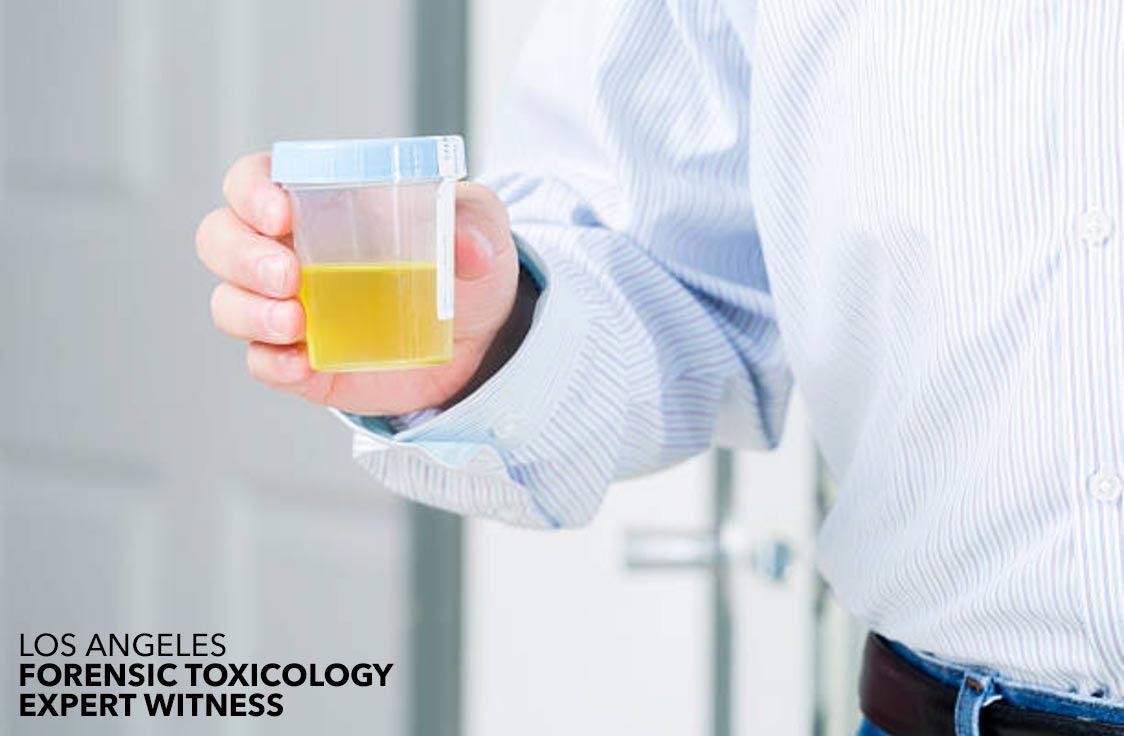
Drug testing in the workplace has been the center of heated debates amongst toxicology lawyers for many years. Drug testing in the workplace is the process whereby companies or organizations utilize the resources of scientific laboratories to determine whether any of their employees are using illegal drugs. In most cases, drug testing requires employees to submit a urine sample for analysis, a common practice in businesses and industries across the United States despite the controversy surrounding the topic. In the public employment sector, mandatory drug testing programs have been challenged by public labor unions and the civil rights community. However, in most states across the United States, employees working in the private sector are not afforded any protection from the inaccurate and indiscriminate drug testing despite some states enacted laws prohibiting the random drug testing of employees. As a general rule, drug testing in the workplace is considered lawful unless there is a specific restriction in state or federal law. However, testing in the workplace will continue to be contested due to the controversial character of employee drug testing in labor management relations. On the one hand, many organizations believe that random drug testing can only benefit their company and the employees that work there. However, on the other hand, many toxicology lawyers, civil rights communities and labor unions believe that it is in fact an invasion of personal privacy. In addition to this, employers may experience unwelcome consequences due to drug testing, including that of reduced job satisfaction and commitment. In an attempt to manage drug testing, to avoid cases of discrimination, and to prevent the invasion of privacy, federal agencies conducting drug testing must now follow the Mandatory Guidelines for Federal Workplace Drug Testing. This is a standardized set of procedures set out by the Substance Abuse and Mental Health Services Administration (SAMHSA) which falls under the U.S. Department of Health and Human Services. The guidelines include the following:- Making use of drug labs certified by SAMHSA
- Having tests evaluated by a Medical Review Officer
- Testing for 5 specific substances
- Amphetamines
- Cannabinoids
- Cocaine
- Opiates
- Phencyclidine
Related reading: For related context, read Advances in Tools For the Forensic Toxicologist, Drug Testing Myths. Browse the Forensic Toxicology topic hub.