Alcohol and the Workplace
Article overview: This article explains Alcohol and the Workplace and the scientific, legal or practical evidence readers should understand.
How workplace alcohol testing is used
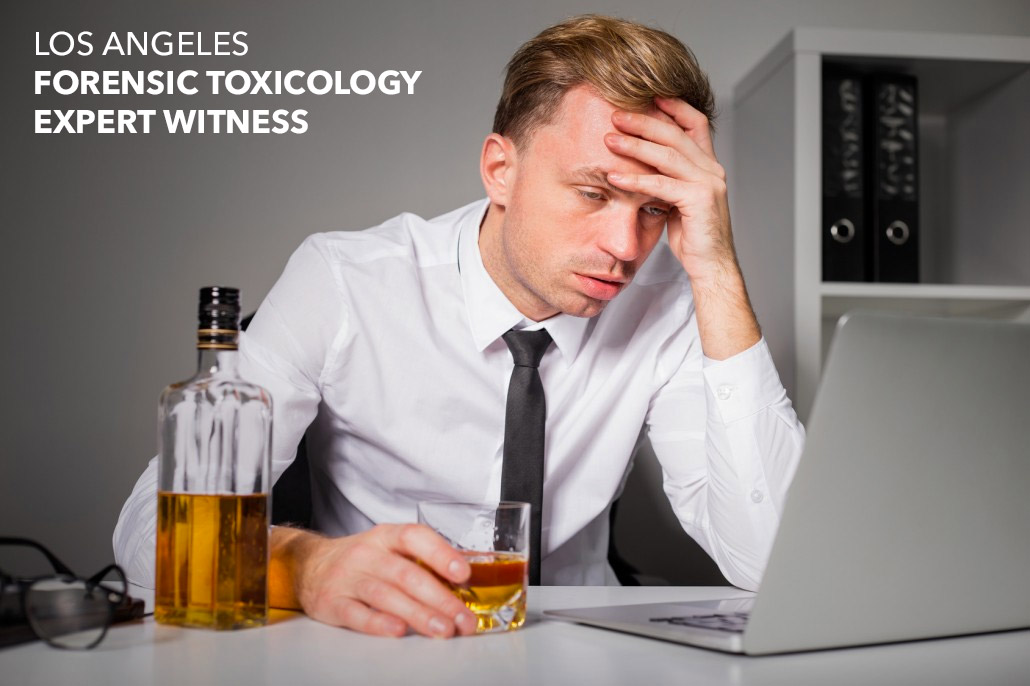
The Role of Alcohol Testing in the Workplace Today Since the introduction of the Federal Drug-Free Workplace Program in the late 1980s, drug and alcohol testing in the workplace has become a common phenomenon. Most companies implement at least some form of testing, whether it be to screen prospective employees or to conduct alcohol tests on staff at random. The drug and alcohol testing industry now makes billions of dollars annually, and provides an important service to employers, although it is not without its controversies. It is therefore vital for employers to make sure that they are fully aware of what testing involves. Alcoholism and the workplace Occupational alcoholism is a widespread problem. It has recently been reported that 6.6% of American employees working full-time jobs admit to frequent and heavy alcohol consumption. The implications of alcohol abuse for companies and the economy as a whole are serious. Impact includes decreased productivity, poor employee performance and behavior, increased rates of absenteeism, fatalities from workplace accidents caused by intoxication, work-related injuries, and higher levels of employee discipline and dismissal. What role can alcohol testing play? Although many studies attempt to make the argument that there is a correlation between testing and a reduction in occupational accidents, such a relationship has not been conclusively proven. Nevertheless, introducing alcohol testing – particularly post-accident testing and random testing – can play an important role in deterring employees from consuming alcohol whilst on the job. Is testing in the workplace lawful? Alcohol testing in the workplace is generally regarded as lawful if it is conducted fairly and reliably. The way in which the test was carried out, the testing conditions, whether the results were analysed by a professional forensic toxicologist, and the reasons for the testing of the employee are all important factors, should a testing be scrutinized in court. What types of testing are available? The most common testing methods available are breath testing, urine testing and blood alcohol level testing.- Breath testing Breath testing requires an employee to blow into an intoxylizer machine (commonly known as a Breathalyser) twice over a period of two minutes. The machine produces a momentary estimate of the employee’s blood alcohol level. A trained Breath Alcohol Technician must conduct the test. Although this is a common form of testing, it does not provide an exact measure of the blood alcohol level and there is a risk of inaccuracy. For example, the presence of alcohol in the mouth can produce false high readings. The advantage of this form of test is that it is not invasive and produces relatively instant results.
- Urine testing Urine testing is conducted by requesting employees to provide a urine sample which can then be tested in a lab by a forensic toxicologist. This test is often used to confirm breath tests, or is used as an alternative. Although it is slightly more invasive, it is also more accurate. Usually two urine samples are needed, produced 20-30 minutes apart.
- Blood testing A blood test measures the exact level of alcohol in the employee’s blood. Once the blood has been drawn, it is analysed by a forensic toxicologist in a laboratory, and can be re-tested at a later stage if necessary. The advantage of blood testing is accuracy; however, it is much more invasive form of test and is not likely to be used frequently.
Related reading: For related context, read The Effect of Pathology on Toxicology, Alcohol Testing 101, Picking the Perfect Counsel. Browse the Forensic Toxicology topic hub.