A Broader Hair Cannabinoid Panel Increased Detection Without Proving Ingestion
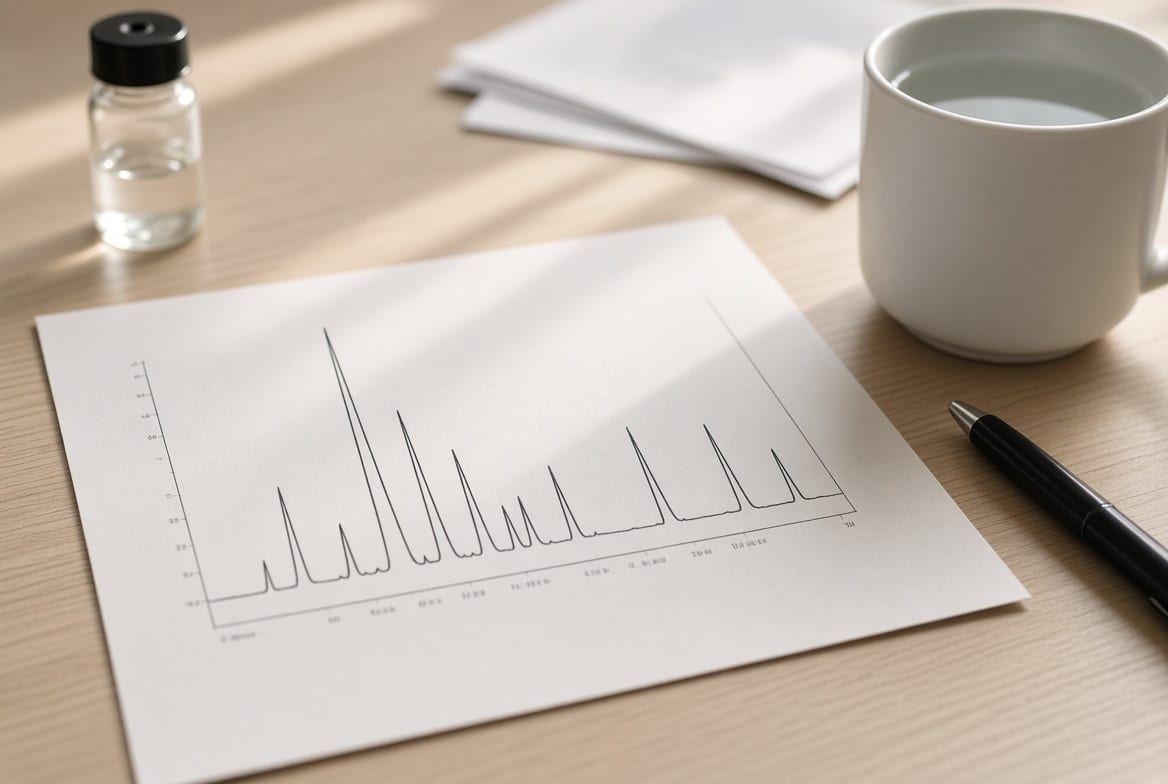
Adding delta-8 THC, delta-10 THC and CBD to a hair panel identified additional positive specimens. The analytical gain did not establish how each person was exposed or whether a child had ingested cannabis.
A convenience sample from forensic submissions
The laboratory validated LC–MS/MS detection of four parent cannabinoids and applied it to hair submitted for routine environmental-exposure analysis. During the reported period, 1,787 specimens were positive for at least one target.
These were selected laboratory submissions, not a randomly sampled population. Positivity in this dataset therefore cannot estimate how common cannabinoid exposure is among all children or households.
An expanded target list changed ascertainment
Delta-9 THC was the most frequent analyte, but the added targets identified 213 additional positive specimens beyond delta-9-only testing. A panel that does not measure those compounds cannot report their presence, even if its delta-9 assay performs accurately.
The study also documented potential analytical interferences at high concentrations. Validation of a broader panel still requires separation and identification rules, not simply adding more reported names.
Exposure route remained unresolved
The dataset involved unwashed hair, and the authors identified the inability to distinguish ingestion from environmental contact as a limitation. They proposed future comparison with washed specimens rather than claiming that their measurements had already solved source attribution.
A positive parent cannabinoid result does not, by itself, establish absorbed dose, impairment, neglect or causation of a clinical event. Those conclusions require additional case evidence. The paper demonstrates increased analytical coverage in a selected specimen series, while leaving the biological and factual meaning of an individual positive result to a separate assessment.
Related: Interpreting cannabinoid measurements.
Primary research
The detection of delta-9-tetrahydrocannabinol, delta-8-tetrahydrocannabinol, delta-10-tetrahydrocannabinol, and cannabidiol in hair specimens. Journal of Analytical Toxicology (2025).



