Category: Science

Science-focused analysis of toxicology, laboratory testing, drugs, alcohol, impairment, and the interpretation of technical evidence.

In-Custody Deaths, Toxicology, and the End of Excited Delirium in California

California bars excited delirium as a diagnosis and civil evidence. Learn what AB 360 means for in-custody death toxicology and section 1983 causation.

Concentration Is Not Impairment: THC Blood Levels in California Driving Cases

California has no per se THC limit, and the pharmacology explains why. Blood THC falls fastest when effect is still rising, and frequent users carry measurable levels long after any effect.

“They Are Not Tests of Driving” — What the Field Sobriety Tests Actually Measure

The woman who built the Standardized Field Sobriety Tests testified under oath that they do not measure driving. A forensic toxicology review of the science behind HGN, the Walk-and-Turn, and the One-Leg Stand.

Why Intelligent People Hold Irrational Political Beliefs
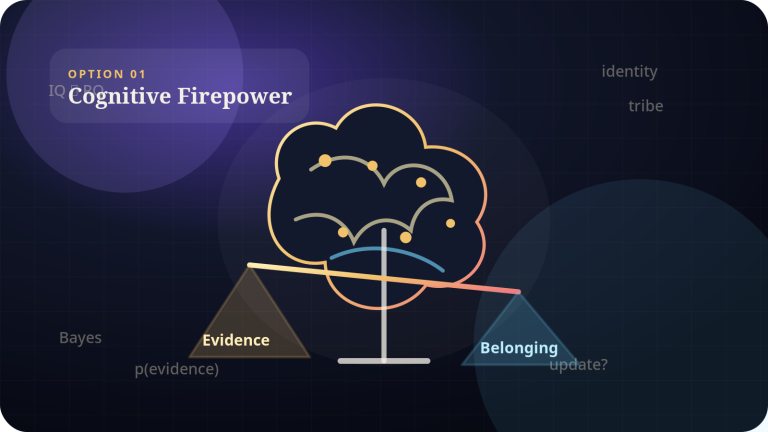
Short answer: Political beliefs are not formed by intelligence alone. Group identity, prior knowledge, trusted messengers, moral values, and selective exposure all shape how evidence is interpreted. Intelligence may improve accuracy in some settings, but it does not make anyone immune to partisan bias. Reviewed and updated July 24, 2026….


The National Black Lawyers

top 40 lawyers

civil trial law

Lawyers of Distinction

Loading...

Recent Blog Articles

Can THC Analgesia Be Separated From Memory Effects? A Peptide Experiment in Mice

An experimental peptide preserved THC-related analgesic responses while preventing a memory-task deficit in mice. The result is a preclinical drug-development finding, not evidence that an available supplement makes cannabis use free of cognitive effects. Targeting a receptor interaction Gallo and colleagues investigated peptides designed to disrupt an interaction between cannabinoid…

Read Article: Can THC Analgesia Be Separated From Memory Effects? A Peptide Experiment in Mice

Can Cannabis Users Self-Titrate Across Different Potencies? What Blood Verification Adds

Different amounts of cannabis flower did not necessarily produce different measured THC-related blood exposure in a preliminary naturalistic study. The finding supports investigating self-titration, rather than assuming product potency alone determines absorbed dose. A three-day product assignment Bidwell and colleagues enrolled 24 male cannabis users and asked them to use…

Read Article: Can Cannabis Users Self-Titrate Across Different Potencies? What Blood Verification Adds

Prenatal THC and the Placenta: Why Normal Maternal Weight Did Not Exclude Fetal Effects in Rats

Normal maternal weight gain did not exclude fetal-growth and placental findings in a rat THC experiment. Different maternal and fetal endpoints can respond differently to the same exposure. The exposure and assessments The investigators administered THC or vehicle to pregnant Wistar rats during gestation. They assessed maternal food intake and…

Read Article: Prenatal THC and the Placenta: Why Normal Maternal Weight Did Not Exclude Fetal Effects in Rats