Cannabis and Spatial Working Memory: Why Other Memory Tests May Be Normal
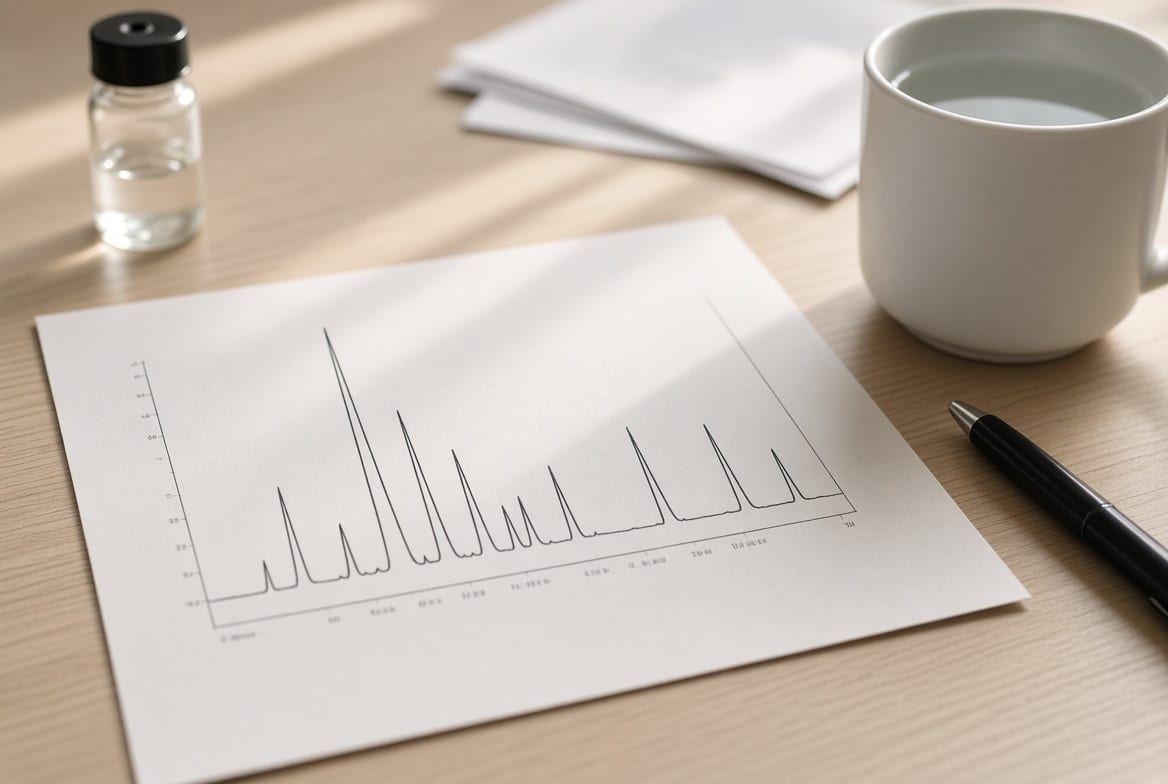
A cannabis study can find a deficit on one memory task while finding no significant differences on others. That does not establish either global cognitive failure or complete preservation of function. The task and research design determine what the result means.
A selective finding in human participants
Ryder and colleagues compared 77 regular cannabis users with 77 controls using Wechsler memory subtests. The cannabis group was tested after reported use of a standardized product. The principal difference involved backward spatial span, a visuospatial working-memory task. The other tested memory domains did not show significant group effects of the same kind.
The investigators also reported a group-by-sex interaction, with a larger difference from same-sex controls in males. This finding describes the compared groups; it does not establish that any individual male must be impaired or that females are protected.
The exposure verification gap
No biological specimens were collected to confirm exposure in users or abstinence in controls. The paper therefore supplies no measured blood THC concentration corresponding to the memory result. Product potency and the amount of plant material do not establish an identical absorbed dose for every participant.
The cross-sectional comparison also cannot fully separate acute effects from chronic-use effects or pre-existing differences. A within-person baseline and blinded placebo condition would address different sources of uncertainty.
Accuracy was measured, not every aspect of performance
The subtests scored recall accuracy; task-completion times were not recorded. Normal accuracy on a task does not establish normal processing speed. Conversely, a lower span score is not itself a measured driving error or collision outcome.
The proposed neural explanations are interpretations. The study did not directly measure brain activation or hormone concentrations to establish those mechanisms.
What to ask when this research is cited
Identify which memory domain the opinion concerns and whether the source actually measured it. Ask whether the expert has distinguished the significant spatial finding from the nonsignificant comparisons and acknowledged the lack of toxicological confirmation.
For a particular person, exposure history, timing, baseline abilities, medications, sleep, and actual behavior remain necessary context. This paper supports examining domain-specific effects, not substituting a group comparison for an individualized impairment assessment.
Related evidence
See our related analysis of toxicology evidence and its limits.
Primary research
Same dose, different impact: acute cannabis intoxication impairs visuospatial working memory in both sexes, with disproportionate male vulnerability. Frontiers in Behavioral Neuroscience, 2026. DOI: 10.3389/fnbeh.2026.1785335.



