12 Forensic Toxicology Facts: Testing, Evidence and Myths
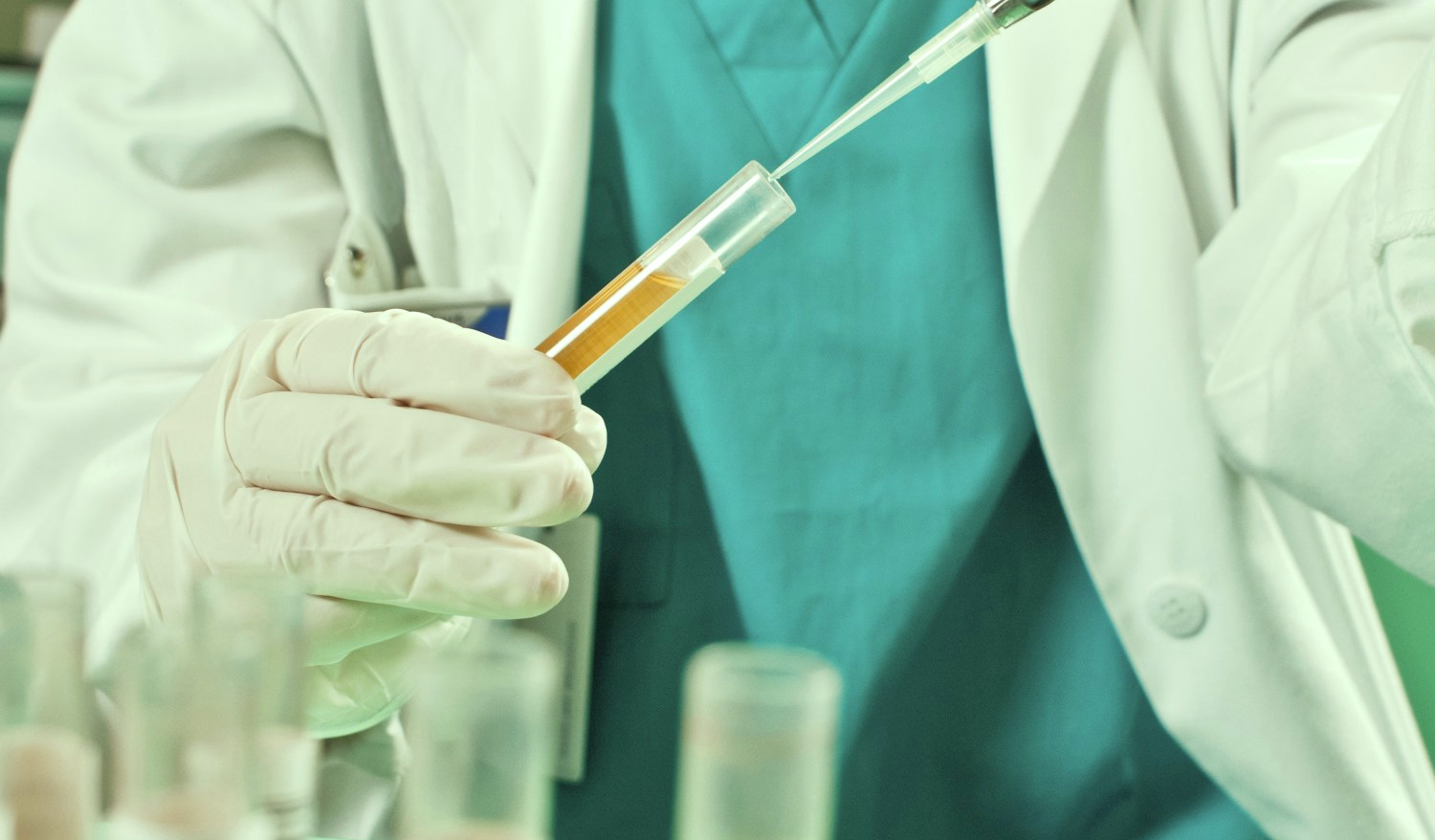
Forensic toxicology is the application of drug and poison science to legal questions. It is more than finding a chemical in a sample: practitioners must choose the right specimen and method, distinguish screening from confirmation, evaluate quality controls, and explain what a result can and cannot establish.
Updated July 24, 2026. These facts replace older statistics and commonly repeated toxicology myths with current professional and government sources.
1. Forensic toxicology has three major branches
The American Academy of Forensic Sciences identifies three primary subdisciplines: postmortem toxicology, human-performance toxicology, and forensic drug testing.
- Postmortem toxicology evaluates substances in death investigations.
- Human-performance toxicology addresses questions such as driving impairment and drug-facilitated crime.
- Forensic drug testing covers monitored testing in workplace, probation, treatment, court, and similar programs.
Each branch uses toxicology, but the specimens, testing scope, interpretive questions, and governing rules can differ.
2. Most forensic toxicologists do not investigate crime scenes
Most of the work occurs in laboratories and offices. Toxicologists analyze submitted biological specimens, review analytical data, document quality control, interpret findings, write reports, and sometimes testify. Specimens are usually collected by medical personnel, death investigators, law-enforcement personnel, or trained workplace collectors.
For a detailed description of the profession, read what a forensic toxicologist does during a typical case.
3. Biological specimens answer different questions
Blood, urine, oral fluid, hair, sweat, vitreous fluid, and tissue do not provide identical information.
- Blood may be useful for concentration and time-proximate interpretation, although timing, tolerance, redistribution, and other variables remain important.
- Urine is often useful for detecting prior exposure, but it usually does not establish current impairment.
- Oral fluid can emphasize relatively recent exposure and allows observed collection.
- Hair may represent a longer retrospective period but has growth, contamination, pigmentation, and cosmetic-treatment limitations.
- Sweat patches collect drug excretion cumulatively during the wear period.
The correct question is not “Which specimen is best?” but “Which specimen is appropriate for this purpose, time period, and legal framework?”
4. A screening result is not the same as a confirmed result
NIST defines a screening method as an assay designed to rule out analytes or suggest their presence so that further testing may be warranted. Screening is useful for speed and breadth, but it may be class-based or subject to cross-reactivity.
Definitive identification generally requires a sufficiently specific method and criteria appropriate to the substance. In many laboratories, chromatography coupled with mass spectrometry is used for confirmation and measurement. A report should make clear whether a finding is presumptive, confirmed, qualitative, or quantitative.
5. There is no universal “standard drug panel” for every case
The substances tested depend on the program, specimen, case history, laboratory method, jurisdiction, and requested scope. Federal workplace testing follows authorized panels and mandatory procedures. Private workplace programs and forensic casework may use different panels.
As of 2026, federal workplace programs authorize urine and oral fluid under separate HHS guidelines. Hair remains the subject of proposed—not final—federal mandatory guidelines. A claim that every workplace test is simply the same “five-panel urine test” is therefore incomplete.
6. A detected drug does not automatically prove impairment
Detection means that a reported substance or metabolite was identified in the tested specimen under the laboratory’s method. Impairment is a separate interpretive question.
The answer may depend on the drug, active versus inactive metabolites, concentration, specimen type, collection time, observed behavior, tolerance, drug interactions, medical history, and other evidence. For some substances, science supports stronger concentration-effect relationships than for others. A urine positive, by itself, generally cannot establish impairment at an earlier event.
7. A concentration usually cannot reveal an exact dose or time
People absorb, distribute, metabolize, and eliminate drugs differently. Route of administration, repeated use, body composition, liver or kidney function, genetics, tolerance, co-administered substances, and the time of collection can all matter.
Back-calculating an exact dose or exact time of use from one concentration may require assumptions that the evidence cannot support. A sound opinion states those assumptions and the uncertainty rather than presenting a single number as certain.
8. Postmortem concentrations require special caution
After death, drug concentrations can change because of redistribution, decomposition, specimen location, storage, stability, and other processes. Central and peripheral blood may not be equivalent. The toxicology findings must be evaluated with autopsy observations, medical history, circumstances, and the pathologist’s investigation.
A concentration described as “fatal” in one publication does not automatically prove that the same concentration caused another person’s death.
9. Chain of custody and quality systems are part of the science
Reliable testing requires more than a sophisticated instrument. Laboratories document receipt, seals, transfers, preparation, calibrators, controls, instrument performance, calculations, review, storage, and reporting. Method validation and competency records help establish that a procedure is fit for its intended use.
A broken or undocumented chain does not necessarily mean a specimen was altered, but it can create an evidentiary question. Likewise, an acceptable chain of custody does not by itself prove that the analytical method or interpretation was sound; both areas should be evaluated.
10. Modern identification relies on defined analytical criteria
ANSI/ASB Standard 113 sets minimum identification criteria for forensic toxicology testing, while standards for mass-spectral analysis address how analytical data should be evaluated. These standards help laboratories avoid relying on a single weak signal.
Instrumentation is powerful, but software does not replace trained review. Analysts must evaluate retention behavior, ions or transitions, ratios, calibration, interferences, controls, and the requirements of their validated method.
11. Laboratory backlogs are real—and the old numbers have changed
The Bureau of Justice Statistics’ 2020 census reported about 710,900 backlogged requests across publicly funded forensic crime laboratories, using a definition of work not examined and reported within 30 days. Toxicology represented about 46,400 backlogged requests, or 6.5% of the reported total.
Those figures should not be confused with the much older 2009 census. Turnaround time also varies by discipline and case complexity, so national backlog figures do not predict how long one specific test will take.
12. Emerging drugs continually change the testing problem
New synthetic opioids, designer benzodiazepines, stimulants, cannabinoids, veterinary sedatives, and metabolites can appear faster than routine panels are updated. Laboratories need reference materials, validated methods, current libraries, staff training, and sufficient sensitivity to identify relevant emerging substances.
A negative result therefore means “not detected within the scope and capability of this testing,” not “no drug of any kind was present.” Reviewing the requested panel, reporting limit, specimen, and analytical method is essential.
Frequently asked questions
Can forensic toxicology tests produce false positives?
Presumptive screening methods can react with structurally related substances or encounter interference. Proper confirmation greatly reduces that risk, but every method still has a defined scope, criteria, and limitations. A case review should distinguish the initial screen from the final reported result.
Is a hair drug test actually a “hair-follicle test”?
Usually no. Routine hair testing analyzes the hair shaft collected close to the scalp, not the follicle under the skin. Learn more about chemical treatment and other limits of hair drug testing.
Can a sweat patch show exactly when a drug was used?
No. It generally reflects cumulative collection during the period the patch was worn. It does not ordinarily identify a precise day or hour of use. See the sweat-patch testing guide.
What is the most important toxicology question?
Start with the purpose of the test: exposure, impairment, cause of death, compliance, or another issue. The appropriate specimen, method, time window, and interpretation follow from that question.
Primary sources
- NIST OSAC Lexicon: Screening Method
- NIST OSAC Forensic Science Standards Library
- SAMHSA: Federal Workplace Drug Testing FAQs
- Bureau of Justice Statistics: Publicly Funded Forensic Crime Laboratories, 2020
Related reading: Browse the Forensic Toxicology topic hub.