Forensically Always Ahead of The Pack
Forensic Lawyers and the Detection of Designer Drugs
One of the primary responsibilities of a forensic lawyer is to produce evidence of the presence (or lack thereof) of a particular drug in the biological sample of their client or the client of their opposing counsel. With the recent development of designer drugs, this has become an increasingly complex task, and forensic lawyers are required to update their analytical testing methods frequently if they are to provide accurate and quality legal representation.
What are designer drugs?
Designer drugs are synthetically created in secret, usually illegal laboratories, to mimic the pharmacological effects of naturally-occurring drugs which have been legally prohibited. The properties of the original drug are chemically altered to create the ‘designer drug’, which is not readily detectable in standard drug tests, and which circumvents drug laws. For this reason, designer drugs have also become known as ‘legal highs’. Some common designer drugs include Ecstasy, ketamine and LSD, and more recently, synthetic cannaboids (synthetic marijuana) and ‘bath salts’ are growing in popularity. Designer drugs are particularly dangerous, as users are often in the dark about what substances they’ve been sold, and the side-effects can be more serious than those found in naturally-occurring drugs.
Detecting designer drugs
The challenge which designer drugs present to forensic lawyers is that they are specifically designed to avoid detection in standard drug tests. To make matters worse, the synthetic drugs are constantly evolving as new compound combinations are used and multiple generations of the drugs are released. Thus there is a diversity of designer drugs on the market, making testing very challenging. For example, over 450 synthetic cannaboids are known to exist, all having similar effects. Bath salts, too, have no exact chemical composition, making detection difficult. It is because designer drugs can go easily unobserved that their detection is more critical than ever: it may be the key piece of evidence in a successful autopsy, or in a criminal case in which the defendant’s behaviour or actions need to be explained.
Developments in the analysis of designer drugs
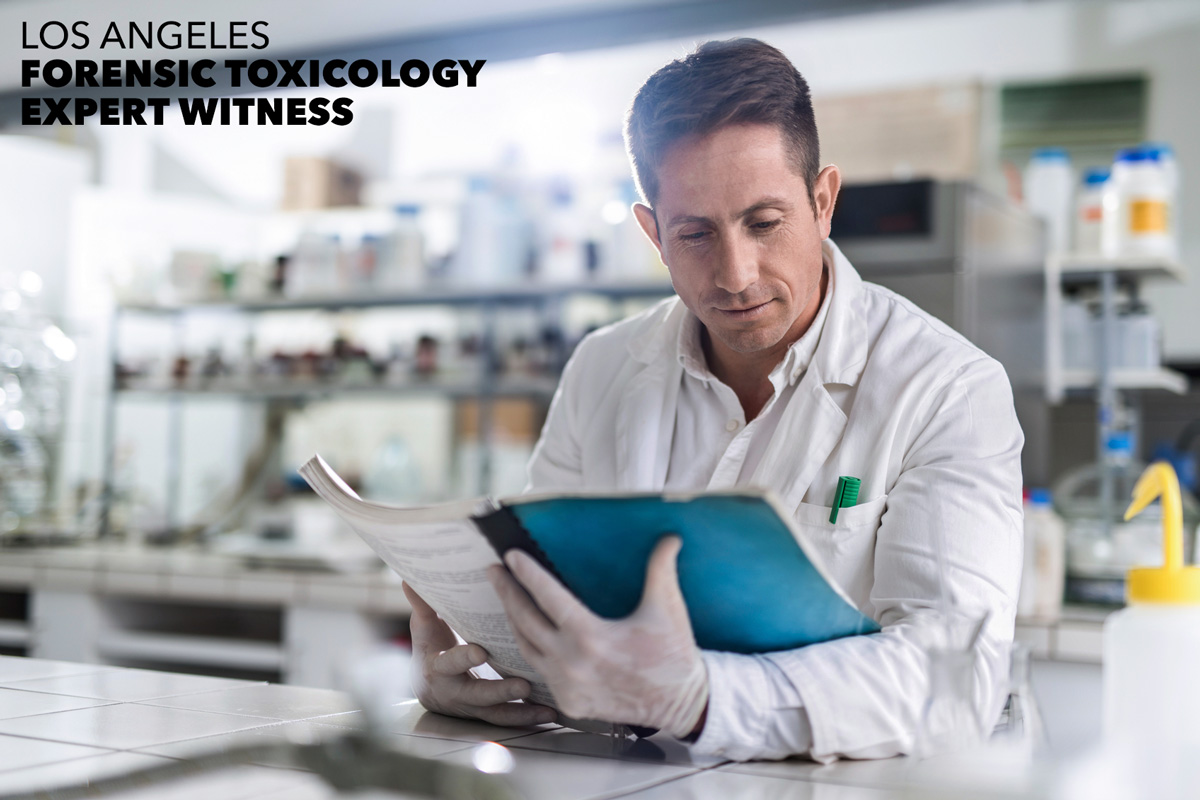
Ordinary drug tests will not detect designer drugs in urine of blood samples, and neither will workplace drug testing kits. Specialised forensic testing, using mass spectrometry methods, is required to assay synthetic drug compounds in the blood or urine. Mass spectrometry methods analyse substances for their chemical composition by sorting their constituents according to their mass to charge ratio. Clearly, this process requires advanced laboratory equipment and skilled professionals who know what they are looking for when analysing samples. Forensic toxicologists are gradually building up a database of toxicological analysis for designer drugs, but there is still much work to be done. Chemicals such as Alpha-PVP and Ethylone have so far proven to be the chief culprits in designer drug concoctions, so they will be among the chief compounds which forensic toxicologists are looking for.
Expert Experience
If you’re considering testing your employees for synthetic drugs, or are involved in a case which will require your forensic lawyer to identify a designer drug, you need to be sure that you are consulting a specialist who understands the complexities of the task. Detecting synthetically produced drugs requires technical expertise and sound analytical methods. Working with an appropriately qualified forensic expert will make a great difference to your chances of being successful in the case.
The content of this article is provided by Connectica, LLC and has not been reviewed by a toxicology expert witness.