What is Forensic Toxicology?
Forensic Toxicology – What it is and How it Works
What is forensic toxicology?
It is the study of the toxic effects that chemicals can have on the body as well as understanding how different toxins within substances act, when it can occur and the various symptoms and treatments for poisoning.
What does a forensic toxicologist do?
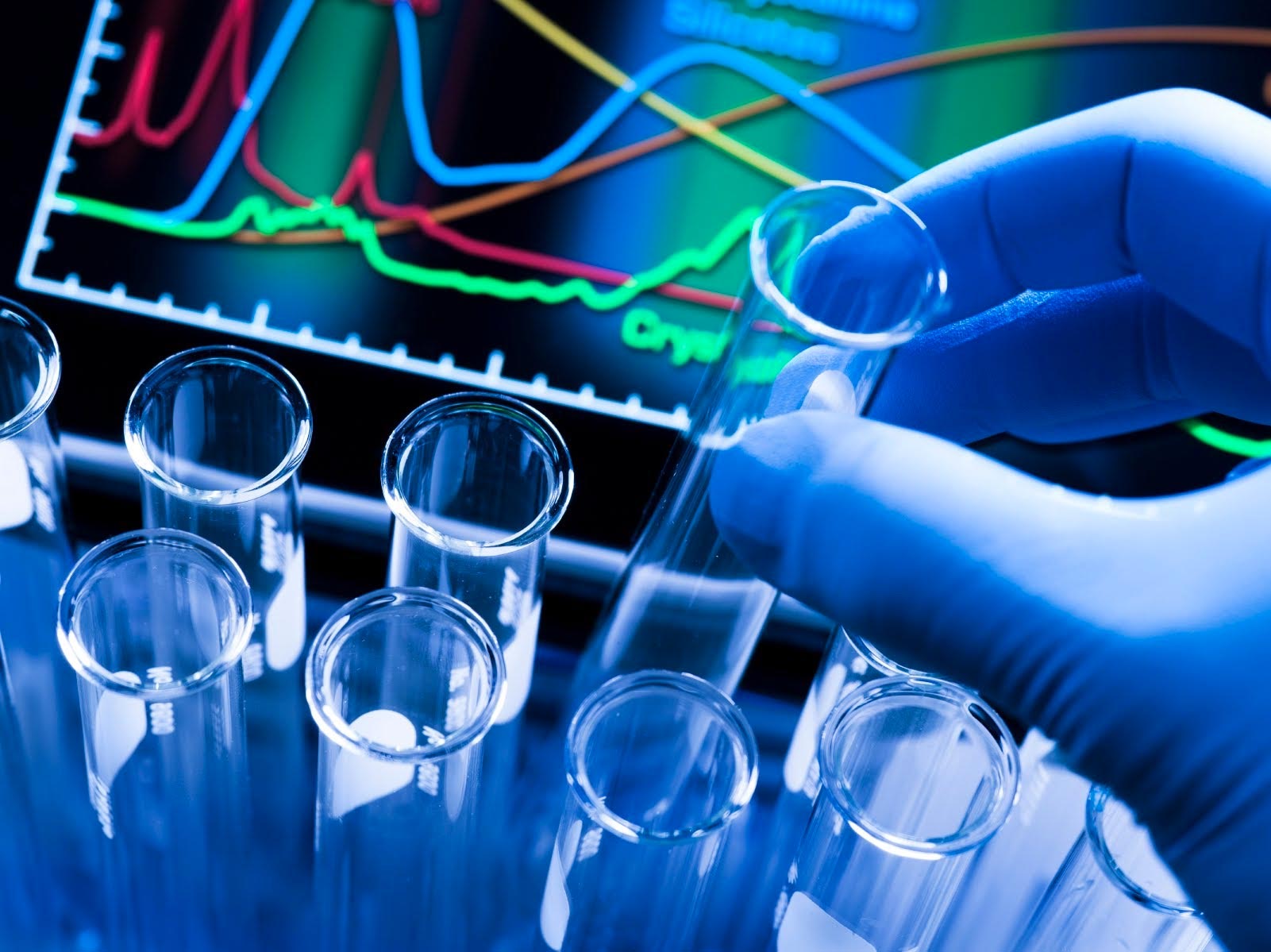
He or she performs technical tests on samples of tissue and bodily fluids, to aid investigators in determining whether or not any drugs, chemicals or poisons are present in the body. They must ensure that they take the context of the particular crime into question – this includes physical symptoms, evidence at the scene of the crime (trace residue, pills, powders, chemicals etc.). Using the correct information ensures that the forensic toxicology report will be uncompromised and the toxicologist in question will not overlook even the most minute of details. He or she will need to analyze any substances present, the levels of concentration and the effect that the toxins in question could have had on the person. Remember, the work at hand requires persistence, logical thinking and the ability to perform well under pressure and to work in a clear concise manner that ensures that the chain of evidence isn’t broken or contaminated. Each step taken must be carefully documented to ensure the reliability of the results.
How can a forensic toxicologist help you?
He or she is able to work in both the medical and legal field, as they can provide important information pertaining to the toxins found. This can be used either to help find the criminal or prove whether a defendant in a court case is or is not culpable. As an expert in the field of toxicology, they can offer their services as an expert witness in a court of law. Forensic toxicology can even be applied in the work place environment as these professionals can perform drug and alcohol testing for employers and traffic enforcement officials. They can also test for date rape drugs in the blood or urine samples of victims at hospitals or police stations and on the sports field for substances that enhance the performance of professional athletes.
How do forensic toxicologists detect and classify drugs?
This is done using a variety of methods, which is dependent on the type of drug the toxicologist in question expects to find. For legal purposes a forensic toxicologist must reconfirm his or her findings.
Forensic toxicology will separate and classify any substances that may have been a contributing factor to the crime that could include but is not limited to:
- Alcohol
- Prohibited or treatment drugs
- Chemical Alternatives
- Poisons
- Metals
- Poisonous gases
Some of the tests used to identify the type of toxin used could include but are not limited to:
- Gas-liquid chromatography
- Immunoassay
- Thin-layer chromatography
Generally, a forensic toxicologist will need to have an accredited degree in chemistry, pharmacology or another related scientific field. Forensic toxicologists will also need to keep up with the advancing technology of modern times as well as remain knowledgeable about new chemical or drug related formulas that are constantly changing.
If you are in need of the professional services of a forensic toxicologist, give us a call today.