Forensic Toxicology Blog
Evidence-based articles about toxicology, expert testimony, legal developments, alcohol, drugs, and forensic testing.
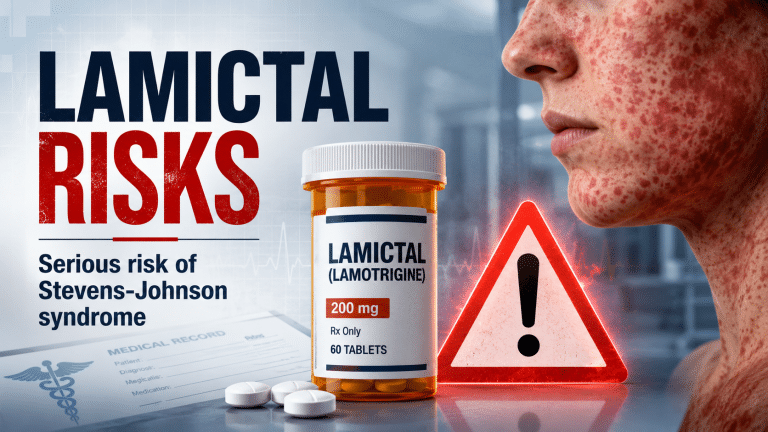
Lamotrigine and Stevens-Johnson Syndrome: Warning Signs
Short answer: Lamotrigine (Lamictal) can cause rare, life-threatening skin reactions, including Stevens-Johnson syndrome and toxic epidermal necrolysis. Because a harmless rash cannot always be distinguished early from a serious one, a new rash requires prompt medical advice. Reviewed and updated July 24, 2026. What the boxed warning says The FDA-approved…
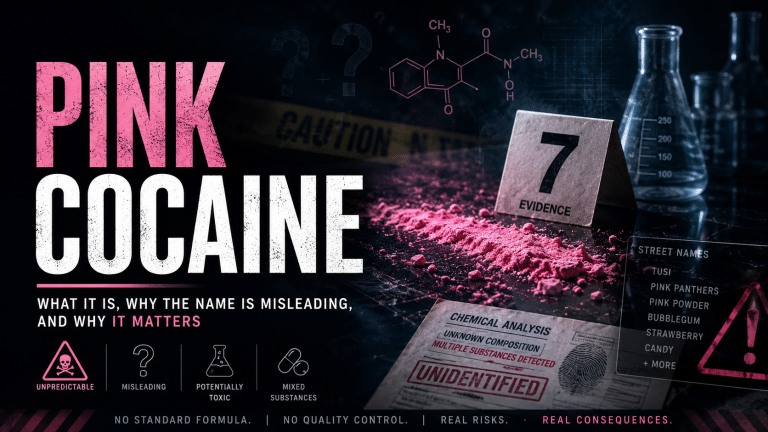
Pink Cocaine (Tusi): What It Contains and Why It Is Risky
Short answer: “Pink cocaine,” often called tusi or tucibi, is not a standardized drug. It is usually a dyed mixture of other substances and often contains neither cocaine nor 2C-B. The greatest danger is that the ingredients and strength can change from batch to batch. Reviewed and updated July 24,…
Ninth Circuit Open-Carry Decisions: What They Mean
A Ninth Circuit panel struck down the urban open-carry ban in January. The full court has since voted to rehear the case and vacated that opinion. The ban remains in force for now.
California’s Age-Appropriate Design Code Act Decision
On its second look at the Age-Appropriate Design Code, the Ninth Circuit put the age-estimation rule back in play while keeping the data-use and “dark patterns” provisions frozen for vagueness. A compliance map for services likely accessed by minors.
Federal Immigration Enforcement and the Supremacy Clause
The Ninth Circuit paused California’s “No Vigilantes Act,” ruling the state likely cannot force non-uniformed federal agents to display identification. Here is what the order does, and what it leaves undecided.
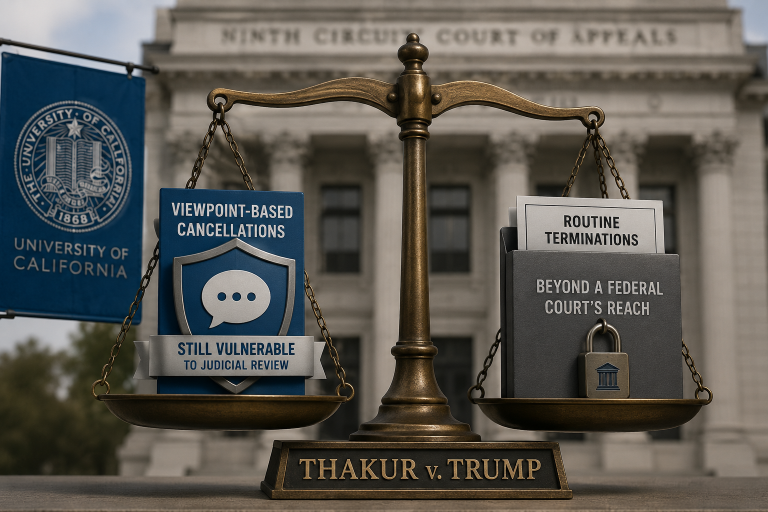
Research-Funding Litigation and the Trump Administration
In Thakur v. Trump , the Ninth Circuit split the difference for University of California researchers: viewpoint-based cancellations stay vulnerable, while routine terminations may sit beyond a federal court’s reach.

People v. Houston: When a Phone Call Is Not Enough
People v. Houston, the interrogation room, and the distance between a phone call and a car ride.
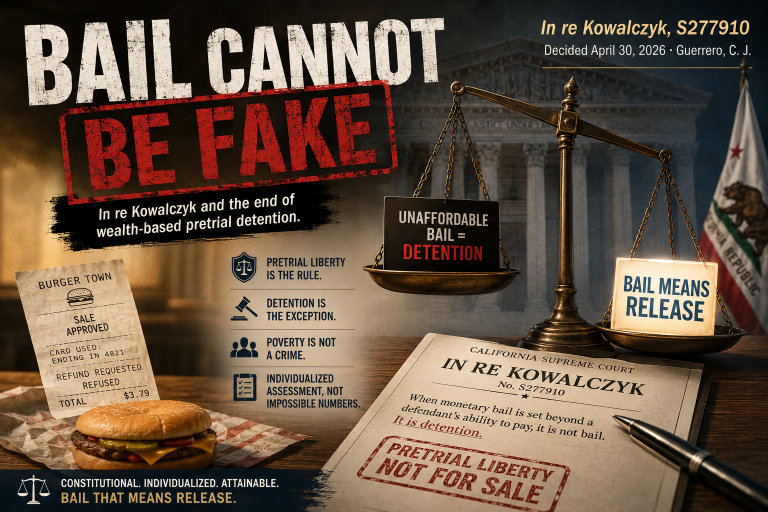
California Bail Conditions: What Courts Require
In re Kowalczyk and the end of wealth-based pretrial detention.

Drug Recognition Expert (DRE) Program Analysis
Anatomy of a forensic illusion: why the “Drug Recognition Expert” evaluation looks like science, and why its own validation studies prove almost nothing.
Kosecki 2023 Blood-Fermentation Study: Limits and Evidence
A 2023 paper is increasingly cited to shut down “fermentation” defenses in DUI cases. Read closely, it answers a question no one was asking — and the literature it cites cuts the other way.

Anabolic-Androgenic Steroids: Effects, Risks and Testing
Pharmacokinetics, detection science, clinical profile, and litigation use for attorneys, judges, and forensic professionals

What the Largest U.S. Government Drugged-Driving Study Found
When prosecutors, the press, or a juror’s intuition tell you that “drugs cause crashes,” there is one study they should be made to confront: the 2015 NHTSA case-control study by Richard Compton and Amy Berning, Drug and Alcohol Crash Risk (DOT HS 812 117). It remains the largest, most carefully…